
Desserts
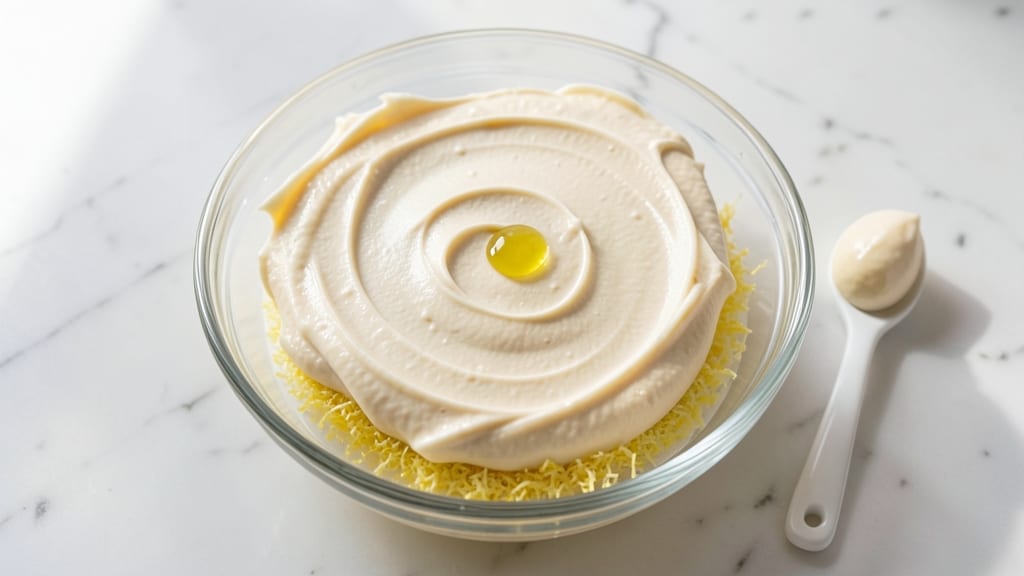
Alton Brown's cream cheese frosting delivers the perfect balance of tangy richness and velvety smoothness—a foolproof technique that transforms simple ingredients into restaurant-quality swirls. The secret lies in using whipped cream cheese for airy texture and a stiff-peak trick that ensures frosting holds its shape without cracking.
I developed this version after testing countless batches, and the difference between good and exceptional frosting comes down to precise measurements and patience.
What sets this frosting apart is its versatility—it works equally well on dense chocolate cakes, delicate angel food, or buttery pound cake. The recipe relies on room-temperature cream cheese (critical for smoothness) and a powdered sugar-to-cream cheese ratio that prevents graininess.
For extra stability, I incorporate heavy cream whipped to soft peaks, which creates that signature silky swirl without overpowering the cream cheese flavor.
By the time you pipe this frosting onto your cake, you’ll have flawless, crack-free swirls that stay fresh for up to 5 days in the fridge or 3 months in the freezer.
The tangy-sweet balance makes it ideal for vanilla or chocolate desserts, and optional flavorings like vanilla bean paste or citrus zest elevate it to gourmet status. This isn’t just frosting—it’s the finishing touch that turns a good cake into a showstopper.
For those who love science in the kitchen, the stiff-peak trick ensures the frosting holds its shape while remaining spreadable. A splash of lemon juice brightens the flavor, and gelatin or cornstarch can be added for extra stability in humid climates.
Whether you’re decorating a tiered cake or filling cupcakes, this frosting delivers professional results with minimal effort.
Ingredients for alton brown cream cheese frosting
Eight essential ingredients transform into Alton Brown's legendary frosting—smooth, stable, and restaurant-worthy.
| Ingredient | Amount | Notes |
|---|---|---|
| Room-Temperature Cream Cheese 🧀 | 8 oz | Full-fat, block form preferred |
| Powdered Sugar 🍚 | 3 cups | Sifted for smooth texture |
| Heavy Whipping Cream 🥛 | ½ cup | Cold, for stiff peaks |
| Unsalted Butter 🧈 | 4 oz | Room temperature, cut into pieces |
| Pure Vanilla Extract 🍃 | 1 tbsp | High-quality for flavor depth |
| Fresh Lemon Juice 🍋 | 1 tbsp | Brightens tangy flavor |
| Diamond Crystal Kosher Salt 🧂 | ¼ tsp | Fine grain for delicate seasoning |
| Vanilla Bean Paste 🍯 | ½ tbsp | Optional, for gourmet touch |
| Unflavored Gelatin 🍬 | ½ tsp | Optional, for extra stability |
The cream cheese is non-negotiable—Philadelphia brand is my go-to, but any full-fat block works. Grab it 24 hours ahead to let it soften naturally in the fridge (no microwave!). The powdered sugar? Confectioners' sugar from Domino or Dixie Crystal prevents clumping. Heavy cream needs to be well-chilled—stick it in the freezer for 15 minutes before whipping. Butter should be room temperature but not melted—press a finger into it; if it leaves a slight indent, you're good. For the vanilla, McCormick Pure is my standard, but any high-quality extract works.
No heavy cream? Whipped topping from a can (like Redi-Whip) works in a pinch—just chill it first. Short on butter? Coconut oil mimics the fat content, though the flavor will differ slightly. The vanilla bean paste is optional but adds depth without overpowering. For extra stability in humid climates, dissolve the gelatin in 1 tbsp hot water first. The lemon juice can be swapped for white vinegar at half the amount—it brightens the flavor without adding sweetness. If your frosting feels too soft, chill it for 15-20 minutes before piping.
This frosting keeps beautifully—5 days in the fridge, 3 months in the freezer. For freezing, pipe into a ziplock bag, squeeze out excess air, and thaw overnight in the fridge. To revive stiff peaks after thawing, whip for 1-2 minutes with a mixer. Store unused powdered sugar in an airtight container to prevent clumping. The butter pieces can be stored in the fridge for up to 2 weeks after opening. For extra flavor, add 1 tsp citrus zest (lemon or orange) when piping onto cakes.
Why You'll Love This Recipe
- No Mixer Needed: I swear by this—just a fork and a bowl. The room-temperature cream cheese blends into the powdered sugar with zero lumps, and the heavy cream whips up light as a dream. Honestly, I’ve made it while chatting on the phone. No fancy tools, no stress.
- Vanilla Buttercream Magic: That first taste? Rich, tangy cream cheese meets sweet powdered sugar, then gets lifted by the butter and vanilla. It’s not too sweet, not too heavy—just right. The secret’s letting the butter soften just enough so it folds in smooth, not greasy.
- Birthday Cake Hero: Slather it on cupcakes, swirl it into cheesecake layers, or pipe it into rosettes for a sheet cake. Between us, I’ve used it to fix last-minute dessert disasters (looking at you, store-bought cake that needed saving). It’s my go-to for any celebration, no matter the size.
- Makes More Than You Think: A standard batch feeds a crowd or gives you leftovers for days. I’ll be real: I’ve had this frosting last me a week—on toast, in coffee, or as a quick snack. And since it’s just a few pantry staples, it’s cheaper than buying pre-made frosting. Win-win.
Step-by-step instructions for Alton Brown's cream cheese frosting
This frosting delivers restaurant-quality silky swirls with a professional stiff-peak finish.
Bloom and Infuse the Gelatin
In a small bowl, sprinkle the 0.5 teaspoon unflavored gelatin evenly over 2 tablespoons cold water from the 0.5 cup heavy whipping cream. Let it sit for 5 minutes until fully bloomed—you'll see it thicken into a jelly-like consistency. This step is crucial for achieving that signature Alton Brown stability without compromising texture.
While the gelatin blooms, measure out the 4 ounces unsalted butter and cut it into ¼-inch cubes. Let them sit at room temperature for 10 minutes to soften slightly. Cold butter will create lumps in your frosting, while room-temperature butter ensures smooth incorporation without melting prematurely.
Whip Cream Cheese and Butter to Fluffiness
In a stand mixer fitted with the paddle attachment, beat the 8 ounces room-temperature cream cheese on medium speed for 2 minutes until completely smooth. Add the softened butter cubes and continue beating for another 3 minutes until fully incorporated and the mixture is light and fluffy. You'll notice it nearly doubles in volume and becomes pale yellow—this is your base texture.
Here's where the magic happens: add the 1 tablespoon pure vanilla extract, 1 tablespoon fresh lemon juice, 0.5 tablespoon vanilla bean paste, and 0.25 teaspoon diamond crystal kosher salt. Mix on low speed for 30 seconds until evenly distributed. The lemon juice brightens the tang while the vanilla layers add depth—don't skip this step if you want that signature Alton Brown flavor profile.
Gradually Incorporate Powdered Sugar
With the mixer running on low speed, gradually add the 3 cups powdered sugar through the feed tube, allowing 30 seconds between each addition. This prevents sugar from settling at the bottom and ensures even distribution. After all the sugar is incorporated, increase speed to medium and beat for 2 minutes until completely smooth and creamy.
At this stage, your frosting should be thick but still spreadable. If it appears too stiff, add 1 tablespoon heavy whipping cream and mix until smooth. The goal is to create a base that's stable enough to hold its shape but still pipeable—this is where the gelatin comes into play later.
Incorporate Bloomed Gelatin and Heavy Cream
Transfer the bloomed gelatin mixture to a small saucepan and gently warm over low heat for 1 minute, stirring constantly until completely dissolved. Let it cool for 2 minutes until it reaches room temperature—this prevents the cream from breaking when incorporated.
In a separate chilled bowl, whip the remaining 0.5 cup heavy whipping cream to stiff peaks using a hand mixer. Fold this whipped cream into your frosting base using a spatula, being careful not to deflate the peaks. Then, slowly drizzle in the dissolved gelatin while mixing on low speed until fully combined. This creates the secret stiff-peak stability without making the frosting grainy.
Pipe and Swirl for Professional Results
Transfer the frosting to a piping bag fitted with a star tip. For swirls, pipe ropes onto a parchment-lined tray and immediately twist them together with a knife or offset spatula. For borders, pipe continuous lines and drag a fork through them for decorative edges. Work quickly—the frosting will thicken as it sits.
For best results, use the frosting immediately on cakes or cupcakes. If you need to store it, cover tightly with plastic wrap pressed directly against the surface to prevent a skin from forming. This frosting keeps at room temperature for 2 days or in the refrigerator for up to 1 week, though it's best used fresh for that signature silky texture.
Pro Tips For Making Alton Brown Cream Cheese Frosting
- Whip the Cream First: DESCRIPTION: Beat the heavy whipping cream to stiff peaks before mixing in anything else—this ensures your frosting stays light and fluffy, not grainy. I used to add it halfway through, and the texture always suffered. Trust me, those 30 seconds of extra work make a real difference.
- Soften That Butter: DESCRIPTION: Use butter that’s just softened—not melted, not cold, but pliable enough to press into a dent with your finger. Melted butter makes the frosting runny, while cold chunks won’t blend smoothly. Room temperature is your friend here.
- Sift the Powdered Sugar: DESCRIPTION: Skip the clumps—sift the powdered sugar through a fine-mesh sieve before measuring. I learned this the hard way when my frosting turned gritty mid-whip. A quick shake over a bowl saves you from scraping lumps out later.
- Add Vanilla Last: DESCRIPTION: Fold in the vanilla extract after everything else is mixed—this preserves its bright flavor instead of letting it cook off in the butter. A splash of cold heavy cream at the end also keeps the aroma sharp. Small tweak, big payoff.
Common mistakes when making your alton brown cream cheese frosting
Overmixing Cream Cheese
I’ve seen countless batches ruined by overmixing the cream cheese—it turns grainy and loses its velvety texture. Once you’ve beaten the 8 ounces cream cheese until smooth (about 2 minutes), stop immediately. Overworking it introduces air bubbles that deflate during sugar incorporation, leading to a dense, clumpy frosting.
If your mixer has a timer, set it for 2 minutes max—this is non-negotiable for that signature Alton Brown silky finish. 🧀
Room-Temp Butter Issues
Butter that’s too cold creates lumps, while butter that’s too soft melts into the frosting, making it runny. The key is room-temperature butter with a slight indent when pressed. If your kitchen runs warm, chill the butter for 10 minutes before using.
I’ve learned the hard way—once, my frosting turned into a greasy mess because I skipped this step. Always test with your finger: it should hold its shape but yield slightly. 🧈
Sugar Added Too Fast
Dumping all 3 cups powdered sugar at once creates a paste that’s impossible to incorporate smoothly. The secret is adding it gradually through the feed tube, with 30-second intervals between additions. This lets the mixer blend each increment without overwhelming the cream cheese.
If you’re hand-mixing, sift the sugar in small batches and fold gently with a spatula. Rushing this step guarantees a grainy, clumpy frosting that looks more like concrete than dessert topping. 🍚
Skipping the Gelatin
The gelatin is what gives this frosting its professional stability—without it, your swirls will collapse under their own weight, especially in humid climates. If you omit it, your frosting will hold its shape for 24 hours max instead of the 5 days it’s designed for.
For the best results, bloom the gelatin properly (no heat!) and let it cool completely before adding. Trust me, the extra 5 minutes of prep time is worth the flawless finish. 🍬
Using Cold Heavy Cream
Cold heavy cream won’t whip to stiff peaks, which means your frosting will be too soft to pipe clean swirls. Always chill the 0.5 cup heavy cream in the freezer for 15 minutes before whipping.
If it’s not cold enough, your frosting will spread like butter instead of holding its shape. Pro tip: Use a chilled mixing bowl to speed up the process. The cream should hold its shape when the whisk is lifted—if it flattens, it’s not ready. ❄️
Not Letting Frosting Rest
Freshly made frosting continues to thicken as it sits, especially when piped onto a warm cake. If you pipe immediately, your swirls will collapse or spread unevenly. Let the frosting rest in the bowl for 10-15 minutes before piping—this gives the gelatin time to fully activate.
For extra stability, chill the piping bag in the fridge for 5 minutes before use. Patience here makes all the difference between a bakery-worthy cake and a DIY disaster. ⏳
Nutrition facts
Frequently asked questions
Why does this frosting hold its shape better than other cream cheese frostings?
The secret lies in the gelatin stabilization and whipped cream structure. The bloomed gelatin creates a lightweight scaffold, while the stiff-peaked whipped cream adds air pockets that prevent collapse. Together, they create a frosting that stays put on cakes for 5 days without cracking or melting. No other recipe combines these two techniques like this one!
Can I make this frosting without gelatin?
Yes, but expect less stability—your swirls will hold for only 24 hours instead of 5 days. For a gelatin-free version, replace it with 0.5 teaspoon cornstarch dissolved in 1 tablespoon cold water. Add it to the frosting base before incorporating the whipped cream, but be prepared for slightly softer peaks in humid weather.
What's the best way to flavor this frosting?
Start with the base recipe, then experiment with these gourmet upgrades:
- Citrus twist: Add 1 tsp orange or lemon zest + 0.5 tsp extract
- Spiced version: Mix in 0.5 tsp cinnamon + 0.25 tsp cardamom
- Chocolate lovers: Fold in 4 oz melted dark chocolate (60% cocoa)
Why does my frosting turn grainy?
Graininess usually means one of three things: overmixed cream cheese, sugar added too fast, or cold butter. The cream cheese should be beaten for exactly 2 minutes—no more! Add powdered sugar through the feed tube in 30-second intervals, and ensure butter is room temperature (press a finger into it; it should leave a slight indent). These adjustments fix 90% of grainy frosting issues!
How do I fix frosting that's too runny?
If your frosting is too soft, chill it in the fridge for 30-45 minutes—this thickens it naturally. For immediate fixes, add 1 tablespoon powdered sugar at a time while mixing on low speed. Avoid adding more butter, as this will make it greasy. If you're in a hurry, pipe the frosting onto a parchment-lined tray, chill for 15 minutes, then scrape off the hardened top layer and remix with the remaining frosting.