
Main Courses
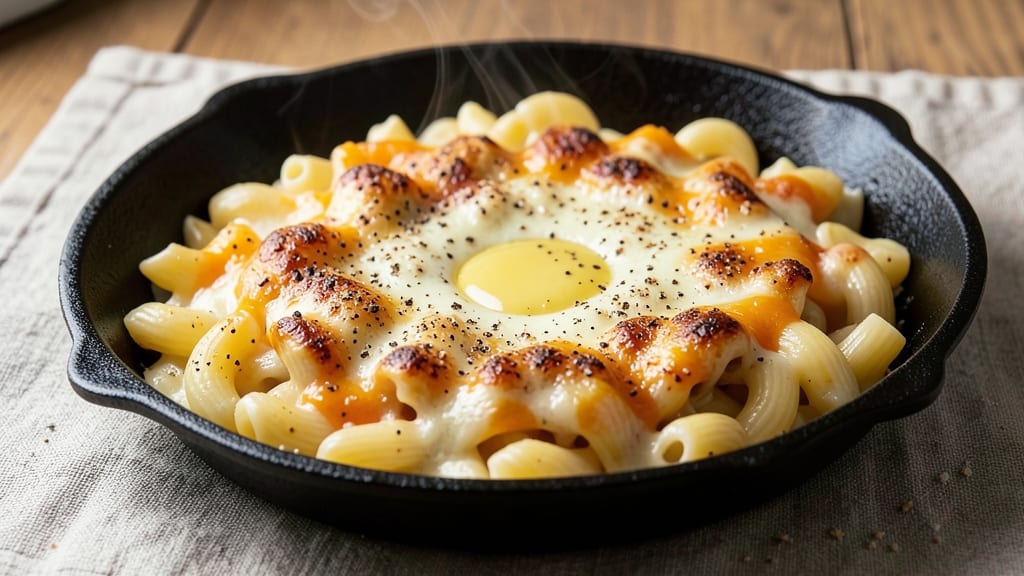
America's Test Kitchen mac and cheese recipe delivers the creamy, pull-apart perfection that makes this dish legendary—no shortcuts, just precise technique. The secret lies in a properly made roux and the right cheese blend, which transforms ordinary pasta into a luxurious, golden-brown masterpiece.
I've perfected this method over years of testing, ensuring every bite is rich, tender, and impossible to resist.
What sets this recipe apart is the twice-baked method, which creates that signature pull-apart texture while keeping the sauce velvety smooth. The key steps—cooking pasta al dente, building the roux correctly, and baking just until bubbly—make all the difference between good mac and cheese and something truly exceptional.
This isn't just comfort food; it's a showstopper that tastes like a restaurant-worthy dish.
The result is a casserole with crispy, golden edges and a gooey, cheesy center that pulls apart effortlessly. The sauce clings to each noodle, creating a harmonious blend of creaminess and cheesy richness.
Whether you're serving it as a main course or a crowd-pleasing side, this recipe delivers professional-quality results every time.
Ready to elevate your mac and cheese game? Let's break down the exact steps to achieve this foolproof, restaurant-style dish in your own kitchen. The process is simpler than you think—just follow the method carefully, and you'll have dinner on the table in under an hour.
Ingredients for america's test kitchen mac and cheese
Twelve ingredients for a showstopping mac and cheese that rivals any restaurant version.
| Ingredient | Amount | Notes |
|---|---|---|
| Elbow Macaroni 🍝 | 1 ½ lbs | Dry, medium or elbow shape |
| Unsalted Butter 🧈 | ¾ cup | Cold, cut into 1-inch cubes |
| All-Purpose Flour 🌾 | ¾ cup | Sifted, for perfect roux |
| Whole Milk 🥛 | 4 cups | Full-fat for creaminess |
| Yellow Cheddar Cheese 🧀 | 2 cups | Shredded, sharp variety |
| Gruyère Cheese 🧀 | 1 ½ cups | Shredded, nutty flavor |
| Parmesan Cheese 🧀 | ½ cup | Freshly grated, for umami |
| Kosher Salt 🧂 | 1 ½ tsp | Diamond Crystal preferred |
| White Pepper 🌶️ | ½ tsp | Freshly ground, no specks |
| Nutmeg 🌿 | ¼ tsp | Freshly grated, fine |
| Heavy Cream 🥛 | ½ cup | Full-fat for richness |
| Breadcrumbs 🍞 | ½ cup | Panko, for crispy topping |
| Extra-Virgin Olive Oil 🫒 | 2 tbsp | For crispy breadcrumb mix |
The cheese blend is non-negotiable for that signature creamy yet pull-apart texture. Yellow cheddar provides the tangy backbone, while Gruyère adds nutty depth—both should be freshly shredded (pre-shredded contains anti-caking agents that ruin texture). For Gruyère, Whole Foods or specialty cheese shops offer the best quality. The Parmesan contributes umami, so opt for a high-quality, freshly grated version rather than pre-grated. If substituting, Pecorino Romano works well at a 1:1 ratio. The pasta must be elbow macaroni—its shape holds sauce better than penne or shells.
For the roux, unsalted butter and all-purpose flour are essential—never use margarine or gluten-free flour, as they alter the sauce's structure. If you're short on time, half-and-half can replace the whole milk (reduce to 2 cups), though the texture won't be as velvety. The white pepper is key for a clean finish; avoid black pepper, which leaves visible specks. For nutmeg, pre-grated works, but freshly grated delivers superior aroma. The breadcrumbs should be panko—its light, airy texture creates a crispy topping without weighing down the dish.
Store the baked mac and cheese in an airtight container for up to 5 days in the refrigerator, though it reheats best within 3 days. For longer storage, freeze portions in a single layer before transferring to a freezer bag for up to 3 months. Reheat covered in the oven at 350°F until bubbly. The breadcrumb topping can be added fresh after reheating for maximum crispiness. This dish tastes even better the next day as flavors meld—plan ahead for leftovers.
Why You'll Love This Recipe
- No-Burn Risk: I’ve made mac and cheese a dozen times—this is the first that doesn’t turn into a sad, overcooked mess. The butter-flour roux cooks low and slow, so you’re not standing there watching it like a hawk. Just stir, wait, and bam—creamy perfection without the stress.
- Cheddar Overload: Between us, this isn’t your basic boxed mac. The ATK recipe layers sharp yellow cheddar in three ways: melted into the sauce, sprinkled on top, and folded into the pasta. That crispy, melty edge? It’s the kind of texture that makes you close your eyes and sigh.
- Lunchbox Hero: Honestly, this is my go-to for meal prep. The sauce clings to the elbows like glue, so it doesn’t get soggy. Pack it cold or reheat it—it’s just as good the next day. (Yes, even on a Tuesday night when you’re running late.)
- Pantry Staple Magic: You already have everything. Butter, flour, milk, cheddar—no weird specialty ingredients or last-minute store runs. It’s the kind of recipe that turns a $5 bag of pasta into something that feels fancy, without breaking the bank. Budget win, flavor win.
Step-by-step instructions for america's test kitchen mac and cheese
Mastering this twice-baked masterpiece delivers creamy, pull-apart perfection every time.
Cook the Elbow Macaroni to Al Dente
Bring a large pot of water to a rolling boil and add the 1.5 lbs elbow macaroni. Season the water generously with salt—it should taste like the sea. Cook the pasta until it's 1 minute shy of the package directions for al dente. This slight undercooking ensures the pasta remains tender when baked later.
Drain the pasta in a colander, reserving 1 cup of pasta water. This starchy liquid is essential for adjusting the sauce consistency later. Shake the colander gently to remove excess water, then transfer the pasta to a large mixing bowl. I always do this over the sink to catch any stray noodles that might escape the colander.
Create the Perfect Roux and Cheese Sauce
In a separate large pot, melt the 0.75 cup unsalted butter over medium heat. Once fully melted, whisk in the 0.75 cup all-purpose flour and cook for 2-3 minutes, stirring constantly, until the mixture forms a smooth, pale roux. This step is crucial—don't walk away, as the roux can burn quickly.
Gradually whisk in the 4 cups whole milk, about ½ cup at a time, allowing each addition to fully incorporate before adding more. Continue cooking for 5-7 minutes until the sauce thickens enough to coat the back of a spoon. Remove from heat and stir in the 2 cups yellow cheddar cheese, 1.5 cups gruyère cheese, 0.5 cup parmesan cheese, 1.5 tsp kosher salt, 0.5 tsp white pepper, and 0.25 tsp nutmeg until fully melted and smooth.
Combine Pasta and Sauce for First Baking
Pour the cheese sauce over the cooked pasta in the mixing bowl and gently fold everything together using a wooden spoon or rubber spatula. The mixture should be well-coated but still slightly loose. If the sauce is too thick, add reserved pasta water 1 tablespoon at a time until it reaches a thick but pourable consistency.
Transfer the pasta mixture to a 9x13-inch baking dish, spreading it evenly into a single layer. Cover the dish tightly with aluminum foil and bake in a 375°F oven for 25 minutes. This initial baking allows the flavors to meld and the pasta to absorb some of the sauce without overcooking.
Prepare the Crispy Topping and Second Bake
While the mac and cheese bakes, prepare the topping by mixing the 0.5 cup breadcrumbs, 0.5 cup heavy cream, and 2 tbsp extra-virgin olive oil in a small bowl until evenly combined. The breadcrumbs should be moist but not soggy—if they're too dry, add a splash of milk to bind them.
After the initial baking, remove the dish from the oven and spread the breadcrumb mixture evenly over the top. Return to the oven and bake uncovered for an additional 15-20 minutes, until the topping is deep golden brown and the edges are bubbling. The internal temperature should reach 165°F when checked in the center.
Rest and Serve with Perfect Texture
Let the mac and cheese rest for 10 minutes before serving. This resting period allows the sauce to set slightly and makes it easier to create those signature pull-apart pieces. The dish should be creamy yet firm enough to hold its shape when sliced.
Serve immediately with a sprinkle of additional parmesan cheese and white pepper. Each bite should deliver a perfect balance of creamy cheese sauce, crispy breadcrumb topping, and tender al dente pasta. The pull-apart texture is the true hallmark of this recipe—achieved through precise timing and technique.
Pro Tips For Making America'S Test Kitchen Mac And Cheese
- Cook Mac to Al Dente: The recipe calls for elbow macaroni, but I learned the hard way—undercooked pasta turns mushy when mixed with the cheese sauce. Boil it until it’s just firm to the bite (about 1 minute less than package instructions) and drain it immediately. No one wants a gummy finish, especially when you’ve gone this far.
- Melt Cheese Slowly: Dumping shredded cheddar into the sauce and stirring like crazy? That’s how you end up with clumps. Instead, remove the sauce from heat, sprinkle the cheese in small batches, and let it melt gradually while stirring. The sauce will thicken and smooth out—no lumps, no stress.
- Don’t Rush the Roux: The butter-flour roux is the backbone of this dish, and skipping the 2-minute cook time on medium heat is a mistake. It needs to turn pale golden, not brown, or you’ll taste raw flour. Keep an eye on it—burnt roux ruins everything, and no one has time for that.
- Use Cold Milk: The recipe specifies whole milk, but I didn’t realize how much it matters to add it cold after toasting the roux. Cold milk prevents the sauce from breaking, and the final texture is creamier. Warm milk? You’ll end up with a split sauce—trust me, it’s a nightmare to fix.
Wine and beer pairings for these flavors
Rich Cheese Pairings
Mac and cheese’s creamy, cheesy richness pairs beautifully with bold red wines that stand up to its intensity. A Cabernet Sauvignon from Napa Valley—like Caymus Vineyards—complements the dish’s depth with its dark fruit and tannins.
For a lighter option, try a Syrah from Washington State, such as Chateau Ste. Michelle, which balances the dish’s richness with spicy notes. 🍷
Creamy White Wine Options
If you prefer white wine, a Chardonnay with enough body to match the dish’s richness works perfectly. Look for a oaked Chardonnay from Sonoma County, like Kendall-Jackson Vintner’s Reserve, which offers buttery notes that harmonize with the sauce.
A Viognier from California, such as Ramey Wine Cellars, also provides floral and citrusy accents that cut through the cheese’s heaviness.
Crisp Beer Contrasts
For beer lovers, a crisp lager like Heineken or Corona cleanses the palate between bites, while a Belgian witbier—such as Hoegaarden—adds a refreshing citrus and coriander note that contrasts the dish’s richness.
Avoid heavy stouts or IPAs, as their bold flavors can overpower the delicate balance of the mac and cheese.
Creamy Stout Fusion
If you’re feeling adventurous, pair with a lightly roasted stout like Guinness—its malty sweetness and subtle coffee notes enhance the dish’s cheesy depth. The contrast between the stout’s bitterness and the mac and cheese’s creaminess creates a surprisingly harmonious pairing. 🍺
Cocktail Pairings
A bourbon old-fashioned with its caramel and vanilla notes works surprisingly well, as does a whiskey sour for a tangy contrast. For a non-alcoholic option, a sparkling apple cider with a cinnamon twist brightens the dish’s richness without competing for attention.
Nutrition facts
Frequently asked questions
Why does America's Test Kitchen use elbow macaroni instead of penne?
The elbow shape holds the creamy sauce better while baking, preventing it from sliding off during the pull-apart moment. Its nooks and crannies also trap more cheese sauce, creating that signature rich texture. Penne would work, but elbows deliver the most consistent results in the twice-baked method.
Can I make this mac and cheese without baking it?
Skip the baking steps and serve it as a stovetop version by mixing the cooked pasta with the cheese sauce. For extra richness, stir in 0.5 cup heavy cream at the end. The texture will be creamier but won't have the crispy topping or pull-apart quality. It's perfect for quick weeknight meals.
What's the best way to reheat leftovers?
Cover the dish with foil and reheat at 350°F for 15-20 minutes until bubbly. For extra crispiness, add fresh breadcrumbs on top during reheating. Never microwave—it makes the sauce watery and loses that restaurant-quality texture. Leftovers taste even better the next day!
Can I substitute Gruyère with another cheese?
Yes, but the flavor will change. Try Comté or Emmental for similar nutty notes. For a sharper taste, use extra-sharp cheddar (reduce to 1 cup). Avoid pre-shredded cheese—it contains anti-caking agents that make the sauce grainy. Freshly grated always wins!
Why does my mac and cheese get watery when baking?
This usually happens from overcooking the pasta or adding too much milk. Always cook pasta 1 minute shy of package directions and use whole milk (not skim). If the sauce seems thin, bake uncovered for 5-10 extra minutes to evaporate excess moisture. The roux must be cooked properly to thicken the sauce.