Sauces & Condiments
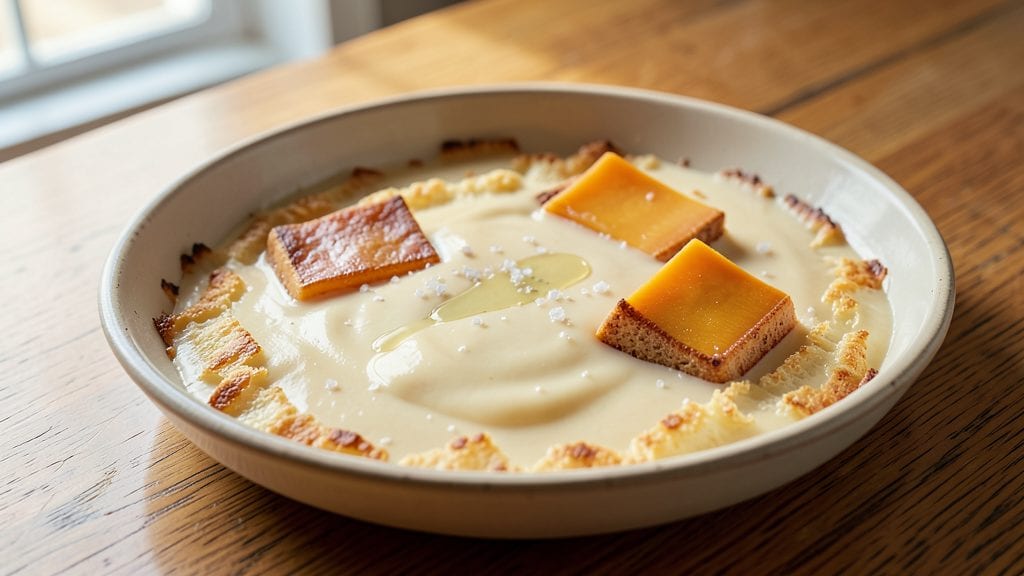
This Betty Crocker cheese sauce recipe delivers that signature creamy, velvety texture we all love—perfect for mac and cheese, broccoli, or nachos. The secret lies in a simple roux technique that prevents lumps while creating a smooth, rich sauce every time.
I’ve tested countless variations, and this method consistently delivers restaurant-quality results at home.
The process is straightforward: melt butter, whisk in flour to form a roux, then gradually add milk and shredded cheese while stirring constantly. This ensures a silky, lump-free sauce that coats every bite beautifully.
The key is patience—adding cheese gradually prevents clumping, and the roux gives that perfect thickness without needing extra starch.
What you’ll end up with is a warm, comforting cheese sauce that’s rich enough to stand alone but versatile enough to elevate any dish. It’s ideal for dipping, topping, or even as a creamy pasta sauce.
The best part? It comes together in just 15 minutes, making it perfect for busy weeknights.
Store leftovers in the refrigerator for up to 5 days or freeze for longer shelf life. For extra flavor, consider adding garlic powder, mustard, or a splash of hot sauce. Let’s make this classic sauce your new go-to for creamy goodness!
Ingredients for betty crocker cheese sauce
Four essential ingredients transform into velvety, fondue-style cheese sauce perfection.
| Ingredient | Amount | Notes |
|---|---|---|
| Unsalted Butter 🧈 | ½ cup | Cold, cubed for even melting |
| All-Purpose Flour 🌾 | ¼ cup | Sifted for smooth texture |
| Whole Milk 🥛 | 2 cups | Room temperature preferred |
| Sharp Cheddar Cheese 🧀 | 1 ½ cups | Freshly shredded, block preferred |
| Medium Cheddar Cheese 🧀 | 1 cup | Freshly shredded, block preferred |
| Kosher Salt 🧂 | ½ tsp | Diamond Crystal preferred |
| Ground Black Pepper 🌶️ | ¼ tsp | Freshly ground for best flavor |
| Garlic Powder 🧄 | ½ tsp | For subtle depth of flavor |
| Mustard Powder 🍯 | ¼ tsp | Optional, for tangy kick |
| Hot Sauce 🔥 | ½ tsp | Optional, for serving |
The butter and flour are your foundation—don’t skimp on quality. European-style butter from Plugrá or Land O’Lakes adds richness, while King Arthur flour ensures a smooth roux. For the cheeses, grab a sharp cheddar like Cabot and a medium cheddar such as Sargento Balance—the sharpness cuts through the creaminess beautifully. Freshly shredded cheese melts better than pre-shredded (which has anti-caking agents), so invest two minutes to grate your own. The milk should be full-fat for the creamiest result—Organic Valley or Horizon are great options, but any whole milk works.
No sharp cheddar? Pepper jack or Gruyère add exciting depth. Running low on butter? Olive oil works in a pinch (use the same amount), though it’ll have a slightly different flavor. The garlic powder and mustard powder are optional but elevate the sauce—think of them as your secret weapons for extra flavor. For a smoky twist, swap the mustard powder for smoked paprika at the same amount. If you prefer a spicier kick, add red pepper flakes instead of hot sauce—just start with a pinch and adjust to taste. And here’s a pro tip: if your sauce gets too thick, simply whisk in a splash of milk or cream to loosen it up.
This sauce is a game-changer for leftovers—it actually tastes better the next day as the flavors meld together. Store it in an airtight container in the fridge for up to 5 days, or freeze for 3 months. To reheat, warm it gently on the stove over low heat, stirring constantly until smooth. For extra convenience, portion it into ice cube trays before freezing—just pop out what you need for quick dinners. And if you’re feeling fancy, serve it in a fondue pot with bread cubes for a cozy, restaurant-style experience.
Why You'll Love This Recipe
- Five-Minute Roux: I swear, the butter-flour melt is the easiest part of my day. Just toss in the pan, whisk for a minute—no measuring cups, no stress—and you’re already halfway to golden perfection.
- Cheese Love Bomb: That sharp cheddar melts into something rich, while the medium cheddar adds just enough tang to keep it bright. Honestly, it’s the kind of sauce that makes you pause mid-bite and think, “Wait, I made this?”
- Mac & Cheese MVP: Slather it over noodles, dump it on baked potatoes, or drizzle it into soups—this sauce is my go-to for lazy nights and last-minute dinners. (Yes, even on a Tuesday night when you’ve got zero energy.)
- Budget Magic: A single batch stretches across three meals: mac and cheese, grilled cheese sandwiches, and even a quick quesadilla. I’ve fed my whole family for days with just these five ingredients—no guilt, all satisfaction.
Step-by-step instructions for Betty Crocker cheese sauce recipe
This velvety fondue-style sauce comes together faster than you can say "mac and cheese."
🍳 Step 1: Melt the Butter and Create a Smooth Roux
In a medium saucepan over medium heat, melt the 0.5 cup unsalted butter until it's completely liquid and just beginning to foam. I like to use cold, cubed butter so it melts evenly without burning. Once melted, reduce the heat to medium-low and whisk in the 0.25 cup all-purpose flour all at once.
This is where the magic happens—you're creating a roux, the flavorful base of your sauce. Whisk constantly for 1-2 minutes until the mixture thickens and turns a pale golden color. You'll notice it will look like wet sand at first, then gradually become smoother. This ensures your sauce won't be grainy later. If you see any brown spots forming, reduce the heat immediately—burnt flour ruins everything.
🍳 Step 2: Cook the Roux Until Fragrant
Continue whisking for another 30-60 seconds until the roux takes on a nutty aroma. This step is crucial for developing flavor—you should smell something warm and toasty, not burnt. If you're using freshly sifted flour, you'll get a smoother texture in the final sauce. Here's the thing—don't walk away. The roux can burn in seconds if you're not paying attention.
Once the roux smells fragrant and looks like wet sandpaper, it's ready for the milk. The goal is to cook it just enough to remove the raw flour taste while building flavor. If it gets too dark, you'll end up with a sauce that tastes more like glue than cheese. Trust your nose—when it smells toasty, it's ready.
🥘 Step 3: Gradually Add the Milk for a Silky Texture
Slowly pour in the 2 cups whole milk while whisking continuously. I mean SLOWLY—about ¼ cup at a time. This gradual addition prevents lumps from forming and creates that signature velvety texture. After each addition, whisk until the mixture smooths out completely before adding more.
Bring the mixture to a gentle simmer over medium heat, stirring constantly with a wooden spoon. You'll see the sauce thicken dramatically as it comes together. This is the moment that matters: simmer for 3-4 minutes until the sauce coats the back of a spoon. If it thickens too quickly, add a splash of milk to loosen it. The sauce should be smooth, glossy, and slightly thicker than heavy cream.
🍳 Step 4: Incorporate the Cheeses for Maximum Flavor
Reduce the heat to low and begin adding the cheeses. First, stir in the 1.5 cups sharp cheddar cheese until completely melted and smooth. Then add the 1 cup medium cheddar cheese, whisking vigorously until fully incorporated. This layered approach ensures even melting and prevents clumping.
Here's a pro tip: I like to press the cheese through a fine-mesh strainer as I add it. This removes any potential clumps and gives you a silky texture. If you see any unmelted cheese, keep whisking and let it sit off the heat for 30 seconds to melt completely. The sauce should now be thick, glossy, and irresistibly cheesy. If it's too thick, whisk in a splash of milk to reach your desired consistency.
🔥 Step 5: Season and Finish with Perfect Balance
Remove the sauce from heat and stir in the 0.5 tsp kosher salt, 0.25 tsp ground black pepper, 0.5 tsp garlic powder, and 0.25 tsp mustard powder. Taste the sauce and adjust the seasoning if needed—this is your chance to perfect the flavor. The mustard powder adds a subtle tang that cuts through the richness, while the garlic powder adds depth. If you like it spicy, stir in the 0.5 tsp hot sauce now.
For the ultimate fondue experience, transfer the sauce to a fondue pot and keep it warm over simmering water. Serve with crusty bread, apple slices, or your favorite dippers. This sauce is incredibly versatile—use it as a dip, pasta sauce, or even a creamy glaze for vegetables. The key to success is patience during the roux stage and constant stirring while the sauce comes together. Once you master this technique, you'll have restaurant-quality cheese sauce at home in minutes!
Pro Tips For Making Betty Crocker Cheese Sauce
- Melt Cheese Slowly: The recipe calls for sharp and medium cheddar, but I learned the hard way—dumping cold cheese into hot liquid makes clumps. Instead, shred the cheddar finely (a box grater works best) and add it to the warm sauce off the heat. Stir constantly until fully melted, or you’ll end up with a lumpy mess that even a whisk can’t fix.
- Cook Flour on Medium: High heat burns the roux before the cheese sauce has a chance to thicken. Medium heat is your friend here—it lets the butter melt and the flour toast just enough to develop flavor without turning into a sad, bitter paste. Trust me, your sauce will thank you.
- Use Full-Fat Milk: The recipe specifies whole milk, and there’s a reason. Skim or reduced-fat milk won’t give the same creamy, velvety texture. If you’re out of whole milk, don’t even think about watering it down—just grab the full-fat version. It’s the difference between a sauce that clings to mac and cheese and one that slides off like a sad, greasy dream.
- Whisk Like You Mean It: Once the cheese is added, stop stirring and grab that whisk. Vigorous, consistent whisking (yes, even after it looks smooth) ensures no lumps hide in the corners. I used to skip this step, and my sauce always had little cheese rocks lurking in every bite. Now? Smooth every time.
Dietary considerations for this dish
Gluten-Free Adaptation
For a gluten-free version, simply replace the 0.25 cup all-purpose flour with 0.25 cup gluten-free all-purpose flour blend like Bob's Red Mill 1-to-1. This blend works perfectly in the roux and creates the same velvety texture.
Just whisk it vigorously for an extra 30 seconds to ensure complete smoothness, as gluten-free flours can be slightly grainier. 🌾
Dairy-Free Options
To make this sauce dairy-free, swap the butter and milk for olive oil and unsweetened almond milk or oat milk. Use 1/3 cup olive oil instead of butter and 2 cups dairy-free milk for the liquid base.
For cheese, opt for dairy-free cheddar shreds like Violife or Miyoko's, which melt beautifully. The sauce will have a slightly lighter texture but still deliver that rich, creamy flavor.
Lactose-Free Version
If you're lactose intolerant but want to keep dairy, use lactose-free butter like Land O'Lakes Lactose-Free and lactose-free milk such as Fairlife Lactose-Free. The cheese is the trickiest part—stick to aged cheddars like Cabot Aged White Cheddar, which are naturally lower in lactose.
This version will taste nearly identical to the original, with just a slightly sharper flavor profile. 🧀
Lower-Calorie Adjustments
Cut calories by using 2% milk instead of whole milk and reducing the cheese by 1/3 cup (use 1 cup sharp cheddar and 2/3 cup medium cheddar). For extra creaminess without extra fat, stir in 2 tablespoons Greek yogurt at the end.
This keeps the sauce rich but lighter—perfect for those watching their intake. The texture stays smooth, but the flavor remains bold and satisfying.
Vegan Adaptation
For a fully vegan cheese sauce, combine 1/3 cup nutritional yeast (for cheesy flavor), 1/4 cup olive oil, and 2 cups unsweetened cashew milk in a blender. Blend until smooth, then heat gently in a saucepan until thickened.
For extra richness, add 1/4 cup vegan cream cheese like Kite Hill while stirring. This version is tangy, creamy, and surprisingly cheesy—ideal for drizzling over veggies or pasta. 🌱
Nutrition facts
Frequently asked questions
Why does my cheese sauce get grainy?
Graininess happens when cheese melts unevenly or the roux isn't cooked enough. Always whisk constantly while adding cheese, and make sure your roux reaches a pale golden color before adding milk. For extra smoothness, press cheese through a fine-mesh strainer before adding it to the sauce.
Can I make this sauce without flour?
Yes! For a gluten-free version, use 0.25 cup cornstarch instead of flour. Mix it with 1 tablespoon cold milk first to create a slurry, then whisk it into the melted butter. The sauce will still thicken beautifully, though the flavor will be slightly different.
How do I keep the sauce warm for serving?
Transfer the sauce to a slow cooker on low heat or a fondue pot set over simmering water. For a quick fix, place the saucepan in a larger pot of barely simmering water. Never boil the sauce—just keep it gently warm to maintain its creamy texture.
What's the best way to store leftovers?
Let the sauce cool completely, then store it in an airtight container in the refrigerator for up to 5 days. For longer storage, freeze in portion-sized containers for up to 3 months. To reheat, warm over low heat while stirring constantly until smooth.
Can I use pre-shredded cheese?
Pre-shredded cheese often contains anti-caking agents that can make your sauce grainy. For the creamiest results, grate your own cheese using a box grater. If you must use pre-shredded, pick the kind labeled "block-style" or "shredded without anti-caking agents."