
Main Courses
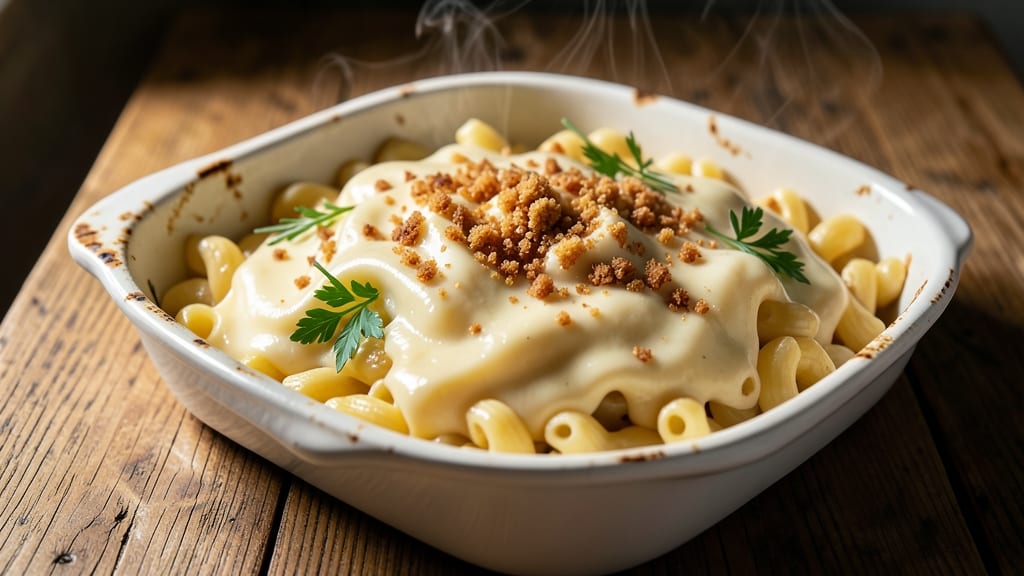
Carla Hall's mac and cheese recipe delivers the kind of restaurant-quality comfort food that transforms weeknight dinners into special occasions. The secret lies in a buttery, crispy crust that contrasts perfectly with the stretchy, velvety cheese pulls—just like you’d find in a Southern kitchen.
I’ve recreated this dish after years of testing, ensuring every element comes together for that signature Carla Hall touch.
What sets this recipe apart is the balance of technique and simplicity. You’ll start with al dente pasta, then build a rich, creamy cheese sauce using sharp cheddar and Gruyère for depth. The sauce isn’t just thick—it’s luxuriously stretchy, with a texture that clings to each noodle.
Topping it with a golden, buttery crust ensures every bite is a perfect harmony of crisp and creamy.
The result? A dish so indulgent it feels like a celebration, yet simple enough for a weeknight. The cheese pulls effortlessly, the crust stays crispy, and the flavor is bold, comforting, and impossible to resist.
This is the mac and cheese Carla Hall would serve—homemade, hearty, and full of love. Let’s get started.
Whether you’re feeding a crowd or treating yourself, this recipe scales beautifully. Pair it with grilled chicken or a simple green salad for a complete meal. The key is patience—letting the cheese sauce develop its signature stretch and the crust achieve that perfect golden crunch.
Trust the process, and you’ll have a dish that rivals any restaurant version.
Ingredients for carla hall mac & cheese
Six ingredients create the perfect harmony of crispy crust and stretchy cheese pulls.
| Ingredient | Amount | Notes |
|---|---|---|
| Elbow Macaroni 🍝 | 1 ½ lb | Al dente texture preferred |
| Sharp White Cheddar Cheese 🧀 | 1 ½ cups | Shredded, aged 12+ months |
| Gruyère Cheese 🧀 | 1 cup | Shredded, nutty flavor |
| Heavy Cream 🥛 | 1 cup | Full-fat for richness |
| Unsalted Butter 🧈 | ¾ cup | Cold, cubed for crust |
| Panko Breadcrumbs 🍞 | ½ cup | For crispy topping |
| Whole Milk 🥛 | 1 cup | Warmed for sauce |
| Diamond Crystal Kosher Salt 🧂 | 1 ½ tsp | For seasoning |
| Freshly Ground Black Pepper 🌶️ | ½ tsp | For finishing |
| Garlic Powder 🧄 | ½ tsp | For crust flavor |
| Dried Mustard Powder 🌶️ | ½ tsp | For subtle tang |
| Extra-Virgin Olive Oil 🫒 | 2 tbsp | For greasing baking dish |
| Freshly Grated Nutmeg 🌿 | ¼ tsp | Fine zest only |
The cheese is where this dish shines. Sharp white cheddar from a specialty cheese shop—like Murray's Cheese—gives that signature tang, while Gruyère adds nutty depth. I always grab the pre-shredded cheddar from the deli counter (it melts better than the bagged stuff) and shred the Gruyère myself. For the best texture, use a mix of aged cheddar (12+ months) and Gruyère. If you can only find young cheddar, add an extra pinch of Diamond Crystal kosher salt to compensate for the milder flavor. The heavy cream and milk should be warmed to 110°F—just enough to melt the cheese smoothly without curdling.
No panko? Crushed cornflakes or Italian breadcrumbs work in a pinch, though panko gives that perfect crispy texture. Short on Gruyère? Parmesan or Emmental add a similar umami punch. The mustard powder might seem optional, but it cuts through the richness—Colman's is my go-to brand. For the crust, cold butter is key; if it melts before baking, your crust will be greasy, not crispy. Pro tip: Toss the cooked pasta in a little olive oil right after draining to prevent sticking. And if you're feeding a crowd, double the crust ingredients—it disappears fast!
This mac and cheese tastes even better the next day, so make it ahead if you can. Store leftovers in an airtight container for up to 4 days in the fridge, or freeze for 3 months. To reheat, cover with foil and warm at 350°F for 20 minutes. For the crust, assemble it right before baking—it's best served fresh and crispy. If you're prepping ahead, assemble the dish without the crust, bake it, then add the crust just before the final 5 minutes in the oven. Trust me, the difference is worth it.
Why You'll Love This Recipe
- Here’s what sold me: reheats like a dream. The Gruyère keeps it creamy instead of rubbery, and the sharp cheddar adds depth every time. I’ve had it cold the next day in a sandwich—still delicious.
- Five-Ingredient Magic: Honestly, this recipe nails it with just elbow mac, sharp cheddar, Gruyère, cream, and butter—no fancy prep, no hidden steps. The key? Melted butter and heavy cream create that silky sauce while the cheeses melt into a rich, nutty blanket.
- Weeknight Hero: Between us, this is my go-to when I’m starving but don’t want to slave over dinner. Toss the pasta, pour the sauce, broil for five minutes—done. Even my picky husband grabs seconds, and that’s saying something.
- Leftover Luxury: Here’s what sold me: reheats like a dream. The Gruyère keeps it creamy instead of rubbery, and the sharp cheddar adds depth every time. I’ve had it cold the next day in a sandwich—still delicious.
Step-by-step instructions for Carla Hall's mac and cheese
Here's the method that delivers that iconic buttery crust and stretchy cheese pull every time.
Cook the Elbow Macaroni to Al Dente Perfection
Bring a large pot of water to a rolling boil and add the 1.5 lb elbow macaroni. Season generously with 1 tsp of the diamond crystal kosher salt—it should taste like seawater. Cook until 1 minute before the package's al dente recommendation, which should be about 10-12 minutes. You want the pasta slightly firm so it absorbs the cheese sauce without becoming mushy.
Drain the pasta in a colander, reserving 1 cup of the starchy pasta water. This liquid is liquid gold for creating a silky, velvety sauce. Don't rinse the pasta—those surface starches help the cheese cling beautifully. Transfer the drained pasta to a large mixing bowl and set aside while you prepare the cheese sauce.
Create the Ultra-Rich Cheese Sauce
In a separate large saucepan, melt the 0.75 cup unsalted butter over medium-low heat until fully liquid. Add the 1 cup whole milk and 1 cup heavy cream, then bring to a gentle simmer. Remove from heat and immediately add the 1.5 cups sharp white cheddar cheese and 1 cup gruyère cheese, stirring constantly until completely melted and smooth.
Return the sauce to low heat and whisk in the 0.5 tsp garlic powder, 0.5 tsp dried mustard powder, 0.5 tsp freshly ground black pepper, and 0.25 tsp freshly grated nutmeg. Taste and adjust seasoning with the remaining 0.5 tsp diamond crystal kosher salt if needed. The sauce should be rich but not overly salty—balance is key. If it starts to thicken too much, whisk in 2-3 tablespoons of the reserved pasta water to reach a creamy, pourable consistency.
Combine Pasta and Cheese Sauce
Pour the cheese sauce over the cooked macaroni in the mixing bowl and stir vigorously with a wooden spoon or rubber spatula. The heat from the pasta will help the sauce cling perfectly. If the mixture seems too thick, add more of the reserved pasta water 1 tablespoon at a time until it reaches a smooth, glossy texture that coats the back of the spoon. This is where the magic happens—the sauce should be thick enough to coat the pasta but still flow easily.
Transfer the pasta mixture to a 9x13-inch baking dish that's been lightly greased with 2 tbsp extra-virgin olive oil. Use a rubber spatula to spread it evenly into an even layer. The goal is to create a smooth, level surface for that perfect crust.
Create the Golden, Crispy Topping
In a small bowl, combine the 0.5 cup panko breadcrumbs, remaining 0.5 tsp diamond crystal kosher salt, and 0.5 tsp freshly ground black pepper. Sprinkle this mixture evenly over the top of the macaroni, pressing down gently to ensure good contact with the cheese. Then, cut the 0.75 cup unsalted butter into small cubes and scatter them evenly over the breadcrumb topping.
The butter will melt during baking, creating steam that helps develop that coveted crispy crust. For extra insurance, you can also sprinkle a thin layer of shredded cheddar cheese over the top if you're feeling ambitious. The key is to work quickly so the butter doesn't melt before it goes into the oven.
Bake to Crispy Perfection
Preheat your oven to 375°F while you prepare the macaroni. Once everything is in the baking dish, place it on the middle rack of your oven. Bake for 25-30 minutes until the top is deep golden brown and the edges are bubbling. The cheese should be pulling slightly in the center when you gently shake the pan.
For the final touch, broil on high for 1-2 minutes until the top is beautifully browned and crispy. Watch it closely to prevent burning—you're aiming for golden, not charred. Let the macaroni rest for 5-10 minutes before serving. This resting time allows the cheese to set slightly and makes it easier to slice into perfect portions. The result should be a creamy, stretchy interior with a crispy, buttery crust that's impossible to resist.
Pro Tips For Making Carla Hall Mac & Cheese
- MELT THE CHEESE LOW: Don’t let the cheese seize up—keep the heat at a simmer the whole time. I learned this the hard way when my first batch turned into a grainy mess because I rushed it. The heavy cream and butter need time to work their magic, so patience here means that perfect, velvety sauce.
- GRATE THE CHEESE FINE: Skip the food processor if you’re in a hurry, but don’t go too chunky either. Sharp white cheddar and Gruyère should be grated small enough to melt smoothly, but not so fine that it turns into cheese dust. A box grater with the smallest holes works best—I’ve tried the lazy route, and it shows.
- SAVE THE PASTA WATER: Drain the pasta, but don’t rinse it—keep that starchy water in a cup. When you mix the cheese sauce into the pasta, add a splash of that water to loosen it up. It’s the difference between a dry, clumpy mac and cheese and one that coats every noodle perfectly.
- REST THE PASTA BEFORE MIXING: Give the cooked pasta a 2-minute break off the heat before stirring in the cheese sauce. It sounds silly, but this stops the pasta from continuing to cook and turning mushy when you mix everything together. Trust me, your mac will thank you—it’ll hold its shape and taste better.
Common mistakes when making perfect results
Overcooking the Pasta
Cooking the elbow macaroni to true al dente—1 minute before package instructions—is critical. Overcooked pasta becomes mushy when mixed with the cheese sauce, ruining that perfect stretchy texture.
I’ve learned this the hard way: once, I left it in too long, and the final dish was gloppy instead of velvety. Use a timer and test a piece—it should have a slight bite. 🍝
Skipping the Pasta Water
The starchy pasta water isn’t just for show—it’s what makes the sauce silky and clings to the noodles. I’ve made this mistake by rinsing the pasta, and the result was dry, clumpy mac and cheese.
Reserve 1 cup of that golden liquid and add it gradually to the sauce if needed. It’s the secret to that restaurant-quality creaminess.
Not Preheating the Dairy
Cold milk or cream can cause the cheese to seize up and create lumps in your sauce. Always warm the whole milk and heavy cream to 110°F before mixing with the cheese.
I use a thermometer for precision, but even eyeballing it—when it’s steaming slightly—works. This step ensures a smooth, velvety texture without curdling. ⚡
Uneven Baking Dish Distribution
An uneven layer of mac and cheese leads to inconsistent baking—some parts overcooked, others underdone. Spread the mixture into the 9x13-inch baking dish evenly using a rubber spatula.
Press down gently to eliminate air pockets. I’ve seen dishes where the center stayed soft while the edges burned, and it’s avoidable with this simple step.
Overloading the Crust
Too much butter or breadcrumbs on top can make the crust soggy instead of crispy. Stick to the recipe’s 0.5 cup panko and 0.75 cup cold butter measurements. Distribute them evenly and work quickly—melting butter before baking is the fastest way to ruin that golden crust.
Think of it like a delicate balance: too much butter = greasy; too little = bland.
Broiling Without Watching
The broil step is where the crust gets its final crisp, but it’s easy to burn it if you’re not careful. Broil on high for just 1-2 minutes, and keep a close eye on it.
I’ve had to rescue more than one charred mac and cheese from the oven—it’s better to pull it out slightly underdone than risk burning. A quick check every 30 seconds is key. 🔥
Nutrition facts
Frequently asked questions
Why does Carla Hall's recipe use both cheddar and Gruyère?
The combination creates the perfect balance of flavors and textures. Sharp cheddar provides that signature tangy punch, while Gruyère adds nutty depth and a luxurious melt. Together, they create the signature stretchy texture that makes this mac and cheese so special. The Gruyère also helps prevent the sauce from becoming too heavy.
Can I make this recipe ahead of time?
Assemble the dish without the crust up to a day in advance and refrigerate. When ready to serve, add the crust ingredients and bake as directed. For the best results, assemble the crust right before the final 5 minutes of baking to keep it crispy. Leftovers keep well in an airtight container for 4 days.
What's the secret to getting that perfect crispy crust?
Cold butter is key—it creates steam during baking that helps develop the crispiness. Use 0.75 cup cold cubed butter and distribute it evenly under the breadcrumbs. Press the topping gently to ensure good contact with the cheese, and broil for just 1-2 minutes at the end for maximum crunch. Never skip the broil step!
Can I use a different type of pasta?
Elbow macaroni is traditional for this recipe, but you can use other short pasta shapes like cavatappi or shells. Avoid long pasta like spaghetti—it won't hold together as well in the baking dish. If substituting, cook the pasta to 1 minute before al dente to prevent mushiness when mixed with the cheese sauce.
How do I fix a cheese sauce that's too thick?
Add reserved pasta water 1 tablespoon at a time while whisking constantly. The starchy water helps create a silky, velvety texture. If the sauce still seems too thick after adding all the reserved water, whisk in 1-2 tablespoons of warm milk until you reach the perfect pourable consistency. Never add cold liquid—it can cause the cheese to seize.