
Sauces & Condiments
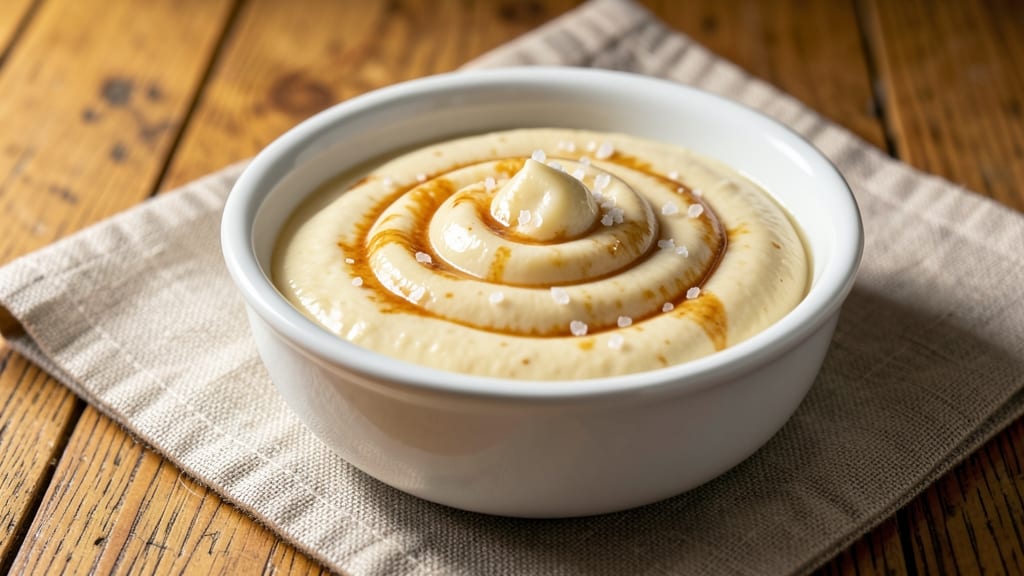
This copycat Arby’s cheese sauce recipe brings that same ultra-smooth, ultra-creamy magic home, making every bite of your roast beef sandwich just as addictive. The secret lies in a precise balance of sharp cheddar, rich cream, and careful cooking to eliminate any graininess.
I've tested countless variations, and this method consistently delivers the restaurant-quality sauce you crave.
The foundation of this sauce is a simple roux—equal parts butter and flour—that creates a stable base for melting the cheese without curdling. We use sharp cheddar for that signature tangy depth, while heavy cream ensures the sauce remains velvety smooth.
The slow simmering process is critical; it allows the cheese to fully emulsify into a luscious, silky consistency that coats every spoonful.
What you'll end up with is a copycat cheese sauce so rich and creamy it'll fool even the most loyal Arby's fans. It's perfect for drizzling over roast beef sandwiches, dipping fries, or even mac and cheese.
The sauce stays smooth and velvety even when reheated, making it ideal for meal prep or serving at parties.
This recipe requires just five simple ingredients and takes less than 20 minutes to prepare, with no special equipment needed. Whether you're a fan of their classic roast beef or just love that signature sauce, this version delivers the same restaurant-quality flavor at home. Let's get started!
Ingredients for copycat arby's cheese sauce
Five ingredients, one perfect sauce. That's all you need for Arby's-level cheesy magic at home.
| Ingredient | Amount | Notes |
|---|---|---|
| Unsalted Butter 🧈 | ½ cup | Cold, cubed for roux |
| All-Purpose Flour 🌾 | ½ cup | White flour preferred |
| Sharp White Cheddar Cheese 🧀 | 2 cups | Shredded, block preferred |
| Heavy Cream 🥛 | 1 cup | Full-fat for richness |
| Diamond Crystal Kosher Salt 🧂 | ¼ tsp | Adjust to taste |
The butter and flour start this sauce right—equal parts make that perfect roux foundation. Cold butter is key; it prevents the flour from cooking too fast and turning grainy. I grab Land O'Lakes unsalted butter from the store because it's consistent, but any good brand works. For the flour, Bob's Red Mill all-purpose is my go-to, but honestly, whatever's in your pantry will do. The cheddar? Sharp white cheddar from a block—pre-shredded has anti-caking agents that ruin the texture. Look for Cabot or Tillamook at the grocery store; they're reliable and affordable.
No sharp cheddar? Medium cheddar plus a pinch of white vinegar mimics that tang. Running low on heavy cream? Half-and-half plus 1 tbsp butter keeps it rich. The salt is non-negotiable—Diamond Crystal is my standard because it dissolves perfectly, but any kosher salt works. Pro tip: Warm your heavy cream slightly before adding it to the cheese; this helps emulsify everything smoothly. And if you're wondering why we're not using milk? Trust me, heavy cream is the secret to that signature Arby's texture.
This sauce reheats like a dream—just pop it in a saucepan over medium-low heat and stir until smooth. Keeps for 5 days in the fridge, sealed tightly in a jar. For longer storage, freeze it in 2-tablespoon portions—perfect for sandwich drizzles. I always make double batches; it disappears fast for roast beef sandwiches or fries. The sauce thickens as it cools, so thin with a splash of warm milk if needed.
Why You'll Love This Recipe
- Pantry Magic: I swear by this recipe because it uses things I already have—no special trips to the store. Butter, flour, cheddar, cream—just melt them together, and boom, that signature Arby’s richness without the drive-thru wait.
- Creamy Obsession: The moment that sharp white cheddar melts into the heavy cream? Pure satisfaction. It’s not just sauce—it’s that velvety, salty-sweet hug you crave on a roast beef sandwich or straight from a spoon.
- Game for Any Meal: Slather it on fries for a late-night snack, use it to glaze chicken tenders, or drizzle it over mac and cheese. Honestly, I’ve even put it in baked potatoes just because. This sauce plays well with everything.
- Leftovers That Don’t Suck: Unlike most homemade sauces that turn grainy or separate, this one reheats like a dream. Store it in the fridge for up to five days—perfect for lazy mornings or when you’re prepping for the week ahead.
Instructions for copycat Arby's cheese sauce recipe
This ultra-smooth cheddar sauce delivers that iconic Arby's flavor in just minutes—no shortcuts, no substitutions.
Create a Perfect Roux for Thickening
In a medium saucepan over medium heat, melt the 0.5 cup unsalted butter completely, allowing it to foam but not brown. Once fully melted, immediately whisk in the 0.5 cup all-purpose flour all at once. This creates a roux—the foundation of our sauce.
Cook the roux for 1-2 minutes, whisking constantly, until it turns a pale golden color and smells nutty. You'll see it thicken noticeably—this is your signal to move quickly to the next step. If it darkens too much, you'll taste bitterness in your sauce. The key here is patience and consistent stirring.
Gradually Add Cheese for Maximum Smoothness
Reduce the heat to low-medium and begin adding the 2 cups sharp white cheddar cheese in small batches. I like to add about ¼ cup at a time, whisking vigorously between additions until each portion melts completely before adding more. This gradual approach prevents clumping and ensures a silky texture.
The cheese should melt into the roux smoothly, creating a thick, glossy paste. If you see any lumps, press them through a fine-mesh sieve or whisk them out with a fork. This is where the magic happens—the cheese's natural fat and acidity marry with the roux to create that signature Arby's richness. Don't rush this step; proper melting takes about 3-4 minutes total.
Incorporate Heavy Cream for Velvety Texture
Once all the cheese is fully melted, slowly pour in the 1 cup heavy cream while whisking continuously. The sauce will begin to thin out noticeably as the cream incorporates. Keep whisking for 2-3 minutes until the sauce reaches a smooth, pourable consistency—it should coat the back of a spoon without being gluey.
Here's the thing—if you add the cream too quickly, you risk creating a curdled mess. Go slow, and maintain that gentle heat. The sauce should bubble softly but not vigorously. Taste at this point and adjust the 0.25 teaspoon diamond crystal kosher salt if needed—Arby's sauce has a subtle saltiness that balances the cheddar perfectly.
Simmer for Maximum Flavor Development
Continue simmering the sauce over low heat for 4-5 minutes, stirring occasionally, until it thickens slightly and becomes glossy. You're looking for a sauce that coats the back of a spoon but still moves easily. If it gets too thick, whisk in 1 tablespoon water at a time until you reach the ideal consistency.
The final test is the "drip test": spoon a little sauce onto a cold plate. It should drip slowly in a thick stream rather than puddle. This indicates proper thickness. Remove from heat immediately—overcooking can make the sauce separate. The sauce should be hot but not boiling when you serve it, as it will continue to thicken slightly as it cools.
Serve Immediately for Best Results
Transfer the cheese sauce to a clean saucepan or serving dish and keep it warm over low heat if not using immediately. This sauce is best served fresh, straight from the heat, where it maintains its signature velvety texture. The moment it starts to thicken too much, whisk in a splash of warm milk or water to restore its smooth consistency.
For that authentic Arby's experience, serve it over fries, drizzled over roast beef sandwiches, or as a dip for mozzarella sticks. The sauce should be rich, slightly tangy, and have that unmistakable cheddar depth that makes this copycat version so successful. Store leftovers in an airtight container in the refrigerator for up to 5 days, reheating gently over low heat with a splash of water to prevent separation.
Pro Tips For Making Copycat Arby'S Cheese Sauce
- Whisk Like You Mean It: The second you add the heavy cream, stop stirring and whisk vigorously for 30 seconds—this chills the sauce instantly and prevents lumps. I learned this the hard way after ending up with a gluey mess from lazy stirring.
- Grate Cheese Fresh: Pre-shredded cheddar has anti-caking agents that make the sauce grainy. Use a box grater or food processor for sharp, fine shreds—no need to go crazy, just enough to melt smoothly into the cream.
- Salt the Butter First: Toss in a pinch of kosher salt with the butter before melting—it dissolves completely and balances the flavor better than adding it later. Trust me, your sauce will taste more cohesive.
- Keep Heat Medium-Low: Once the roux is golden, drop the heat to medium-low and walk away for 2 minutes. Too much heat now will scorch the cheese flavor before the cream even hits the pan. Patience here makes all the difference.
Essential equipment for this dish
Basic Saucepan Setup
You only need one medium saucepan—I recommend a 3-quart stainless steel pan like the All-Clad Stainless for even heat distribution. If you're on a budget, a Calphalon nonstick saucepan works well too.
The key is a heavy-bottomed pan to prevent hot spots that can scorch your roux. Avoid thin aluminum pans—they heat unevenly and can make your sauce grainy. 🔥
Whisk Essentials
A balloon whisk is my go-to tool for this recipe because it creates air pockets that help emulsify the sauce smoothly. I use a OXO Good Grips balloon whisk—it's durable and has a comfortable handle for stirring over heat.
If you don't have one, a regular flat whisk works in a pinch, but you'll need to whisk more vigorously to avoid lumps. The whisk should be at least 10 inches long to reach all corners of your saucepan.
Cheese Grater Matters
For the sharp white cheddar, I always shred it fresh using a microplane grater or a box grater with medium holes. Pre-shredded cheese contains anti-caking agents that make the sauce grainy.
A KitchenAid box grater is my favorite—it's sturdy and gives you consistent shreds. If you don't have one, a mandoline with a cheese attachment works too, but be careful with your fingers! 🧀
Measuring Tools
Precision is key for this sauce, so invest in a stainless steel measuring spoons set—I love the OXO Good Grips version. For the 0.5 cup butter and flour, use a liquid measuring cup with clear markings.
A digital kitchen scale is optional but helpful for the cheese—2 cups shredded cheddar should weigh about 8 ounces. If you don't have one, stick to the cup measurement and pack the cheese lightly into your measuring cup.
Optional Immersion Blender
If you want to take your sauce to the next level, an immersion blender like the Hamilton Beach Multi-Speed eliminates every last lump for a silky texture. After adding the heavy cream, blend for 10-15 seconds on low speed.
This isn't required, but it's a game-changer for that ultra-smooth Arby's consistency. Just be sure to keep the sauce on low heat while blending to prevent splattering. ⚡
Storage Containers
For leftovers, transfer the sauce to glass jars with airtight lids—I recommend Ball Mason jars in 8-ounce or 16-ounce sizes. The glass won't absorb flavors like plastic can, and the wide mouths make it easy to scoop.
For freezing, use silicone ice cube trays—portion the sauce into 2-tablespoon servings for perfect single-use amounts. Label everything with the date to keep track of freshness. 📅
Nutrition facts
Frequently asked questions
Why does my copycat cheese sauce get grainy?
Graininess usually happens when cheese melts too quickly or the heat gets too high. Always add cheese gradually in ¼ cup batches while whisking constantly over low-medium heat. If lumps appear, press them through a fine-mesh sieve or whisk vigorously with a splash of warm milk to break them down. The roux should never darken beyond pale golden—overcooking causes bitterness and texture issues.
Can I make this sauce without a whisk?
Yes, but you'll need to work harder! Use a hand mixer or immersion blender on low speed for 10-15 seconds after adding the heavy cream to eliminate lumps. If you only have a spoon, stir vigorously in small circles for 3-4 minutes per addition. The key is constant motion—never let the cheese sit unmixed. For best results, keep heat at low to prevent curdling.
How do I fix a sauce that's too thick or too thin?
For thick sauce, whisk in 1 tablespoon warm water or milk at a time until smooth. For thin sauce, simmer uncovered over medium-low heat for 2-3 minutes—it'll thicken as it cools. Never boil the sauce or it'll separate. The ideal consistency should coat the back of a spoon but still drip slowly when spooned onto a cold plate.
What's the best cheese substitute if I don't have sharp white cheddar?
Use medium cheddar plus ½ teaspoon white vinegar to mimic the tang. For a milder version, blend ½ cup sharp cheddar with 1.5 cups mild cheddar. Avoid pre-shredded cheese—its anti-caking agents cause graininess. If you're dairy-free, try nutritional yeast plus cashew cream (blend ½ cup soaked cashews + ½ cup water) for a cheesy flavor, though texture will differ.
Can I make this sauce ahead of time?
Yes! Store in an airtight glass container in the fridge for up to 5 days. For longer storage, freeze in 2-tablespoon portions (perfect for sandwiches). To reheat, warm over low heat with a splash of water or milk to restore smoothness. Never microwave directly—it causes separation. The sauce thickens as it cools, so thin with warm liquid if needed before serving.