
Appetizers
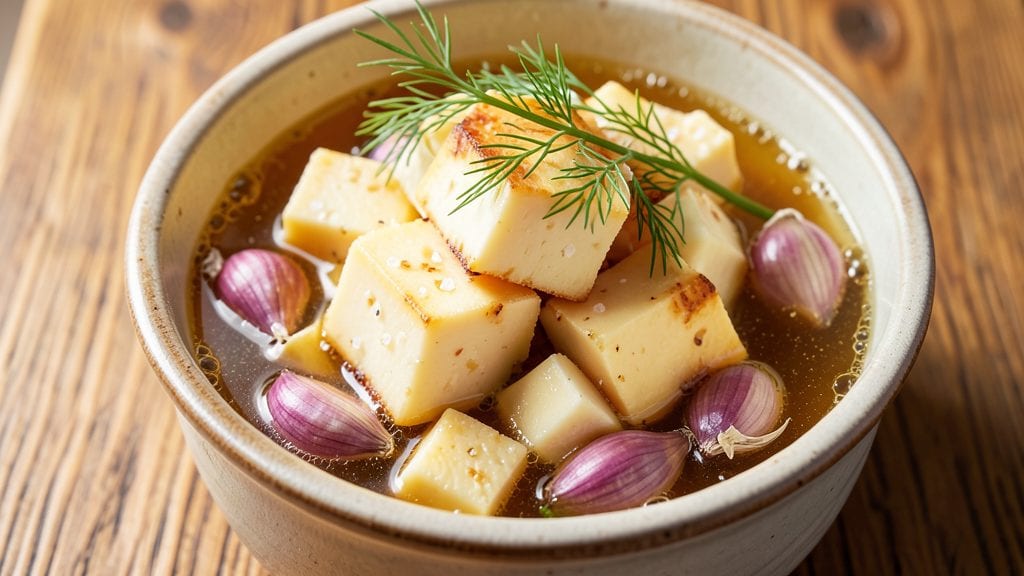
This Czech pickled cheese recipe delivers the bold, tangy flavor that makes it a beloved appetizer across Central Europe, with a crunchy texture that disappears as soon as you bite into it.
The traditional method involves fermenting sharp cheddar (or a similar hard cheese) in a brine solution with garlic, herbs, and sometimes chili for heat—creating a dish that’s both complex and deeply satisfying.
I first tasted this at a Prague pub, where it arrived with warm bread and dark lager, and it’s been my go-to recipe ever since for gatherings where I want something that feels special but doesn’t require hours of prep.
The secret to perfect Czech pickled cheese lies in the brining process—a balance of salt, vinegar, and water that transforms ordinary cheese into something vibrant and sharp.
Unlike quick pickles, this dish develops its signature fermented tang over time, typically 3 to 5 days, though the longer it sits, the deeper the flavor becomes.
The cheese itself should be firm and aged, like sharp cheddar or a similar variety, as it holds up best to the brining and fermentation without falling apart.
For an extra layer of flavor, I like to add a few cloves of garlic and a sprig of fresh dill to the brine, though traditional recipes often keep it simple with just salt, vinegar, and water.
What you’ll end up with is a crunchy, tangy cheese that’s sharp enough to cut through rich dishes but light enough to stand alone as an appetizer. The texture is what makes it unforgettable—firm on the outside, creamy within, with just enough bite to keep you reaching for another piece.
Serve it with crusty bread to soak up the briny goodness, or toss it into salads for a bold, umami kick. This recipe is perfect for holiday gatherings, game day spreads, or whenever you want to bring a taste of Czech tradition to your table.
Let’s get started on creating something that tastes like a trip to Europe.
One of the best things about this dish is its versatility—it pairs beautifully with both sweet and savory accompaniments. Try serving it alongside roasted meats, where the sharpness cuts through the richness, or with a light beer to balance the flavors.
For a modern twist, you can even blend it into a spread for open-faced sandwiches or use it as a topping for gourmet pizzas. The key is to let the cheese speak for itself, so keep the garnishes minimal and let the fermented sharpness shine.
Once you try this recipe, you’ll understand why it’s a staple in Czech cuisine—and why it deserves a place at your table.
Ingredients for czech pickled cheese
Here’s what you’ll need to create this bold, tangy Czech pickled cheese—simple ingredients that transform into something unforgettable.
| Ingredient | Amount | Notes |
|---|---|---|
| Sharp Cheddar Cheese 🧀 | 2 lb | Firm, aged, cut into 1-inch cubes |
| White Vinegar 💧 | 2 cups | Distilled white preferred |
| Water 💧 | 2 cups | Filtered or bottled |
| Diamond Crystal Kosher Salt 🧂 | ½ cup | Non-iodized preferred |
| Garlic Cloves 🧄 | 6 cloves | Smashed, not minced |
| Fresh Dill 🌿 | ¼ cup | Chopped, stems removed |
| Red Chili Flakes 🌶️ | 1 tbsp | Adjust for heat preference |
| Black Peppercorns 🌶️ | 1 tsp | Crushed lightly |
| Bay Leaves 🌿 | 2 whole | Fresh preferred |
| Lemon Peel 🍋 | 1 tbsp | Zest only, no pith |
| Pickling Spice Blend 🌶️ | 1 tbsp | Optional, for depth |
The cheese is the star, so sharp cheddar is non-negotiable—it needs to be aged and firm to handle the brining. I always grab Wisconsin sharp cheddar from the deli section at Whole Foods or Costco for the best texture. Cut it into even 1-inch cubes so they ferment uniformly. The vinegar matters too—distilled white vinegar is traditional, but apple cider vinegar adds a fruity twist if you’re feeling adventurous. For the salt, Diamond Crystal kosher dissolves better than iodized table salt, giving you a cleaner brine. Fresh dill is ideal, but if you’re using dried, reduce to 1 teaspoon—it’s way more concentrated.
No fresh dill? Dried dill or tarragon works in a pinch, but the flavor won’t be as bright. Short on vinegar? White wine or apple cider vinegar both work, though the taste will shift slightly. The garlic cloves should be smashed, not minced—they’ll infuse the cheese without turning it into a garlic soup. Red chili flakes are optional but add that signature Czech kick; skip them if you’re serving to kids or sensitive eaters. The lemon peel is a secret weapon—it brightens the whole dish and balances the tang. If you’re feeling fancy, toss in a pickling spice blend (like mustard seeds or coriander) for extra depth, but it’s not traditional.
This cheese needs 3 to 5 days to develop its signature crunch and tang—patience is key! Store it in an airtight jar in the fridge, submerged in the brine. The longer it sits, the sharper it gets, so taste it at day 3 and again at day 5 to decide when it’s perfect. It’ll keep for up to 3 months in the fridge, but the flavor peaks around 1 week. Serve it chilled with crusty bread or crackers—it’s the ultimate appetizer for game day or holiday spreads. Pro tip: Save some of the brine to drizzle over salads or roasted veggies for a tangy kick!
Why You'll Love This Recipe
- No Chopping Needed: I swear by this—just slice the cheddar into thick blocks, toss them in the brine, and walk away. That’s it. No dicing, no stressing over angles, just pure, hands-off simplicity.
- Garlicky Tang Magic: The vinegar and crushed garlic cloves work together like a dream, giving the cheese that bright, punchy flavor you can’t get anywhere else. It’s sharp but not overpowering—like a tangy, cheesy hug in your mouth.
- Party Snack Hero: Between us, this is my go-to for game day or holiday spread. Serve it cold with crackers, or let guests grab it straight from the jar. It’s fancy enough for company but zero effort—my secret weapon.
- Lasts a Week: Honestly, I make a big batch and forget about it. The cheese keeps perfectly in the fridge, so it’s always there for quick bites, sandwiches, or melting into pasta. Less waste, more cheese in my life.
Step-by-step instructions for Czech pickled cheese
Here's how to transform bold cheddar into tangy, crunchy Czech-style pickled cheese that's perfect for charcuterie boards or sandwiches.
Prepare the Cheese and Brine Base
Cut the 2 lb sharp cheddar cheese into 1-inch cubes—this size ensures even pickling and crispy edges. Arrange them in a single layer on a baking sheet and refrigerate uncovered for 1 hour. This drying step prevents the cheese from turning mushy during fermentation.
In a separate large bowl, combine the 2 cups white vinegar, 2 cups water, and 0.5 cup diamond crystal kosher salt. Stir until the salt fully dissolves—this creates your brine. The mixture should be completely clear with no graininess remaining. Taste a drop: it should be pleasantly acidic but not overpowering.
Layer Cheese with Aromatics
Place the dried cheese cubes into a clean, sterilized quart-sized mason jar (or similar airtight container). Pack them tightly but not forcefully—you want room for the brine to circulate. Add the 6 smashed garlic cloves, 0.25 cup chopped fresh dill, 1 tbsp red chili flakes, 1 tsp crushed black peppercorns, 2 whole bay leaves, 1 tbsp lemon peel, and 1 tbsp pickling spice blend. These aromatics will infuse the cheese with layers of flavor.
Pour the brine over the cheese until all cubes are completely submerged. Use a wooden spoon to gently press down the cheese if needed. The liquid should cover the cheese by at least ½ inch—this ensures proper fermentation. Seal the jar tightly and place it in a cool, dark pantry.
Ferment for Tangy Perfection
Let the cheese ferment at room temperature for 48 hours, giving it time to develop that signature tangy sharpness. After 24 hours, open the jar and check the cheese—it should smell pleasantly acidic, like a mix of vinegar and garlic. If you notice any mold or slimy texture, discard the batch immediately and start fresh with sterilized equipment.
Once the 48-hour mark is reached, transfer the jar to the refrigerator. The cold temperature slows fermentation, preserving the cheese's crisp texture and preventing over-souring. Let it chill for at least 24 hours before tasting—this resting period allows flavors to meld beautifully.
Store and Enjoy Your Crunchy Creation
The pickled cheese will keep in the refrigerator for up to 3 months, developing deeper flavor with time. Before serving, give the jar a gentle shake to redistribute the brine and aromatics. The cheese should have a crisp exterior that gives way to a tangy, slightly creamy interior—this is the hallmark of authentic Czech pickled cheese.
Slice the cheese thinly for sandwiches, cube it for charcuterie boards, or serve it alongside cured meats and crusty bread. The combination of sharp cheddar, vinegary tang, and herbal notes makes this a showstopper. For extra crunch, let the cheese sit at room temperature for 10 minutes before serving—it'll be firmer and more satisfying to bite into.
Pro Tips For Making Czech Pickled Cheese
- USE COLD CHEESE: DESCRIPTION: Grab that sharp cheddar straight from the fridge—no thawing, no warming. Cold cheese holds its shape better in the brine, so it stays in those nice, clean cubes instead of turning into a sad, mushy blob. I learned this the hard way after a batch of cheese "disappeared" into the liquid like it was trying to escape.
- SALT THE BRINE LIBERALLY: DESCRIPTION: Diamond Crystal kosher salt is less dense than table salt, so don’t eyeball it—use about 1½ cups per quart of water. Too little salt and your cheese will taste bland; too much, and it’ll turn out like a pickle left in the sun. Taste the brine before adding the cheese—it should be noticeably salty, like the ocean after a storm.
- SMASH THOSE GARLIC CLOVES: DESCRIPTION: Skip the mincing—crush those garlic cloves with the flat side of your knife first. This releases more flavor without turning the brine into a garlicky sludge. Toss them in whole so they infuse the liquid gently, but don’t skip the crushing—it’s the thing that makes the difference between "meh" and "wow."
- COVER AND WAIT: DESCRIPTION: Once the cheese is submerged, press it down with a weight (a small plate works) and let it sit at room temp for at least 24 hours—no peeking. The longer it sits, the tangier it gets, but 48 hours is the sweet spot for that perfect Czech-style bite. I know, I know, but trust the process—your patience will pay off.
Flavor customization for this dish
Spicy Kick Variations
For those who love heat, add 1 tbsp smoked paprika and ½ tsp cayenne pepper to the brine for a smoky, fiery twist. I like to use Penzeys Smoked Paprika for that authentic Czech smokiness.
If you’re feeling adventurous, swap the red chili flakes for 1 tsp hot honey after the cheese ferments—it adds a sweet-spicy contrast that’s unexpected but delicious. 🌶️
Herbal Infusions
Fresh herbs elevate this dish beyond the classic. Try adding 1 tbsp fresh thyme or 1 sprig of rosemary to the brine for an earthy depth. I’ve also experimented with 1 tsp fennel seeds for a licorice-like note that pairs beautifully with the sharp cheese.
For a brighter profile, toss in 1 tbsp fresh basil after fermentation—it cuts through the tang with a fresh, sweet finish.
Sweet and Tangy Twist
Balance the sharpness with a hint of sweetness by adding 1 tbsp honey or 1 tbsp maple syrup to the brine. The sweetness mellows the vinegar’s bite while enhancing the garlic and dill flavors.
For a modern touch, I’ve drizzled balsamic glaze over the cheese before serving—it adds a glossy, tangy-sweet layer that’s perfect for charcuterie boards.
Smoky Garlic Boost
Infuse the brine with 2 cloves of roasted garlic (blistered in olive oil until golden) for a caramelized, smoky depth. I also add ½ tsp liquid smoke (like La Boîte Smoke) for an extra layer of complexity.
This variation is a crowd-pleaser, especially when paired with grilled meats or roasted vegetables—the smoky notes tie everything together beautifully.
Citrus Zing
Brighten the cheese with 1 tbsp orange zest or 1 tbsp lemon juice in the brine. The citrus cuts through the richness of the cheese, adding a refreshing lift. For a tropical twist, add ½ tsp grated ginger—it adds a subtle warmth that complements the vinegar’s tang.
Serve this version with fresh fruit or cucumber slices for a refreshing contrast.
Cheese Swaps
While sharp cheddar is traditional, aged Gouda or Parmigiano-Reggiano work beautifully for a richer, nuttier flavor. For a vegetarian-friendly option, try extra-firm tofu cut into cubes and marinated in the same brine—it absorbs the flavors just as well and adds a unique texture.
I’ve also used feta cheese for a brinier, saltier profile that’s perfect for Mediterranean-inspired dishes.
Nutrition facts
Frequently asked questions
What cheese works best for authentic Czech-style pickled cheese?
Sharp cheddar is the traditional choice because its firm texture holds up well during brining and develops the signature crisp edges. For richer flavor, try aged Gouda or Parmigiano-Reggiano. Avoid soft cheeses like brie—they’ll turn mushy in the brine.
Can I make this recipe without vinegar?
Vinegar is essential for the tangy flavor and helps preserve the cheese. If you’re avoiding vinegar, try using white wine or lemon juice instead, but the taste will be milder. The fermentation process relies on acidity to develop the sharpness, so skip vinegar at your own risk!
How do I know when the pickled cheese is ready to eat?
The cheese should be crisp on the outside with a tangy, slightly creamy interior after 3 to 5 days of fermentation. Taste it at day 3—if it’s too mild, let it ferment another 24 hours. The longer it sits, the sharper it becomes, but it shouldn’t taste overly sour.
Why did my pickled cheese turn mushy?
Mushy cheese usually means the cubes were too small or the cheese wasn’t firm enough. Always use 1-inch cubes of aged, sharp cheese and let them dry uncovered for 1 hour before brining. Soft cheeses like cream cheese or brie won’t hold up—stick to hard varieties!
Can I reuse the brine for another batch?
Yes! The brine gets even more flavorful with each use. Strain out any solids, store it in a clean jar, and reuse it for a second batch of cheese cubes. For a third batch, you may want to refresh it with ½ cup new vinegar and ¼ cup salt to maintain acidity. The brine keeps indefinitely in the fridge.