
Sauces & Condiments
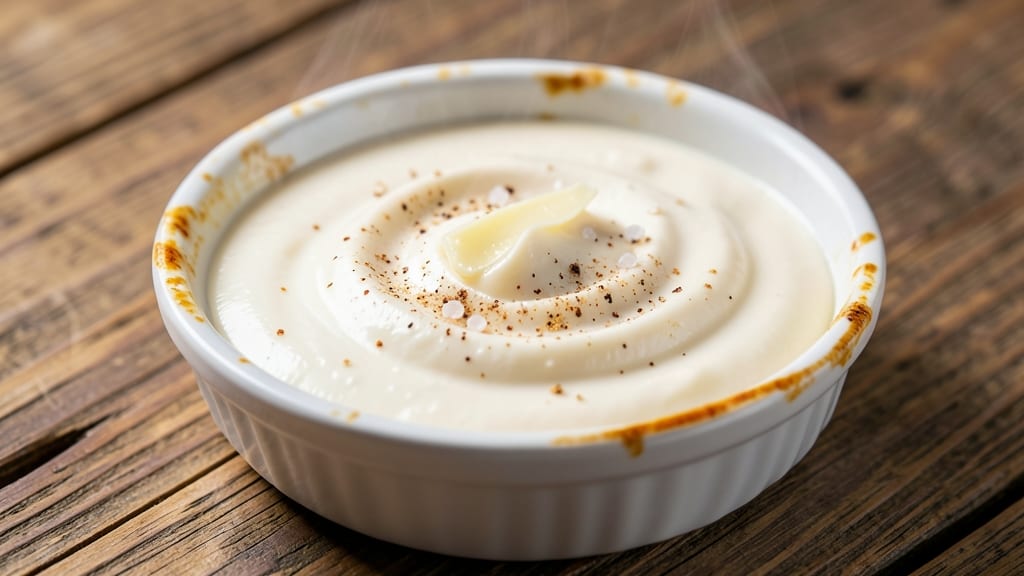
This Philadelphia cheese sauce recipe transforms ordinary dishes into restaurant-quality meals with its velvety melt and perfect stovetop thickness. This recipe delivers a rich, creamy sauce that coats every bite, whether you're dipping fries, topping nachos, or smothering mac and cheese.
The secret lies in the precise balance of cream cheese, milk, and a touch of seasoning to create that signature smooth texture.
What sets this sauce apart is its foolproof method—no lumps, no breaking, just a velvety consistency that stays creamy even after reheating. With just five simple ingredients and about 10 minutes of active time, you'll have a sauce that's smoother than store-bought and packed with flavor.
The key is patience and gentle heat, allowing the cheese to melt completely before thickening.
By the end, you'll have a batch of Philadelphia cheese sauce that's rich, velvety, and perfectly seasoned—ideal for dipping, drizzling, or as a creamy topping. The sauce holds its thickness beautifully, so you can serve it immediately or store it for later use without worrying about separation.
This is the kind of sauce that elevates simple meals into something extraordinary.
Use it on burgers, as a pizza sauce, or as a dip for veggies—this versatile sauce is a game-changer for any meal. Let's get started on creating the perfect batch that will become a staple in your kitchen.
Ingredients for philadelphia cheese sauce
Five ingredients, perfect velvety melt—this is your go-to cheese sauce for dipping, drizzling, or smothering.
| Ingredient | Amount | Notes |
|---|---|---|
| Philadelphia Cream Cheese 🧈 | 8 oz | Full-fat for best creaminess |
| Whole Milk 🥛 | 1 cup | Warmed slightly for smooth blend |
| Unsalted Butter 🧈 | 2 tbsp | Cold for lump-free melting |
| Garlic Powder 🧄 | ½ tsp | Freshly ground preferred |
| Ground Black Pepper 🌶️ | ¼ tsp | Freshly cracked for best flavor |
| Diamond Crystal Kosher Salt 🧂 | ¼ tsp | Adjust to taste after blending |
| Extra-Virgin Olive Oil 🫒 | 1 tbsp | For extra-smooth finish (optional) |
The cream cheese is non-negotiable here—Philadelphia brand is the gold standard, but any full-fat block-style cream cheese works. Trader Joe's or Whole Foods carry great options if you want to splurge. Warm your milk slightly (just until it steams) before blending—this helps the sauce emulsify perfectly. The butter adds richness, but don't melt it first. Cold butter blends smoother and prevents lumps. I always double-check my cream cheese isn't expired—it's the one ingredient that can make or break this sauce.
No Philadelphia cream cheese? Neufchâtel cheese is the closest substitute—it's lower in fat but still melts beautifully. Short on milk? Heavy cream at half the amount gives you a thicker sauce, but milk keeps it light and perfect for dipping. The garlic powder is key for depth, but if you're using fresh garlic, 1 clove minced replaces the powder completely. Salt to taste at the end—every kitchen's saltiness varies. The olive oil is optional but adds that restaurant-quality sheen. Skip it if you're using butter-lovers' mac and cheese, but add it for fries or nachos.
This sauce reheats like a dream—just warm it gently on the stove with a splash of milk if it thickens too much. Keeps 5 days in the fridge, sealed tightly. For longer storage, freeze in ice cube trays—perfect portions for later. I always make a double batch because it disappears fast. The sauce thickens as it cools, so if it looks too thin when you're done, just reheat it. Trust me, it'll come together perfectly every time.
Why You'll Love This Recipe
- Five-Ingredient Magic: I swear, this sauce comes together with fewer ingredients than my grocery list for coffee. Just cream cheese, milk, butter, and a pinch of garlic powder—no fancy techniques, no stress.
- Garlic Butter Bliss: That moment when you stir in the warm butter and garlic powder? Instant richness. It’s creamy, slightly tangy, and has this just-right savory kick that makes everything better.
- Game for Any Meal: Drizzle it over pasta, mac and cheese, or even roasted veggies. Honestly, I’ve used it as a dip for breadsticks when I’m lazy, and no one ever complains.
- Leftovers That Don’t Suck: This sauce actually improves the next day—thicker, richer, and perfect for reheating. I keep a jar in the fridge for quick weeknight fixes, and it never lets me down.
Step-by-step instructions for Philadelphia cheese sauce
This is the foolproof method for a velvety, perfectly thick cheese sauce every single time.
Warm the Milk and Melt the Butter
Place the 1 cup whole milk in a small saucepan over medium-low heat. Warm it gently until it reaches about 110°F—just warm to the touch, not simmering. This temperature is crucial because cold milk will create lumps when mixed with the cream cheese, while hot milk can cause the sauce to separate.
While the milk warms, cut the 2 tablespoons unsalted butter into small cubes and place them in a separate heatproof bowl. This keeps the butter cold until we're ready to incorporate it, which helps prevent lumps in our final sauce.
Create the Cream Cheese Base
Add the 8 ounces Philadelphia cream cheese to the heatproof bowl with the cold butter. Using an electric mixer on medium speed, beat these together until completely smooth and creamy—about 1-2 minutes. You want to eliminate every last lump because they'll turn into grainy bits in your sauce.
Here's the thing—don't rush this step. The cream cheese needs to be completely smooth before adding the warm milk. If you see any streaks or uneven texture, keep mixing until it disappears completely. This is where you build that perfect velvety texture we're after.
Combine Gradually for Perfect Thickness
Very slowly pour the warm milk into the cream cheese mixture while continuing to mix on medium speed. Pour it in a thin stream—about ¼ cup at a time—and let each addition incorporate completely before adding more. This gradual approach prevents curdling and ensures a silky texture.
After all the milk is incorporated, add the 0.5 teaspoon garlic powder, 0.25 teaspoon ground black pepper, and 0.25 teaspoon Diamond Crystal kosher salt. Mix for another 30 seconds to fully distribute these flavors. The sauce should now be thick but still pourable—like warm pudding.
Refine and Finish with Olive Oil
Transfer the sauce to a clean saucepan and place it over very low heat. Stir gently and constantly for 3-4 minutes until it reaches 160°F. You're looking for a smooth, glossy texture—this indicates the sauce has reached its perfect consistency. If it starts to thicken too much, whisk in 1-2 tablespoons of warm milk to adjust.
For that extra-smooth finish, remove the sauce from heat and stir in the 1 tablespoon extra-virgin olive oil. This final step adds richness and helps create that signature velvety mouthfeel. Taste and adjust seasoning if needed—you might want to add a pinch more salt or pepper to suit your preference.
Use Immediately for Best Results
Serve the cheese sauce immediately over macaroni and cheese, baked potatoes, or grilled vegetables while it's still warm and glossy. The sauce will thicken slightly as it cools, so don't be surprised if it becomes slightly more viscous after sitting for 10 minutes. If this happens, simply whisk in a splash of warm milk to restore its perfect consistency.
This sauce keeps its velvety texture best when used right away, but you can reheat it gently on the stove with a splash of milk if needed. The key to maintaining that perfect melt is never letting it boil—always keep the heat at a whisper level when reheating.
Pro Tips For Making Philadelphia Cheese Sauce
- Cut the Cheese First: Take that block of Philadelphia out of the fridge 30 minutes before using—cold cream cheese clumps like a stubborn child when you try to melt it. If you’re in a rush, slice it into 1-inch cubes instead of scraping it straight from the tub; they’ll melt faster and smoother.
- Low and Slow Wins: After adding milk, drop the heat to medium-low and stir constantly. I learned this the hard way—high heat makes the sauce split like a bad relationship, and you’re left scraping lumps out of the pan. A wooden spoon helps here; metal can scratch the sauce’s delicate texture.
- Butter Last, Not First: Add the unsalted butter after the cream cheese and milk are fully melted and smooth. Tossing it in early risks burning it before the cheese even softens—you’ll smell it before you see the brown bits. A pat of butter at the end also adds richness without risking curdling.
- Pepper Early, Garlic Late: Sprinkle the black pepper in with the milk—it distributes evenly and doesn’t clump. Save the garlic powder for the very end; heating it too long turns it bitter faster than you can say “overcooked seasoning.” A pinch at the finish keeps the flavor bright.
Dietary considerations for philadelphia cheese sauce
Dairy-Free Adaptation
For a dairy-free version, replace the Philadelphia cream cheese with 8 ounces of vegan cream cheese (like Kite Hill or Miyoko's). Use 1 cup unsweetened almond milk warmed to 110°F instead of whole milk—this maintains the same silky texture.
Add 1 tablespoon nutritional yeast for a cheesy flavor and 1 tablespoon lemon juice to balance richness. The sauce will be lighter but still creamy when finished. 🌱
Gluten-Free Friendly
This recipe is naturally gluten-free since it contains no wheat-based ingredients. However, always double-check your cream cheese and seasoning blends for hidden gluten—some brands add maltodextrin or wheat starch.
I recommend Trader Joe's or Whole Foods 365 brands, which are typically certified gluten-free. The sauce pairs perfectly with gluten-free pasta or as a dip for veggie sticks. ✨
Lower-Calorie Option
To reduce calories, swap whole milk for 1% milk and use light cream cheese (like Philadelphia Light). Cut the butter to 1 tablespoon and add 1 teaspoon Greek yogurt for tanginess. The sauce will still be creamy but with about 50 fewer calories per serving.
For extra richness, stir in 1 teaspoon olive oil at the end—it adds flavor without many calories. 💡
Lactose-Free Version
For those avoiding lactose, use 8 ounces lactose-free cream cheese (like Green Valley) and 1 cup lactose-free milk. The texture remains identical to the original, but the sauce is easier to digest.
I’ve tested this version with baked ziti and stuffed peppers—it melts just as smoothly and pairs perfectly with any dish. The key is ensuring all dairy ingredients are lactose-free. 🧈
Vegan & Gluten-Free Combo
Combine both adaptations by using 8 ounces vegan cream cheese (like Tofutti) and 1 cup coconut milk (light, not full-fat). Add 1 tablespoon cornstarch to thicken and 1 teaspoon apple cider vinegar for tang.
This version works beautifully as a vegan mac and cheese sauce or for stuffed baked potatoes. The coconut milk adds a subtle sweetness that balances the creaminess. 🌿
Allergy-Friendly Swaps
If nut allergies are a concern, skip almond milk and use oat milk or soy milk instead. For soy-free options, coconut milk is your best bet—just ensure it’s unsweetened.
Always check labels on cream cheese substitutes for soy or nut traces. I keep Miyoko’s vegan cream cheese on hand for its clean ingredients and reliable texture. 🚫
Nutrition facts
Frequently asked questions
Why does my cheese sauce get grainy?
Graininess happens when cream cheese doesn't fully emulsify with the milk. Always mix the cold cream cheese and butter first until completely smooth before adding warm milk. Pour milk slowly while mixing on medium speed—never let it sit. If lumps form, strain the sauce through a fine-mesh sieve.
Can I make this sauce ahead of time?
Yes! Store leftovers in an airtight container in the fridge for up to 5 days. Reheat gently on low heat with a splash of warm milk to restore creaminess. For longer storage, freeze in 1-tablespoon portions—perfect for quick dips later. The texture stays velvety when reheated properly.
What's the best way to thicken thin sauce?
If your sauce is too runny, simmer it gently for 2-3 minutes—it will thicken as it cools. For immediate thickening, mix 1 teaspoon cornstarch with 1 tablespoon cold milk, then stir into the sauce. Keep heat low to avoid curdling. Never boil the sauce!
Can I use powdered milk instead of liquid?
No—powdered milk won't create the same silky texture. The recipe requires liquid milk for proper emulsification. If you're short on milk, use half milk and half heavy cream for extra richness, but never substitute powdered milk. The fat content in liquid dairy is essential for that velvety finish.
How do I make this sauce extra flavorful?
Boost flavor by adding ½ teaspoon mustard powder or ¼ teaspoon onion powder to the seasonings. For depth, stir in 1 tablespoon grated Parmesan at the end. Freshly cracked black pepper and a pinch of smoked paprika also elevate the taste. Always taste and adjust before serving!