Main Courses
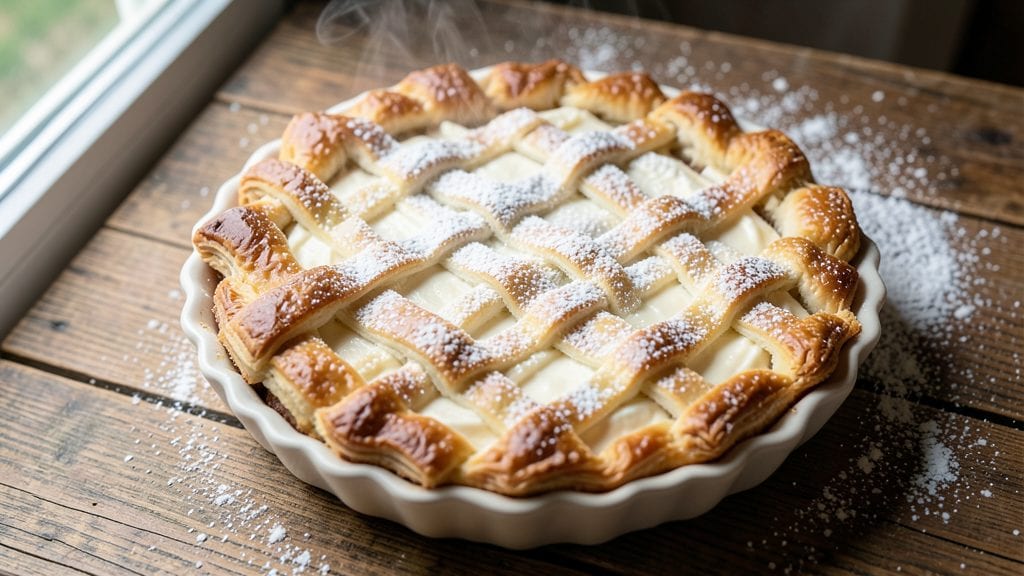
Creating a Philadelphia cream cheese pastry with flaky layers and vanilla swirls is the kind of recipe that transforms ordinary weeknights into something special. After years of experimenting with cream cheese pastries—from dense cheesecakes to delicate danishes—I finally perfected a method that delivers both restaurant-quality texture and home-kitchen simplicity.
The secret lies in the dough's precise handling and the filling's balance of tangy cream cheese and sweet vanilla.
This recipe builds on classic techniques but streamlines them for foolproof results. You'll start with a flaky, buttery dough that wraps around a velvety cream cheese filling, then bakes to golden perfection.
The water bath method ensures a smooth top without cracks, while the vanilla swirl adds a touch of elegance that makes every bite feel like a little treat. No special equipment is needed—just patience and attention to detail during assembly.
What you'll end up with is a pastry that's light yet rich, with layers so tender they melt in your mouth. The cream cheese filling stays perfectly smooth, while the vanilla swirl adds subtle sweetness that complements the tang.
It's the kind of dessert that pairs beautifully with coffee or tea, and it's easy enough to make ahead for gatherings. The best part? Every slice delivers that perfect balance of flaky, creamy, and sweet.
Whether you're serving this for a holiday dessert or a simple weekend treat, this recipe delivers professional-quality results with minimal fuss. Let's get started on creating something truly special—your kitchen will smell like heaven before the first bite.
Ingredients for philadelphia cream cheese pastry
Eight ingredients transform into layers of flaky dough and velvety cream cheese swirled with vanilla.
| Ingredient | Amount | Notes |
|---|---|---|
| All-Purpose Flour 🌾 | 3 cups | Sifted for light texture |
| Unsalted Butter 🧈 | 1 cup | Cold, cubed, for flakiness |
| Granulated Sugar 🍚 | ¼ cup | Plus 2 tbsp for dough |
| Philadelphia Cream Cheese 🧀 | 16 oz | Room temperature, full-fat |
| Large Eggs 🥚 | 2 whole | Room temperature for dough |
| Vanilla Extract 🍯 | 1 tbsp | Pure Madagascar preferred |
| Powdered Sugar 🍚 | ½ cup | For vanilla swirl |
| Salt 🧂 | ½ tsp | Fine sea salt preferred |
| Heavy Whipping Cream 🥛 | ½ cup | Cold, for filling |
| Vanilla Bean Paste 🍯 | 1 tsp | For extra vanilla flavor |
| Milk 🥛 | ¼ cup | For dough consistency |
| Baking Powder 🍞 | 1 tsp | For lightness in dough |
The butter is non-negotiable—European-style with at least 80% fat gives the best flakiness. Plugrá or Kerrygold are my go-tos, but any cold, unsalted butter works if it's high-quality. The cream cheese must be Philadelphia brand—none of that imitation stuff. Room temperature is key for both the butter and cream cheese; if they're too cold, the dough will fight you. For the vanilla, Madagascar or Tahitian extract adds depth, but pure vanilla bean paste takes it to another level. The powdered sugar for the swirl? Confectioners' sugar is best—it dissolves smoothly without graininess.
No vanilla extract? Vanilla sugar or scraped vanilla bean seeds work in a pinch. The dough can handle a pinch of cardamom or orange zest if you're feeling adventurous. For the butter, if you're short, shortening can replace up to half—though purists will scoff. The heavy whipping cream in the filling can be swapped for half-and-half**, but it won't whip as stiff. And if you're making this ahead, freeze the assembled pastry before baking—it bakes beautifully straight from frozen.
This pastry keeps beautifully—3 days at room temperature wrapped in parchment, or 1 week in the fridge. For longer storage, freeze the unbaked pastry (wrapped tightly) for up to 2 months. The filling stays velvety if you reheat slices in the oven for 5-10 minutes at 350°F. I always make a double batch—one for now, one for later. The aroma alone is worth the effort.
Why You'll Love This Recipe
- No-Fuss Dough: I swear, this comes together faster than ordering takeout. Just mix the flour, butter, and cream cheese until it’s crumbly—no rolling pin required. The eggs bind it all while you’re still deciding what to watch on TV.
- Creamy Crisp Magic: That buttery crust with a tender, slightly sweet center? It’s the cream cheese doing the heavy lifting. The sugar caramelizes just enough to give every bite a little golden edge—like a hug from a bakery, but with less guilt.
- Breakfast to Dessert: Honestly, I’ve used this for cinnamon rolls, cheesecake crusts, and even savory hand pies. The dough stays fresh for days, so I’ll make a batch on Sunday and freeze half. By Wednesday, I’m already planning what to stuff it with next.
- Pantry Staple Power: Between us, this recipe uses things you already have. No specialty flours or expensive cheeses—just butter, sugar, and that one block of cream cheese gathering dust. Plus, leftovers freeze perfectly, so I’m never stuck scrambling for a last-minute treat.
Step-by-step instructions for Philadelphia cream cheese pastry
Here's how to create layers so tender they melt in your mouth while keeping that signature flaky perfection.
Prepare the Cold Butter and Cream Cheese Filling
First, let the 1 cup unsalted butter and 16 oz Philadelphia cream cheese sit at room temperature for 30 minutes—this ensures they blend smoothly without lumps. In a mixing bowl, beat the cream cheese until completely smooth, then add the 0.25 cup granulated sugar, 1 tbsp vanilla extract, and 1 tsp vanilla bean paste. Mix until fully combined and set aside.
This is the heart of your pastry, so don’t rush it. The cream cheese should be completely homogenous, with no visible streaks of yellow. If it’s too thick, add 1-2 teaspoons of milk to loosen it slightly. The filling needs to be pliable but not runny—think of it like thick pudding.
Make the Dough with Cold Butter and Milk
In a separate large bowl, whisk together the 3 cups all-purpose flour, 1 tsp baking powder, 0.5 tsp salt, and the remaining 0.25 cup granulated sugar. Cut in the 1 cup cold cubed butter using a pastry cutter or your fingers until the mixture resembles coarse crumbs with pea-sized butter pieces. This is crucial for flakiness—never overwork it.
Gradually add the 0.25 cup milk and 2 whole large eggs, mixing just until the dough comes together. Wrap it in plastic and chill for at least 1 hour. The cold butter must stay solid during rolling to create those signature flaky layers. If the dough feels sticky, add 1 tablespoon more flour—but don’t overdo it, or the pastry will toughen.
Roll and Layer the Dough
Preheat your oven to 375°F. On a lightly floured surface, roll the chilled dough into a 12x9-inch rectangle, about 1/8-inch thick. Spread the cream cheese filling evenly over 3/4 of the rectangle, leaving a 1-inch border uncovered. This prevents the filling from oozing out during baking.
Fold the uncovered border over the filling, then roll the dough tightly into a log. Seal the seam by pinching it closed. Wrap the log in plastic and chill for another 30 minutes—this keeps the filling from leaking while baking. The log should feel firm but still yield slightly when pressed.
Bake Until Golden and Set
Place the sealed log on a parchment-lined baking sheet and bake for 30-35 minutes, until the pastry is deep golden brown and the internal temperature reaches 190°F. Rotate the pan halfway through for even browning. The edges should be crisp, while the center remains slightly soft—this ensures a moist, tender bite.
Let the pastry cool for 10 minutes before slicing. The filling will be warm but not runny—if it looks too thick, brush the top with a little milk and broil for 1-2 minutes to soften it slightly. For extra decadence, dust with 0.5 cup powdered sugar and a pinch of salt before serving.
Whip the Cream Filling and Assemble
While the pastry cools, whip the 0.5 cup heavy whipping cream, 0.5 cup powdered sugar, and 1 tsp vanilla bean paste to stiff peaks. Spread a thin layer of the whipped cream on each slice, then top with another slice to create a sandwich. The cream should hold its shape but still be light enough to spread easily.
Serve immediately for the best texture—each bite should deliver that buttery flakiness with a creamy, vanilla-kissed filling. If storing, keep the pastry and cream filling separate until ready to assemble, as the cream can soften over time. This is where the magic happens: the contrast between the crisp, golden layers and the velvety cream filling.
Pro Tips For Making Philadelphia Cream Cheese Pastry
- CHILL THE CREAM CHEESE: Take the Philadelphia cream cheese out of the fridge and let it sit at room temperature for 15-20 minutes before mixing—it blends smoother and avoids lumps that turn your dough into a greasy mess. I learned this the hard way after struggling to get a uniform texture with cold blocks straight from the fridge.
- CUT BUTTER COLD (NOT FROZEN): Use unsalted butter straight from the fridge, but don’t let it get rock-hard—cut it into small cubes just before mixing. Cold butter creates flaky layers, but if it’s frozen solid, the dough will fight you. Aim for "soft but still holds shape" consistency.
- WEIGH YOUR FLOUR (NO SCOOPING): Spoon the all-purpose flour into a scale and weigh it precisely—no scooping from the bag. Packing or aerating the flour changes volume, and this dough is delicate enough without extra moisture or dryness throwing it off. A 1% difference matters more than you’d think.
- REST THE DOUGH (EVEN IF IMPATIENT): Wrap the shaped pastry in plastic and refrigerate for at least 30 minutes before baking—yes, even if you’re eager. This relaxes the gluten, prevents shrinking, and ensures clean slices. I skipped this once and ended up with a sad, dense loaf that looked like it had been run over.
Storing and reheating this dish
Refrigerator Storage
This pastry keeps beautifully in the fridge for up to 5 days when stored properly. Let it cool completely, then wrap tightly in plastic wrap followed by a layer of parchment paper to prevent drying.
I like to place it in an airtight container with a paper towel on top to absorb any excess moisture. The layers stay flaky, and the cream cheese filling remains velvety—just reheat before serving. 💫
Freezer Prep
For longer storage, freeze the unbaked pastry log (wrapped tightly) for up to 2 months. Thaw overnight in the fridge before baking—no need to defrost at room temperature, as the cold butter will soften gradually in the oven.
If you prefer, you can also freeze baked slices (without the whipped cream) for 1 month. Wrap each slice individually in plastic wrap and place them in a freezer bag with parchment between layers.
Reheating Baked Pastry
For the best texture, reheat slices in a 350°F oven for 5-10 minutes on a parchment-lined tray. The heat will revive the flakiness without drying out the filling.
If you're short on time, the microwave works in a pinch—heat for 15-20 seconds on 50% power, then cover with a damp paper towel to soften the layers. Avoid reheating with the whipped cream layer until serving.
Whipped Cream Handling
Store the whipped cream filling separately in an airtight container in the fridge for up to 3 days. To assemble, spread a thin layer on each slice just before serving—this keeps the cream light and fluffy.
If the cream starts to weep, whip it again briefly with a pinch of powdered sugar to restore stiffness. The contrast of warm pastry with fresh cream is what makes this dessert truly special. ✨
Make-Ahead Tips
Assemble the pastry log the night before and refrigerate it overnight—this enhances the flavors and makes rolling easier. For events, bake the pastry ahead, slice it, and store the pieces in an airtight container with parchment between layers.
Reheat individual slices as needed, then add the whipped cream just before serving. This way, you can focus on hosting instead of last-minute baking. 💡
Serving Suggestions
Serve slices at room temperature for the best texture—let them sit for 10 minutes after reheating. Dust with powdered sugar and a pinch of flaky sea salt for a gourmet touch. Pair with hot coffee or chilled chamomile tea to balance the richness.
For a festive presentation, arrange slices on a parchment-lined platter and garnish with edible flowers or a drizzle of vanilla glaze. 🌸
Nutrition facts
Frequently asked questions
Can I substitute cream cheese brands in this recipe?
Only use Philadelphia brand cream cheese for best results—the higher fat content (34%) creates that signature velvety texture. Imitation brands often have lower fat (10-20%), which can make the filling grainy. If you must substitute, use full-fat brick cream cheese like Boursin, but expect slightly different flavor notes.
Why does my dough crack when rolling?
Overworking the dough or using warm butter are the most common culprits. Keep everything cold—your butter should still have visible cubes after mixing. Roll gently and avoid stretching the dough. If cracks appear, simply press them back together before adding the filling.
Can I make this pastry without a water bath?
Yes, but expect slightly more cracks on top. The water bath prevents rapid heat transfer that causes cheesecake-like cracking. For this recipe, bake on the middle rack at 375°F for 30-35 minutes—rotate the pan halfway. If cracks form, cover loosely with foil for the last 10 minutes of baking.
How do I prevent the filling from leaking?
Leave a 1-inch border of uncovered dough when spreading the filling, and seal the seam tightly when rolling. Chill the log for 30 minutes before baking to firm up the filling. If you notice oozing during baking, reduce the oven temperature to 350°F for the last 5 minutes to set it properly.
What's the best way to slice this pastry?
Let it cool completely for 2 hours before slicing to prevent crumbling. Use a sharp serrated knife and dip it in hot water, wipe dry, and slice cleanly. For even slices, mark your cutting lines with a toothpick first. Serve immediately after slicing for the best texture!