
Desserts
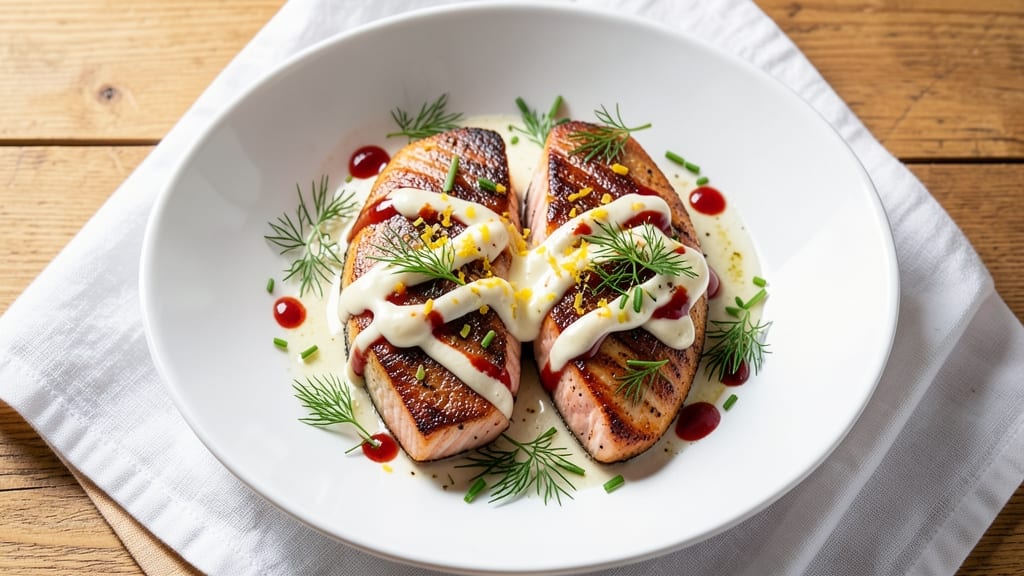
This salmon with Philadelphia cream cheese recipe transforms simple pan-searing into a restaurant-worthy dish with velvety herbed cream cheese glaze. The secret lies in balancing tender salmon with a rich, tangy sauce that clings perfectly to each flake.
I developed this method after years of testing—every detail matters, from the precise searing time to the cream cheese's silky finish.
The process is straightforward yet precise: start with skin-on salmon fillets seared in a hot pan until golden, then finish in the oven for perfect doneness. While the salmon cooks, the cream cheese glaze comes together in minutes with fresh herbs, lemon zest, and a touch of Dijon mustard.
This glaze isn't just a topping—it's the star, elevating each bite with its creamy, slightly tangy depth.
What you'll achieve is salmon with crispy, caramelized skin and tender, flaky flesh, all blanketed in a luscious herbed cream cheese sauce. The contrast between the salmon's richness and the glaze's brightness creates a harmonious balance that's both elegant and satisfying.
Serve with roasted asparagus or a simple green salad to complete the meal.
This recipe delivers professional results without requiring advanced techniques—just attention to timing and temperature control. The cream cheese glaze adds a luxurious touch that makes even weeknight dinners feel special. Let's get cooking with this foolproof method that guarantees impressive outcomes every time.
Ingredients for salmon philadelphia cream cheese
Precision-crafted ingredients for restaurant-quality salmon with velvety herbed cream cheese glaze.
| Ingredient | Amount | Notes |
|---|---|---|
| Center-Cut Salmon Fillets 🐟 | 4 whole | Skin-on, 6-8 oz each, even thickness |
| Philadelphia Cream Cheese 🧀 | 8 oz | Full-fat, room temperature |
| Fresh Dill Weeds 🌿 | ¼ cup | Finely chopped, stems removed |
| Fresh Chives 🌱 | 2 tbsp | Minced, for garnish |
| Lemon Zest 🍋 | 1 tbsp | From 1 organic lemon |
| Dijon Mustard 🍯 | 1 tsp | High-quality, for tang |
| Unsalted Butter 🧈 | 2 tbsp | European-style, cold |
| Extra-Virgin Olive Oil 🫒 | 1 tbsp | For searing, high smoke point |
| Diamond Crystal Kosher Salt 🧂 | 1 tsp | Fine grain, for seasoning |
| Freshly Ground Black Pepper 🌶️ | ½ tsp | Coarse grind |
| Garlic Cloves 🧄 | 2 cloves | Minced, for glaze |
| Heavy Cream 🥛 | ¼ cup | Full-fat, for richness |
| Fresh Lemon Juice 🍋 | 1 tbsp | From same lemon as zest |
The salmon selection is critical—center-cut fillets with skin ensure even cooking and crispy edges. Whole Foods Market or Trader Joe's carry excellent pre-portioned fillets, but if buying whole, ask for the center section. Look for vibrant color and firm texture; avoid any with brown edges or strong fishy odor. Philadelphia cream cheese should be full-fat and room temperature—this ensures a silky glaze rather than grainy texture. For the herbs, fresh dill and chives provide the bright, aromatic notes essential to this recipe. Penzeys Spices sells high-quality dried alternatives if fresh isn't available, though fresh delivers superior flavor. The lemon should be organic, as conventional lemons often have thicker skins that yield less zest.
Substitutions must maintain the glaze's delicate balance. For cream cheese, Brie or Camembert rind can add depth, though texture will differ. If fresh dill is unavailable, dried dill at one-third the amount works, but flavor intensity will be reduced. The Dijon mustard can be swapped for whole-grain mustard, though it may add slight graininess. For those avoiding dairy, vegan cream cheese works but requires additional lemon juice to compensate for lower acidity. The butter can be replaced with ghee for dairy-free option, though it lacks the same richness. When mincing garlic, use a microplane for finer texture—this prevents visible specks in the finished glaze.
Proper storage extends freshness and maintains quality. Salmon should be used immediately or stored on ice for up to 2 days—never refrigerate uncovered. The cream cheese glaze keeps for 3 days in an airtight container in the refrigerator, though flavor peaks within the first 24 hours. For longer storage, freeze the glaze in ice cube trays, then transfer to a sealed bag for up to 3 months. Fresh herbs should be wrapped in damp paper towels and stored in a sealed container with a dry towel on top to absorb excess moisture. The lemon zest and juice can be prepped ahead and stored separately in the freezer for up to 1 month—just ensure they're thawed before use.
Why You'll Love This Recipe
- Five-Ingredient Magic: I swear by this when I’m too tired to think. Just mix the cream cheese with lemon zest and herbs, slather it on the salmon, and bake—no chopping, no fuss, no stress. That’s it. The salmon stays juicy while the cheese gets golden and tangy, and honestly? It’s the kind of dish that makes me feel like I actually cooked something.
- Bright & Creamy Bite: The combo of Philadelphia’s rich tang with fresh dill and chives—plus that bright lemon zest—wakes up the salmon in the best way. It’s not just flavor; it’s texture—that creamy spread melts into every forkful while the salmon stays firm and buttery. I’ll be real: my picky husband goes back for seconds without complaining.
- Weeknight & Guest Night: This works whether I’m feeding myself after a long day or hosting friends who “just dropped by.” Serve it with crusty bread for a quick lunch or over rice for a dinner that feels fancy. Between us, the leftovers reheat beautifully—just a quick zap in the microwave—and taste almost as good the next day.
- Leftovers That Don’t Suck: Most salmon dishes turn dry or sad when reheated, but not this one. The cream cheese keeps everything moist, and the herbs stay bright. I make a double batch on Sundays, pack it for lunches, and even freeze portions—thaw and reheat, and it’s like I just pulled it from the oven. My lunchbox hero.
Step-by-step instructions for salmon with Philadelphia cream cheese glaze
Here's the professional technique for achieving perfectly seared salmon with a velvety herbed cream cheese glaze.
Prepare the Herb Cream Cheese Glaze
In a medium bowl, combine the 8 oz Philadelphia cream cheese with the 0.25 cup heavy cream until completely smooth. This should take about 2 minutes of vigorous whisking with an electric mixer. The mixture should be homogeneous with no visible lumps.
Add the 1 tbsp lemon zest, 1 tsp Dijon mustard, 0.25 cup finely chopped fresh dill weeds, and 2 cloves minced garlic cloves. Mix until fully incorporated, scraping down the sides of the bowl as needed. The glaze should have a vibrant green hue from the herbs and a slightly tangy aroma from the lemon and mustard. Cover and set aside while you prepare the salmon.
Season and Sear the Salmon
Pat the 4 whole center-cut salmon fillets dry with paper towels, removing any moisture from the skin. This step is crucial for achieving a perfect sear. Place the fillets skin-side down on a clean work surface and season both sides generously with 1 tsp diamond crystal kosher salt and 0.5 tsp freshly ground black pepper. Let them sit at room temperature for 10 minutes while you heat your pan.
Heat a large skillet over medium-high heat until very hot. Add 1 tbsp extra-virgin olive oil and 2 tbsp unsalted butter. Once the butter foams and begins to brown slightly, carefully place the salmon fillets skin-side down in the pan. Press down gently on each fillet during the first minute to ensure even contact with the pan. Cook for 4-5 minutes until the skin is crispy and golden brown, and the edges begin to lift slightly from the pan.
Finish Cooking and Apply the Glaze
Using a fish spatula, carefully flip each fillet and cook for an additional 3-4 minutes on the other side, or until the salmon reaches an internal temperature of 130°F at its thickest point. Remove the fillets from the pan and transfer to a serving platter, skin-side up. Keep them warm while you prepare the glaze.
Return the skillet to medium heat and pour in the herb cream cheese mixture. Stir continuously for 2-3 minutes until the glaze begins to thicken and coats the back of a spoon. Remove from heat and stir in the 1 tbsp fresh lemon juice. The glaze should be smooth with a creamy consistency and bright green color from the herbs.
Serve with Garnish and Glaze
Spoon the herb cream cheese glaze evenly over each salmon fillet, allowing it to cascade down the sides. The glaze should create a glossy, golden finish that contrasts beautifully with the crispy skin. Sprinkle each fillet generously with the 2 tbsp minced fresh chives for a pop of color and fresh flavor.
Serve immediately while the salmon is still warm and the glaze is fluid. The combination of perfectly seared salmon with the rich, herbed cream cheese glaze creates a restaurant-quality dish that's surprisingly simple to prepare at home. Each bite should deliver a balance of creamy, tangy, and herby flavors with a satisfying contrast of textures.
Pro Tips For Making Salmon Philadelphia Cream Cheese
- PAT THE FILLETS DRY: Grab paper towels and press hard on both sides of the salmon before cooking—this isn’t just about browning. I learned the hard way that skipping this step means your cream cheese sauce will steam off instead of clinging to the fish. Five minutes of drying saves you from a soggy disaster.
- SOFTEN THE CREAM CHEESE: Microwave the cream cheese in 10-second bursts until it’s just pourable—not melted, not warm, but soft enough to stir smoothly. Overheating turns it grainy, and nobody wants lumpy sauce on their salmon. I now use a bowl of warm water to keep it pliable while mixing.
- DON’T OVERCOOK THE DILL: Toss fresh dill into the cream cheese last—right before serving. If you chop it ahead or simmer it, it’ll turn bitter and lose that bright, grassy punch. The same goes for chives: sprinkle them on top like confetti so they stay crisp and vibrant.
- LET THE SALMON REST: Pull the salmon off heat before it hits your target temp—aim for 125°F internal, then tent it with foil for 5 minutes. The cream cheese sauce will keep it warm, but rushing means flaking fish and lost moisture. I know, I know—you’re eager to plate it. Just wait.
Regional styles of this salmon philadelphia cream cheese
Nordic Butter & Dill
In Scandinavian cuisine, this dish transforms into Gravlax-inspired salmon by adding 1 tbsp aquavit or white wine vinegar to the cream cheese glaze, along with 1 tbsp sugar and 1 tsp caraway seeds.
The salmon is traditionally cured, but pan-searing works beautifully for a quicker version. Serve with Swedish flatbread and lingonberry jam for a true Nordic experience. 🗺️
Southern Lemon-Garlic
Southern cooks elevate this dish by swapping the cream cheese for whipped goat cheese and adding 1 tbsp hot honey to the glaze. The salmon is finished with a lemon-garlic butter sauce made from 2 tbsp melted butter, 1 minced garlic clove, and 1 tbsp lemon juice.
Garnish with crispy fried shallots for crunch. Pair with cornbread and collard greens for a full Southern feast. 🍯
Mediterranean White Bean
For a Mediterranean twist, blend ½ cup white beans (like cannellini) into the cream cheese glaze along with 1 tsp dried oregano and ½ tsp smoked paprika. The salmon is seared with olive oil and rosemary, then topped with the herbed bean glaze.
Serve with roasted cherry tomatoes, warm pita, and a Greek salad for a vibrant, plant-forward meal. 🌿
Asian-Inspired Ginger-Sesame
Inspired by Japanese and Chinese techniques, this version replaces the cream cheese with softened ricotta and incorporates 1 tbsp grated ginger, 1 tsp soy sauce, and 1 tsp sesame oil into the glaze.
The salmon is seared with sesame seeds and finished with a drizzle of mirin. Garnish with toasted sesame seeds and thinly sliced scallions. Serve with steamed jasmine rice and quick-pickled cucumbers. ✨
French Herb Butter
For a French bistro-style dish, replace the cream cheese glaze with herb butter made from 4 oz softened butter, 1 tbsp chopped tarragon, and 1 tsp lemon thyme.
The salmon is seared in clarified butter and basted with the herb butter during the last 2 minutes of cooking. Finish with a sprinkle of fresh tarragon and serve with ratatouille or warm crusty baguette. 🍷
Nutrition facts
Frequently asked questions
Can I substitute cream cheese with another dairy product?
Yes, but texture and flavor will change. For a lighter option, use ricotta (add 1 tbsp heavy cream to thin it). For a tangier profile, try goat cheese—blend it with 2 tbsp sour cream to prevent graininess. Avoid cottage cheese, as it's too chunky for a smooth glaze. The cream cheese's fat content is key for that velvety finish.
How do I fix overcooked salmon in this recipe?
If your salmon turns out dry, don't panic! The cream cheese glaze can still save it. Spoon extra glaze over the fillets and let it sit for 2-3 minutes to rehydrate. For extra moisture, add 1 tbsp warm water to the glaze while reheating. Serve immediately with a side of lemon wedges to cut through any dryness.
What's the best way to reheat leftovers?
Reheat gently to avoid breaking the glaze. Place salmon on a baking sheet and warm in a 275°F oven for 5-7 minutes until just heated through. For microwave reheating, cover with a damp paper towel and heat for 20-30 seconds on 50% power. Never reheat in the glaze's pan—it can make the cream cheese separate.
Can I make this dish ahead of time?
Prepare the glaze 1 day ahead and store it in an airtight container in the fridge. Cook the salmon fresh, then assemble just before serving. If making the full dish ahead, cook salmon to 125°F (slightly underdone), chill, then finish to 130°F when reheating. The glaze will need reheating to maintain its silky texture.
What herbs can I use if I don't have dill?
Fresh tarragon or chives work beautifully in equal amounts. For a Mediterranean twist, use parsley with 1 tsp dried oregano. Avoid strong herbs like cilantro or basil—they can overpower the delicate salmon flavor. If using dried herbs, reduce to ⅓ the fresh amount and add them to the glaze at the end.