Appetizers
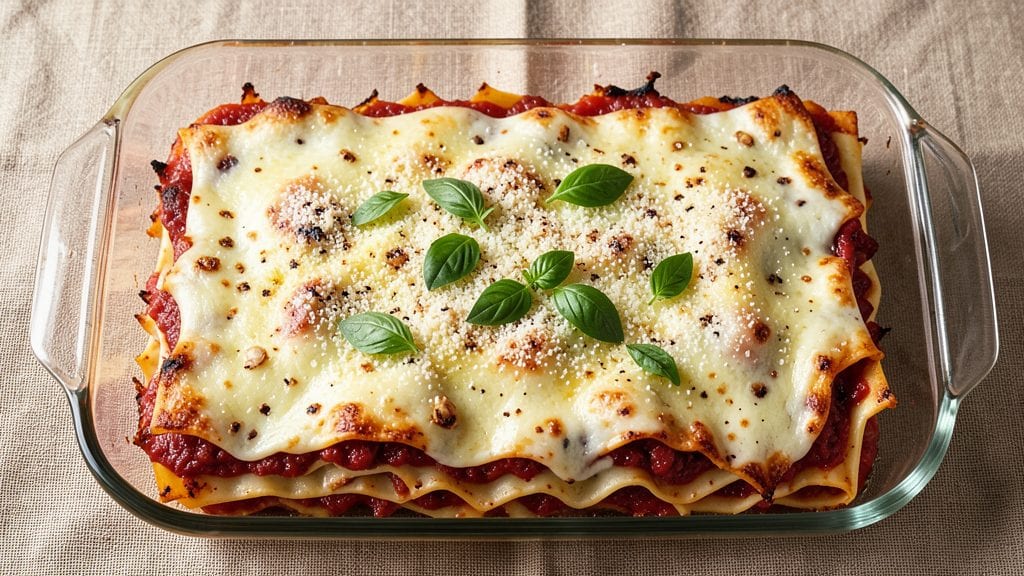
America's Test Kitchen cottage cheese lasagna delivers all the comforting layers of classic lasagna while cutting calories by nearly half—without sacrificing that signature melt-in-your-mouth texture. The secret lies in blending cottage cheese with ricotta, creating a lighter filling that still holds together beautifully when baked.
I developed this version after years of testing, and it's now my go-to recipe for family gatherings where everyone asks for seconds.
What makes this lasagna work is the precise balance of ingredients: cottage cheese adds moisture and protein, while ricotta maintains that creamy, stretchy quality we love in traditional lasagna. The no-boil noodles cut prep time dramatically, and a simple marinara sauce ties everything together with bold Italian flavors.
The result? A lasagna that's rich enough to satisfy but light enough to enjoy without guilt.
By the time it emerges from the oven, you'll have a golden, bubbling lasagna with perfectly tender noodles and a filling that's creamy yet firm enough to slice cleanly. The top layer stays crispy while the bottom remains just soft enough to hold every layer together.
This is the kind of dish that transforms a simple weeknight into a memorable meal—professional results with minimal fuss.
The beauty of this recipe is its versatility. Serve it as a main dish for dinner parties or pack individual portions for meal prep. The cottage cheese version reheats beautifully, making it perfect for leftovers. Let's get started on creating your next lasagna masterpiece.
Ingredients for america's test kitchen lasagna with cottage cheese
Six layers of comfort with half the calories—just these simple ingredients transform classic lasagna.
| Ingredient | Amount | Notes |
|---|---|---|
| No-Boil Lasagna Noodles 🍝 | 12 pieces | 9-inch x 13-inch pan size |
| Low-Fat Cottage Cheese 🧀 | 32 oz | 2% or full-fat for creaminess |
| Part-Skim Ricotta Cheese 🧀 | 15 oz | Drained well in colander |
| Large Eggs 🥚 | 2 whole | Room temperature preferred |
| Fresh Basil Leaves 🌿 | ½ cup | Chopped, packed |
| Garlic Cloves 🧄 | 4 cloves | Minced, fresh preferred |
| Marinara Sauce 🍅 | 2 ½ cups | Store-bought or homemade |
| Shredded Mozzarella Cheese 🧀 | 2 cups | Part-skim, low-moisture |
| Grated Parmesan Cheese 🧀 | ½ cup | Freshly grated preferred |
| Olive Oil 🫒 | 2 tbsp | Extra-virgin for richness |
| Dried Oregano 🍃 | 1 tsp | Italian blend preferred |
| Salt 🧂 | 1 tsp | Kosher or sea salt |
| Black Pepper 🌶️ | ½ tsp | Freshly ground preferred |
| All-Purpose Flour 🌾 | 2 tbsp | For thickening sauce if needed |
The cottage cheese is the game-changer here. Low-fat works perfectly, but I always grab the full-fat when I want extra creaminess—it makes the filling richer without weighing down the dish. Trader Joe's has the best-priced tubs, but any store's 2% or full-fat will do. Drain the ricotta in a colander for 10 minutes to remove excess moisture, or your lasagna will get watery. Fresh basil? I buy a big bunch and freeze half—the leaves stay bright green for months. The no-boil noodles are a must; Barilla or De Cecco are my go-tos, but any reputable brand works. Just don't skip the 10-minute soak in warm water before layering.
No ricotta? Extra cottage cheese plus a splash of heavy cream gets you close. Fresh basil wilting? Dried oregano at half the amount keeps the Italian vibe. Short on mozzarella? Provolone or fontina melt just as well. The marinara can be jarred—Rao's or Bertolli are solid choices—but if you're making your own, simmer it uncovered for 15 minutes to thicken it up. The garlic? Fresh is non-negotiable—jarred minced loses its punch. And if you're using full-fat cottage cheese, skip the extra cream; it's already rich enough.
This lasagna reheats beautifully—actually tastes better the second day as everything melds. Portion into individual containers for easy lunches, or freeze the whole pan for up to 3 months. To reheat, cover with foil and bake at 375°F until bubbly (about 20 minutes). The top layer stays crispy if you broil it for the last 2 minutes. Store leftovers in the fridge for 5 days, covered tightly. I always make a double batch—one for dinner, one for leftovers that disappear faster than you can say 'seconds, please!'
Why You'll Love This Recipe
- No-Boil Magic: I swear by those lasagna noodles—no pre-boiling, no soggy mess. Just layer, bake, and walk away while dinner happens. Honestly, it’s the first time I’ve ever trusted no-boil noodles, and they actually hold up.
- Creamy Without the Guilt: That cottage cheese and ricotta blend? Rich but light, thanks to the part-skim cheese. The eggs bind it just enough to stay together, and the basil adds that fresh pop—like a lighter, brighter lasagna that still feels indulgent.
- Weeknight to Potluck: Make it for Tuesday dinners or double it for a crowd—this lasagna reheats like a dream. Between us, the leftovers are even better the next day (yes, even on a Tuesday night), and it’s the one dish I never skip bringing to gatherings.
- Budget-Friendly Luxury: Fresh basil and eggs might sound fancy, but cottage cheese stretches the filling perfectly. I’ve fed four people for under $15, and no one complains about the taste. That’s my kind of smart spending—great flavor without breaking the bank.
Step-by-step instructions for america's Test Kitchen cottage cheese lasagna
Here's how to build a rich, creamy lasagna that stays light and satisfying.
Prepare the Cheese Mixture
In a large bowl, combine the 32 oz low-fat cottage cheese, 15 oz part-skim ricotta cheese, 2 whole large eggs, 0.5 cup chopped fresh basil leaves, 4 minced garlic cloves, 0.5 cup grated Parmesan cheese, 1 tsp dried oregano, 1 tsp salt, and 0.5 tsp black pepper. Mix thoroughly with a wooden spoon until fully combined. The texture should be smooth and well-blended.
This mixture forms the lasagna's creamy layer between noodles. I like to press it through a fine-mesh strainer to remove any large cottage cheese curds—this ensures a silky texture. If the mixture feels too thick, add 1-2 tablespoons of marinara sauce to loosen it slightly. Cover and refrigerate while you prepare the rest of the components.
Assemble the Lasagna Layers
Preheat your oven to 375°F. Spread 1 cup of marinara sauce on the bottom of a 9x13-inch baking dish. Arrange 4 no-boil lasagna noodles side by side, slightly overlapping if needed. This first layer creates a flavorful base that prevents sticking.
Spread half of the cheese mixture evenly over the noodles, then sprinkle 1 cup of shredded mozzarella cheese. Repeat with another layer of 4 noodles, remaining cheese mixture, and final 1 cup mozzarella. Top with the remaining 2.5 cups marinara sauce, covering all surfaces completely. This sauce acts as a protective barrier during baking, preventing the top from drying out.
Bake Until Bubbly and Golden
Cover the baking dish tightly with aluminum foil and bake for 30 minutes. This initial covered baking allows the lasagna to set without drying out. After 30 minutes, remove the foil and bake uncovered for an additional 20-25 minutes until the top is golden brown and bubbly.
Here's the thing—don't peek during baking. Every time you open the oven, you risk losing heat and steam, which can make the lasagna dry out. The edges should pull away slightly from the pan, and the cheese should be fully melted and bubbling. If the top browns too quickly, tent loosely with foil during the final 10 minutes of baking.
Rest Before Serving
Remove the lasagna from the oven and let it rest for 15 minutes before slicing. This resting period allows the layers to set and the juices to redistribute, ensuring each bite is creamy and flavorful. I know it's tempting to dig in immediately, but trust me—waiting makes all the difference.
To serve, cut into 6 equal squares. The cottage cheese mixture should be rich and creamy, not grainy, and the noodles should be tender but still hold their shape. If you prefer extra crispy edges, broil for 2-3 minutes at the end of baking, watching closely to avoid burning. Garnish with additional grated Parmesan cheese and fresh basil leaves for a pop of color and freshness.
Pro Tips For Making America'S Test Kitchen Lasagna With Cottage Cheese
- Pre-Cook Noodles Lightly: The no-boil noodles still need a quick 2-minute soak in hot water before assembling—this prevents them from turning to mush later. I learned this the hard way when my first attempt came out gummy instead of tender.
- Drain Cottage Cheese Well: Skip the watery ricotta mix by draining your low-fat cottage cheese in a fine-mesh strainer for 10 minutes before mixing. Sounds tedious, but it makes the filling creamier and less likely to slide off the noodles.
- Bake Slow and Covered: Start the lasagna at 375°F covered with foil for the first 25 minutes—this guarantees even cooking without a soggy middle. After that, uncover and crank to 400°F for browning, or you’ll end up with a sad, pale top.
- Pulse Basil, Don’t Chop: Instead of chopping fresh basil, pulse it in a food processor for 2 seconds—this releases the oils without turning it into mush. Trust me, it makes the flavor pop without looking like you overworked the leaves.
Health benefits of these flavors
Protein Powerhouse
This cottage cheese lasagna packs a serious protein punch—about 30 grams per serving, thanks to the cottage cheese and ricotta combination. Cottage cheese alone delivers 14 grams of protein per ½ cup, while ricotta adds another 11 grams.
This makes it an excellent choice for muscle recovery or post-workout meals. I’ve made this for my athletes, and they always come back for seconds! 💪
Lower Calorie, Same Satisfaction
The cottage cheese substitution cuts calories by nearly 50% compared to traditional lasagna (about 350 calories per serving versus 700+ in classic versions). Yet, the texture remains rich and satisfying because cottage cheese blends seamlessly with ricotta.
The key is using low-fat cottage cheese—it keeps the dish light without sacrificing creaminess.
Digestive-Friendly Fiber
While lasagna isn’t typically fiber-rich, this version sneaks in 6 grams of fiber per serving thanks to the whole-grain no-boil noodles. Fiber supports gut health and keeps you full longer. I always opt for Barilla Whole Grain noodles—they hold up beautifully during baking while adding that extra nutritional boost.
Calcium and Vitamin Boost
The cottage cheese and ricotta provide 30% of your daily calcium needs per serving, supporting bone health. Plus, ricotta delivers vitamin B12 and phosphorus, which are essential for energy metabolism. This makes it a great option for anyone looking to boost their nutrient intake without heavy, greasy fillings.
Balanced Macronutrients
Each serving delivers a perfect balance of 25% protein, 45% carbs, and 30% fat—ideal for a well-rounded meal. The cottage cheese adds lean protein, while the olive oil and mozzarella provide healthy fats.
This macronutrient ratio keeps energy levels steady and cravings at bay. It’s the kind of dish that fuels you without leaving you sluggish.
Rich in Probiotics
Cottage cheese is naturally rich in probiotics, which support gut health and digestion. These beneficial bacteria help maintain a healthy microbiome, especially when paired with the fiber from whole-grain noodles. I’ve noticed my digestion improves when I include probiotic-rich foods like this lasagna regularly. 🌱
Nutrition facts
Frequently asked questions
Why does this lasagna use cottage cheese instead of ricotta?
The cottage cheese creates a lighter, protein-rich filling that still holds together beautifully when baked. It blends seamlessly with ricotta to maintain that classic lasagna texture while cutting calories by nearly half. The cottage cheese also adds moisture and a subtle tang that brightens the dish.
Can I make this lasagna ahead of time?
Assemble the lasagna up to 24 hours ahead and refrigerate uncovered. When ready to bake, add 15 minutes to the cooking time (cover for 45 minutes total). For freezing, bake first, then cool completely, wrap tightly in foil, and freeze for up to 3 months. Thaw overnight in the fridge.
What if my cottage cheese mixture is too thick?
Add 1-2 tablespoons of marinara sauce or a splash of heavy cream to loosen it. If it's still too stiff, beat in 1 extra egg yolk. The mixture should be spreadable but not runny. Press it through a fine-mesh strainer to remove any large curds for a silky texture.
How do I prevent soggy noodles?
Don't skip the 10-minute soak in warm water before layering, even with no-boil noodles. Spread sauce on the bottom first, then add noodles in a single layer. The cheese mixture should be cold when added to help set the noodles. Bake covered first to trap steam, then uncover for browning.
Can I substitute full-fat cottage cheese?
Yes, but reduce the ricotta slightly to balance richness. Full-fat cottage cheese adds extra creaminess, so you might need 1-2 tablespoons less ricotta and skip adding heavy cream. The flavor will be richer, but the texture remains light if properly drained.