
Main Courses
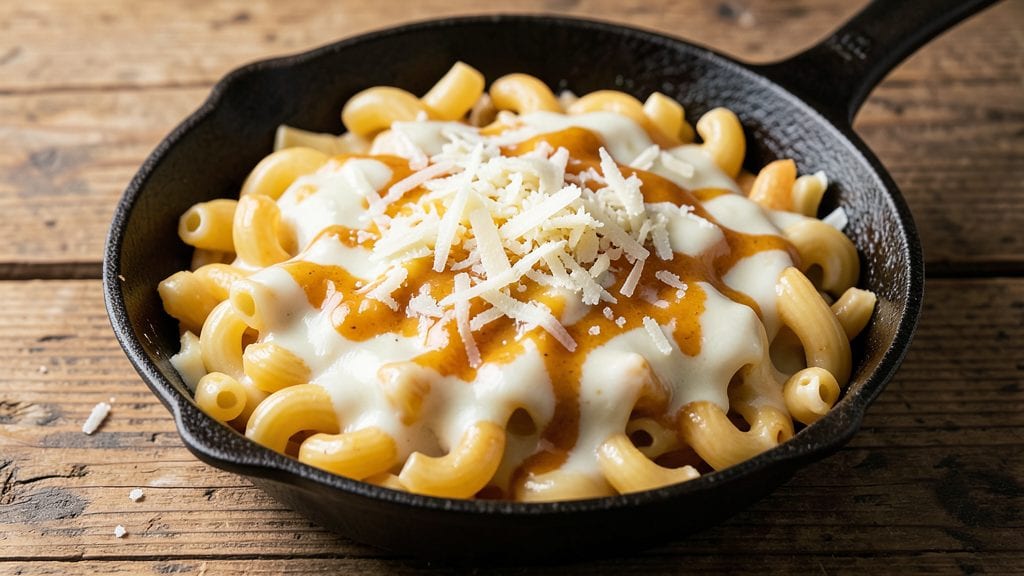
The original Betty Crocker macaroni and cheese recipe delivers that nostalgic, creamy comfort we all love—velvety stovetop sauce that clings to perfectly cooked noodles.
This isn’t just any mac and cheese; it’s the classic version that’s been a kitchen staple for generations, with a foolproof method that even beginners can master.
The secret lies in the slow, gentle melting of cheese over low heat, creating a sauce so rich it coats every strand of al dente pasta.
What makes this recipe special is its simplicity—just a handful of ingredients working together to create something truly comforting. You’ll use butter, milk, and a blend of cheeses (like cheddar and American) to build that signature creamy texture, all while the pasta cooks to perfection.
The key is patience: letting the cheese melt gradually ensures no lumps or graininess, just smooth, velvety goodness that melts in your mouth.
By the time you’re done, you’ll have a dish that’s golden, bubbly, and impossible to resist—the kind of mac and cheese that makes weeknights feel like a celebration.
The stovetop method keeps things easy, but if you’re feeling ambitious, you can even bake it for a crispy, cheesy top layer. This is comfort food at its finest, and it only takes about 20 minutes to make.
Perfect for feeding a family, meal prepping, or satisfying a craving, this recipe delivers restaurant-quality results without the fuss. Let’s get cooking—your taste buds will thank you.
Ingredients for original betty crocker macaroni and cheese
Just ten ingredients for that nostalgic, creamy mac and cheese we all crave.
| Ingredient | Amount | Notes |
|---|---|---|
| Elbow Macaroni 🍝 | 2 cups | Uncooked, dry pasta |
| Unsalted Butter 🧈 | ½ cup | Cut into small pieces |
| All-Purpose Flour 🌾 | ¼ cup | For thickening sauce |
| Sharp Cheddar Cheese 🧀 | 2 cups | Shredded, block preferred |
| Processed American Cheese 🧀 | 1 cup | Shredded, for creaminess |
| Whole Milk 🥛 | 1 ½ cups | Full-fat for richness |
| Salt 🧂 | 1 ½ tsp | Kosher or sea salt |
| Ground Black Pepper 🌶️ | ¼ tsp | Freshly ground preferred |
| Garlic Powder 🧄 | ½ tsp | For subtle depth |
| Dried Mustard 🌶️ | ¼ tsp | Optional, for tang |
The cheeses are where the magic happens. Sharp cheddar gives that classic tang, while American cheese (the processed kind) melts smoother and adds that signature creaminess. Grab a block of cheddar from the deli counter—pre-shredded gets clumpy and lacks flavor. Kraft Singles or Boothby's are my go-to for American cheese. The butter needs to be unsalted so you can control the seasoning. Land O'Lakes or Plugrah are reliable brands. For the pasta, elbow macaroni is classic, but any short shape works. Just make sure it's dry and not pre-boiled.
No sharp cheddar? Monterey Jack or Colby work in a pinch, though the flavor won't be quite the same. Running low on American cheese? Mozzarella or Gouda can stretch it, but add a splash of milk to help with melting. The dried mustard is optional but adds a nice tang—if you skip it, just bump up the pepper. For the milk, whole milk is a must—it's richer and gives that velvety texture. No whole milk? Half-and-half works, but the sauce will be slightly lighter. And if you're feeling fancy, a pinch of nutmeg adds warmth.
This sauce reheats beautifully—just add a splash of milk to loosen it up. Store leftovers in an airtight container for 3-4 days in the fridge. For meal prep, portion it into containers with pasta so you can grab and heat. The cheese sauce freezes well too, though it might get a little grainy when thawed. Add a splash of milk when reheating to restore that creamy texture. And if you're baking it? Broil for 2-3 minutes at the end for that golden, bubbly top layer.
Why You'll Love This Recipe
- No-Fuss Pantry Magic: I swear by this recipe when my fridge is empty but my kids still need dinner. Just elbow macaroni, butter, flour, and two cheeses—no fancy prep, no last-minute grocery runs. The roux comes together in minutes while the pasta boils, and honestly? That American cheese melt is the secret weapon no one talks about.
- Cheese Love Bomb: Sharp cheddar gives it that real-deal tang, but the processed American? That’s where the magic happens—creamy, stretchy, and just salty enough to make you crave another bite. Between us, the first time I made this, I ate it straight from the pot. No shame.
- Lunchbox Hero: This is my go-to for meal prep because it reheats like a dream. Pack it cold for lunches or warm it up in the microwave—either way, it’s still that same rich, cheesy goodness. My daughter picks out the cheddar chunks first, but she still asks for seconds. (Yes, even on a Tuesday.)
- Budget-Friendly Stretch: A single box of elbow macaroni, a stick of butter, and a couple blocks of cheese feed my family of four for days. Leftovers? They’re my secret for lazy mornings or unexpected guests. Not the prettiest, but the taste makes up for it—and my wallet thanks me every time.
Step-by-step instructions for Betty Crocker's original macaroni and cheese
Here's how to make that classic, creamy, stovetop macaroni and cheese everyone loves.
Cook the Elbow Macaroni to Al Dente Perfection
Bring a large pot of water to a rolling boil and add 1.5 teaspoons salt—it should taste like the ocean. Add the 2 cups elbow macaroni and cook for 8-10 minutes until the pasta is al dente (you'll feel a slight resistance when you bite into it). Drain the pasta in a colander and set it aside. Don't rinse it—those starchy noodles help create the creamy sauce later.
While the pasta cooks, I like to keep an eye on the water level. If it gets too low, add a splash of hot water to prevent the noodles from sticking together. The goal is perfectly cooked pasta that holds its shape but still has a bit of bite in the center.
Make the Creamy Cheese Sauce on the Stovetop
In a large, heavy-bottomed saucepan, melt the 0.5 cup unsalted butter over medium heat. Once it's fully melted and foaming, whisk in the 0.25 cup all-purpose flour to create a roux. Cook for 1-2 minutes until the mixture turns a light golden color and smells nutty—this ensures a smooth, flavorful sauce.
Slowly pour in the 1.5 cups whole milk while whisking constantly to prevent lumps from forming. Let the mixture simmer for 3-4 minutes until it thickens slightly. This step is crucial for building the sauce's velvety texture that makes this dish so special.
Add the Cheese Mixture for Maximum Creaminess
Lower the heat to low and begin adding the 2 cups sharp cheddar cheese and 1 cup processed American cheese in small batches. Stir constantly until each addition melts completely—this prevents clumping and ensures a smooth, creamy texture. The sauce should begin to thicken noticeably as the cheese melts.
Once all the cheese is incorporated, stir in the 0.5 teaspoon garlic powder, 0.25 teaspoon dried mustard, and 0.25 teaspoon ground black pepper. Add the remaining 0.5 teaspoon salt if needed to taste. The sauce should be thick enough to coat the back of a spoon but still flow smoothly.
Combine Pasta and Sauce for Perfect Texture
Add the drained elbow macaroni to the cheese sauce and stir gently to coat each noodle evenly. Cook for an additional 1-2 minutes on low heat, allowing the pasta to absorb some of the sauce's richness. The mixture should look glossy and well-combined, with no dry spots.
For the best results, I like to taste the sauce before serving. If it needs more creaminess, add a splash of milk or a bit more cheese. If it's too thick, stir in a tablespoon or two of pasta water. The sauce should be smooth, velvety, and perfectly cling to every noodle.
Pro Tips For Making Original Betty Crocker Macaroni And Cheese
- Boil Pasta Until Al Dente: The recipe says "cook until tender," but that’s an invitation to mush. Pull the elbows out when they’re just firm to the bite—about 1 minute before the package says "done." They’ll finish cooking in the cheese sauce, and you’ll avoid that sad, gluey texture no one wants.
- Melt Butter Low and Slow: The roux is where the magic happens, so don’t rush it. Melt the butter over medium-low heat—if it browns too fast, you’ll taste bitterness. Stir constantly until it’s a smooth, pale gold, not a nutty caramel. Trust me, your taste buds will notice.
- Shred Cheese Like It’s Your Job: The recipe calls for "grated" cheese, but that’s not good enough. Use a box grater or food processor for sharp cheddar—big, uneven shreds melt unevenly and leave dry spots. For the processed American, pulse it in short bursts so it stays chunky but still blends into the sauce.
- Stir in the Macaroni Gently: Dumping hot pasta into the sauce can break it up and make the whole dish look like a mess. Instead, add the drained pasta in batches, stirring just enough to coat each piece. Let the heat work its way through—this keeps the elbows intact and the sauce creamy.
Essential equipment for original betty crocker macaroni and cheese
Heavy-Bottomed Saucepan
This is my non-negotiable for creamy mac and cheese—the saucepan needs to distribute heat evenly to prevent burning. I use a 10-inch stainless steel saucepan from All-Clad (or any Calphalon brand) because it handles high heat without hot spots.
If you're on a budget, a 10-inch enameled cast iron Dutch oven works beautifully and adds a touch of vintage charm. The key is avoiding thin, flimsy pans that can't handle the cheese melting process. 🔥
Whisk for Smooth Sauce
A balloon whisk (like the OXO Good Grips one) is essential for blending the roux and preventing lumps when adding milk. I've tried silicone whisk attachments, but they don't give the same control.
The whisk should be long enough to reach all corners of your saucepan—about 12 inches is ideal. Keep it handy while cooking so you can stir continuously when adding cheese.
Measuring Spoons Set
Precision matters with spices in mac and cheese. I use a stainless steel measuring spoon set (like the Farberware classic) for accurate measurements of garlic powder, mustard, and pepper.
Pre-packaged spice containers often give inconsistent portions. Keep your spices in airtight containers to preserve freshness—ground spices lose potency quickly, especially in humid kitchens.
Cheese Grater or Food Processor
Freshly shredded cheese makes all the difference. I use a Box Grater for cheddar (the large holes work best) and a food processor for American cheese—it shreds more evenly than a grater.
Pro tip: If using pre-shredded cheese, pulse it in the food processor to break up any anti-caking agents that can make the sauce grainy. Store shredded cheese in the freezer for up to 3 months to keep it fresh.
Pasta Colander with Lid
A wide-mouth colander with a lid (like the Chicago Metallic one) is perfect for draining pasta while keeping it warm. The lid prevents heat loss, and the wide mouth makes it easy to transfer noodles to your saucepan.
I always keep mine near the stove—no need to run back and forth while the pasta cooks. The lid also doubles as a makeshift strainer if you need to catch cheese drippings.
Rubber Spatula for Clean Mixing
A heat-resistant silicone spatula (I love the OXO Good Grips version) is your best friend for scraping up every last bit of sauce from the saucepan. The flexible edge gets into all those crevices where cheese tends to stick.
Keep one dedicated to cheese dishes to avoid cross-contamination with raw meats or acidic ingredients. It's also great for stirring the final pasta mixture without breaking the noodles. 💫
Nutrition facts
Frequently asked questions about Betty Crocker's classic macaroni and cheese
Why does my cheese sauce get grainy when melting?
Graininess happens when cheese melts too quickly or clumps together. The fix? Always add cheese slowly over low heat while stirring constantly. Pre-shredded cheese often contains anti-caking agents that make it worse—pulse it in a food processor first to break them up. For extra smoothness, whisk in 1 tablespoon of milk at the end.
Can I make this ahead of time for meal prep?
This dish reheats beautifully. Store in an airtight container for 3-4 days in the fridge. For reheating, add 1-2 tablespoons of milk and stir on low heat until warmed through. The sauce may thicken slightly—just add more milk as needed. For freezing, portion the sauce separately from the pasta and freeze for up to 2 months.
What's the secret to perfectly al dente pasta?
Start with a rolling boil and use 1.5 teaspoons of salt per 4 quarts of water—it should taste like the ocean. Cook elbow macaroni for 8-10 minutes, then taste-test: the center should have a slight resistance (al dente). Never rinse pasta—those starchy noodles help thicken the sauce. Drain immediately and return to the pot for 30 seconds to prevent sticking.
Can I bake this mac and cheese for a crispy top?
Yes! Transfer the assembled mac and cheese to a greased baking dish and broil on high for 2-3 minutes until golden and bubbly. Watch closely—it burns easily! For extra crispiness, sprinkle 1/4 cup breadcrumbs on top before baking. This works best with the stovetop version, not pre-made box mixes.
What's the difference between this recipe and boxed mac and cheese?
This homemade version uses real cheese (cheddar + American) instead of powdered cheese, and the sauce is made from scratch with a roux and milk for a velvety texture. Boxed versions often contain preservatives and artificial flavors. The homemade method also lets you control the seasoning—add garlic powder, mustard, or even a pinch of cayenne for extra flavor.