
Main Courses
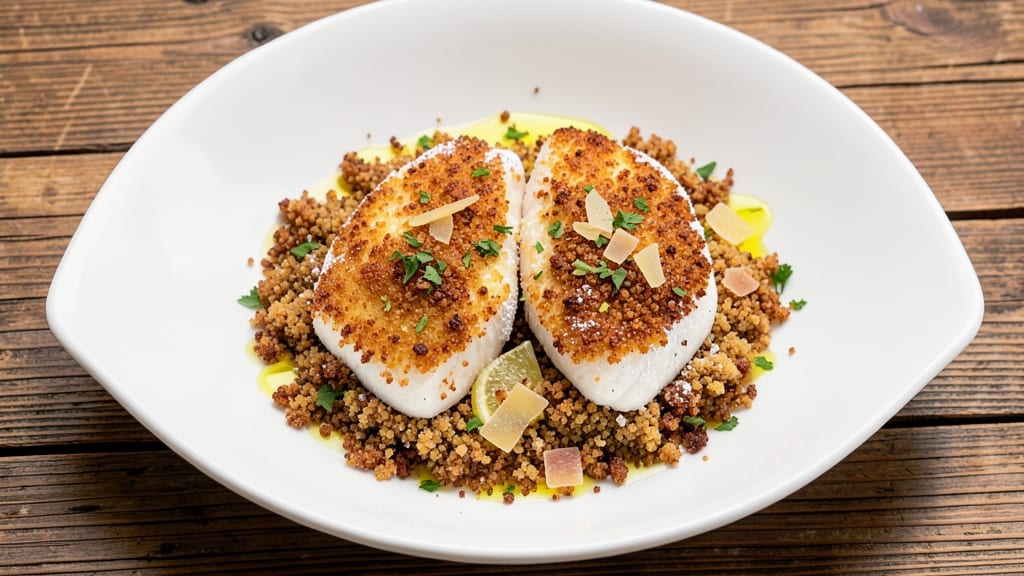
This parmesan cheese fish recipe delivers the perfect balance of crispy crust and melted cheese magic that transforms simple weeknight dinners into restaurant-worthy meals.
The secret lies in a precise technique that creates a golden, shatteringly crisp exterior while keeping the fish tender inside—all thanks to a well-balanced parmesan breadcrumb mixture that becomes irresistibly cheesy when baked.
I’ve perfected this method over countless test batches, ensuring every bite delivers that satisfying contrast of textures and flavors.
The beauty of this recipe is its versatility—whether you prefer baking, pan-searing, or grilling your fish, the parmesan topping adapts seamlessly to any cooking method. The key ingredients are simple: fresh fish fillets, high-quality parmesan, breadcrumbs, and a touch of seasoning, but the results are anything but ordinary.
This isn’t just another fish recipe; it’s a technique that elevates even the most basic ingredients into something extraordinary, with a crispy crust that holds its shape and a melted cheese layer that clings perfectly to every bite.
What you’ll achieve is a dish that’s as impressive to serve as it is delicious to eat—golden-brown edges that crackle with every bite, a tender fish center that melts in your mouth, and a blanket of gooey parmesan that ties everything together.
The aroma alone will have everyone gathering around the table, and the first taste will have them asking for seconds. This recipe is designed to impress, whether you’re hosting a dinner party or simply treating yourself to a special meal at home.
Pair it with a fresh arugula salad, roasted asparagus, or a simple lemon risotto to complete the dish. The crispy parmesan crust stands up beautifully to bold flavors, making it a versatile addition to any menu. Ready to master this technique? Let’s get started—your taste buds will thank you.
Ingredients for parmesan cheese fish
Four pieces of fish, a handful of pantry staples, and one secret technique for restaurant-quality results.
| Ingredient | Amount | Notes |
|---|---|---|
| White Fish Fillets 🐟 | 4 pieces | 6-8 oz each, skinless preferred |
| All-Purpose Flour 🌾 | ½ cup | For dredging fish fillets |
| Parmesan Cheese 🧀 | 1 cup | Freshly grated, block preferred |
| Panko Breadcrumbs 🍞 | ¾ cup | For extra crispiness |
| Large Eggs 🥚 | 2 whole | Beaten for egg wash |
| Garlic Powder 🧄 | 1 tsp | Freshly ground preferred |
| Dried Parsley 🌿 | 1 tsp | Or 1 tbsp fresh chopped |
| Lemon Zest 🍋 | 1 tsp | Freshly grated |
| Kosher Salt 🧂 | 1 tsp | Fine grain preferred |
| Ground Black Pepper 🌶️ | ½ tsp | Freshly ground |
| Olive Oil 🫒 | 2 tbsp | Extra-virgin for richness |
| Butter 🧈 | 2 tbsp | Unsalted, melted |
| Lemon Juice 🍋 | 1 tbsp | Freshly squeezed |
The fish is non-negotiable—firm white fillets like cod, halibut, or mahi-mahi hold their shape best. Whole Foods or your local fishmonger carry the freshest cuts, but the frozen section at Trader Joe's works in a pinch. Look for fillets with a vibrant color and no fishy odor—that’s your quality indicator. Pat them dry before coating; moisture is the enemy of crispiness. For the Parmesan, grate it yourself from a wedge—pre-grated cheese lacks the sharpness and melts unevenly. If you’re using frozen fish, thaw it overnight in the fridge, never under running water.
No panko breadcrumbs? Crush regular bread into fine crumbs—toast them in a dry pan for 2-3 minutes to enhance flavor. Short on fresh parsley? Dried works at one-third the amount, but fresh adds brightness. The lemon zest can be substituted with 1 tbsp lemon extract if you’re in a bind, though fresh zest is ideal. For extra crunch, mix 1 tbsp crushed cornflakes into the breadcrumb mixture. If you’re grilling instead of baking, reduce the breadcrumbs by 1/4 cup—direct heat creates crispiness differently. The butter in the final wash? Don’t skip it—it’s what creates that signature golden crust.
Prep ahead for foolproof results. Coat the fish and store in the fridge for up to 4 hours before cooking—this lets the seasonings adhere better. The breaded fillets can be frozen on a tray before baking for up to 1 month; thaw in the fridge overnight. Leftovers? Reheat at 350°F for 5-7 minutes—they won’t be as crispy but still delicious. The Parmesan topping reheats beautifully, so double the batch if you’re feeding a crowd. Serve immediately for that restaurant-worthy crunch—every minute counts once it comes out of the oven.
Why You'll Love This Recipe
- Crispy in Minutes: I swear, the panko and parmesan combo gives you that perfect crunch in just 10 minutes of baking—no frying mess, no waiting forever. The flour and egg step takes all of 5 minutes, and honestly? That’s my kind of dinner.
- Umami Bomb: That grated parmesan isn’t just for looks—it melts into the fish like a flavor explosion, while the panko adds this salty, toasty punch. Between us, the first bite makes me forget I was planning to order takeout.
- Lunchbox Hero: Between us, this is my go-to for lunches—just bake a batch on Sunday, and you’ve got crispy, protein-packed meals for the week. My kids grab them cold or reheated, and they never complain (okay, almost never).
- Budget Crunch: White fish fillets are cheap, and a little parmesan goes a long way—this feeds four for under $15. Leftovers? Even better. I freeze them in single servings, and they reheat like they’re fresh out of the oven.
Step-by-step instructions for parmesan cheese fish
Here's how to achieve that perfect balance of crispy crust and melted cheese every time.
Prepare the Crispy Crust Mixture
In a shallow bowl, combine the 0.5 cup all-purpose flour, 1 tsp kosher salt, 0.5 tsp ground black pepper, 1 tsp garlic powder, and 1 tsp dried parsley. Mix well to distribute the seasonings evenly. In another bowl, whisk together the 2 whole large eggs until fully combined. Add the 1 tsp lemon zest and stir gently to incorporate.
In a third bowl, create the crispy crust by mixing the 1 cup freshly grated parmesan cheese with the 0.75 cup panko breadcrumbs. The panko should be lightly toasted in a dry skillet for 30 seconds over medium heat before mixing to enhance its crispiness. This three-station setup keeps your ingredients organized and prevents cross-contamination.
Dredge and Bread the Fish Fillets
Pat each of the 4 pieces white fish fillets dry with paper towels, removing any excess moisture from the surface. This step is crucial for achieving that crispy crust. Starting with the flour mixture, lightly coat each fillet on both sides, shaking off any excess. The flour should adhere evenly without forming a thick layer.
Immediately transfer each floured fillet to the beaten egg mixture, allowing the egg to coat the surface completely. Let any excess egg drip off before placing the fillet into the parmesan-panko mixture. Press gently to ensure full coverage, particularly on the edges where the crust tends to be thinner. Work with one fillet at a time to maintain even coating.
Cook the Fish to Golden Perfection
Heat 1 tablespoon of the 2 tablespoons olive oil in a large skillet over medium heat until shimmering. Add the 2 tablespoons butter and allow it to melt completely, creating a rich cooking medium. Place the breaded fish fillets in the skillet, leaving space between each piece to ensure even cooking. Cook for 3 to 4 minutes per side until the crust is golden brown and crispy.
You'll know the fish is ready when the crust turns a deep golden color and the edges lift easily from the pan. Avoid pressing down on the fillets, as this can cause the crust to break apart. Once cooked, transfer the fish to a paper towel-lined plate to drain any excess oil. Keep the skillet warm for the final step.
Finish with Lemon and Serve Immediately
Return the cooked fish fillets to the skillet and drizzle the 1 tablespoon lemon juice evenly over the top. Tilt the skillet slightly to ensure the lemon juice reaches all surfaces. Cook for an additional 30 seconds to allow the lemon to infuse into the crust and melt any remaining parmesan.
The result should be fish with a golden, crispy crust that contrasts beautifully with the tender, flaky interior. Serve immediately while the crust is at its peak crispiness. Pair with a simple lemon wedge or a fresh salad to complement the rich flavors of the parmesan and lemon.
Pro Tips For Making Parmesan Cheese Fish
- PAT THE FISH DRY: DESCRIPTION: No one likes soggy crusts, and that starts with the fish. Grab paper towels and press hard—really, squeeze out every drop of moisture before dredging. I used to skip this, and my panko would clump like a sad, greasy snowball instead of forming that perfect golden shield.
- USE COLD EGGS: DESCRIPTION: Crack those eggs straight from the fridge into a shallow bowl—no need to warm them up. Cold eggs create a thicker, more stable coating that won’t slide off when you flip. (Yes, even if you’re impatient like me, just let them sit for 5 minutes while you prep the rest.)
- DOUBLE-DREDGE FOR CRUST: DESCRIPTION: Flour first, egg wash second, then panko—then back into the egg wash before the final panko layer. This isn’t just extra work; it’s the thing that makes the crust actually stick. Skip it, and you’ll end up with half your breadcrumbs floating in the fryer like confetti.
- FRIED IN BATCHES: DESCRIPTION: Crowd the pan, and your fish will steam instead of sizzle. Work in small batches—two or three pieces max—so the oil stays hot and the panko gets crispy, not greasy. I learned this the hard way after a kitchen that smelled like regret for 20 minutes.
Pro cooking tips for this dish
Perfect Pan Temperature
Use a heavy-bottomed skillet like All-Clad or Lodge cast iron to maintain even heat distribution. Preheat your pan over medium heat for 2-3 minutes before adding the fish—this ensures the crust forms immediately upon contact.
I’ve found that 350°F is the ideal internal temperature for the fish when it’s done, but your pan should be hotter than that to achieve the crispy crust. 🌡️
Double-Crust Technique
For extra crunch, bread your fish twice: first coat with flour and egg, then press into the parmesan-panko mixture, and finally dip again in beaten egg before the final breading.
This creates a thick, shatteringly crisp crust that holds up beautifully. I use a wire whisk to gently tap excess egg off between coatings to prevent sogginess.
Butter Matters
Never skip the butter—it’s what creates that golden, caramelized crust. Use unsalted butter and melt it completely in the pan before adding the fish.
I like to add a splash of lemon juice to the butter while it melts for an extra layer of brightness that infuses into the crust during cooking.
Resting Time
Let your fish rest on a wire rack for 2-3 minutes after cooking to allow any residual moisture to evaporate. This prevents the crust from becoming soggy when you serve it.
I place a sheet pan underneath the rack to catch any drippings—this keeps your cooking area clean and makes cleanup easier. 💡
Oven Alternative
For a hands-off approach, bake the breaded fillets at 425°F for 10-12 minutes on a parchment-lined baking sheet. Spray the parchment with cooking spray to prevent sticking. I recommend placing the fish on the top rack for even heat circulation, which helps create that golden crust without overcooking the fish.
Lemon Zest Boost
Fresh lemon zest adds a bright, aromatic note that cuts through the richness of the parmesan. If you’re short on time, use ½ tsp lemon extract mixed with ½ tsp water as a substitute, but fresh zest is always better.
I like to zest directly over the egg mixture to capture every bit of citrus flavor. 🍋
Nutrition facts
Frequently asked questions
Can I use this parmesan crust on other seafood besides fish?
Shrimp, scallops, and even calamari work beautifully with this technique. For shrimp, use 12-15 large shrimp per batch and reduce cooking time to 1-2 minutes per side. Scallops should be seared for just 2 minutes on each side to avoid overcooking. The parmesan-panko mixture adds incredible texture to any delicate seafood.
How do I keep the crust from falling off?
Pat the fish completely dry before coating—moisture is the #1 enemy of crispy crusts. Also, work quickly between stations (flour → egg → breadcrumbs) to prevent sogginess. For extra adhesion, chill the breaded fillets for 15-20 minutes before cooking. This helps the coating set properly.
What's the best fish for this recipe?
Firm white fish work best: cod, halibut, or mahi-mahi hold their shape perfectly. Avoid delicate fish like tilapia—they can fall apart with the crispy coating. For a budget option, try pollock or haddock, which are affordable yet still firm enough for this technique.
Can I make this recipe ahead of time?
Yes! Bread the fish up to 4 hours ahead and refrigerate uncovered on a wire rack. For longer storage, freeze the breaded fillets on a tray before transferring to a bag (up to 1 month). Thaw in the fridge overnight. Cook immediately after thawing for best results—the crust won't be as crispy if reheated.
How do I make this dish vegetarian?
Swap the fish for extra-firm tofu or king oyster mushrooms, sliced into fillets. Press the tofu first to remove excess water, then follow the same coating process. Bake at 400°F for 15-18 minutes** instead of pan-searing. The parmesan crust works perfectly on both plant-based proteins!