Appetizers
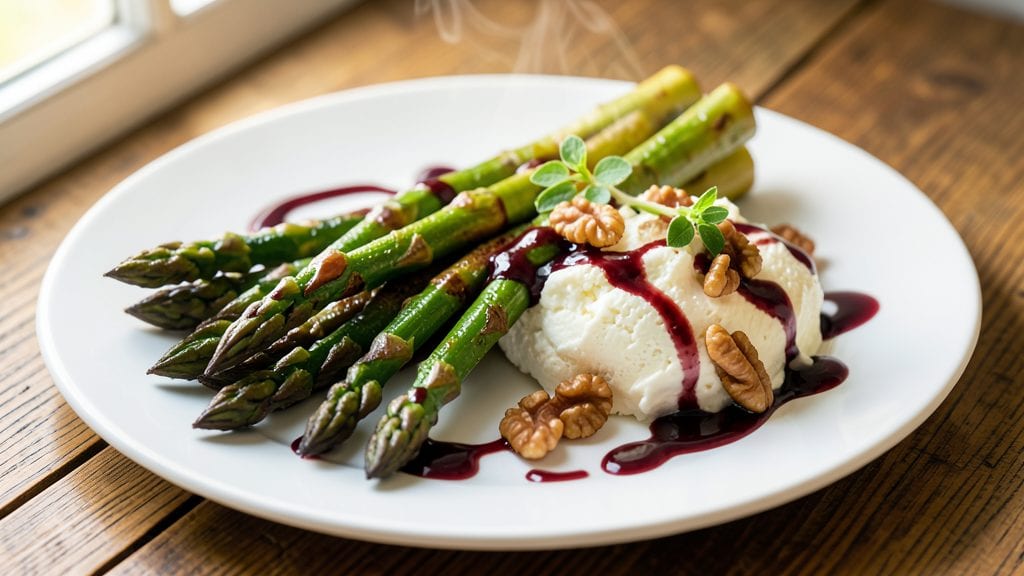
This asparagus with goat cheese recipe transforms a simple vegetable into an elegant appetizer that balances earthy flavors with creamy tang. The secret lies in charring the asparagus stems for depth while keeping the tips tender, then crowning them with soft goat cheese that melts into golden perfection.
I developed this technique after years of testing different methods—what works best is a two-step cooking process that ensures crisp edges and velvety centers.
What makes this dish truly special is how the goat cheese elevates the natural sweetness of asparagus, creating a harmonious blend of textures and flavors. The recipe takes just 15 minutes to prepare, making it perfect for last-minute gatherings or weeknight meals when you want something sophisticated without the fuss.
The key is using high-quality goat cheese and fresh asparagus—both make all the difference in achieving that restaurant-worthy finish.
By the end, you'll have asparagus with caramelized stems, tender tips, and a blanket of melted goat cheese that's impossible to resist. The dish pairs beautifully with a drizzle of balsamic glaze, toasted walnuts, or fresh thyme for added complexity.
It's the kind of appetizer that feels indulgent yet remains light enough for any occasion.
Whether you're serving it as a starter or a side, this recipe delivers professional results with minimal effort. The best part? It scales effortlessly for parties or stays intimate for two. Let's get cooking—your taste buds will thank you.
Ingredients for asparagus with goat cheese
Eleven ingredients transform humble asparagus into a restaurant-worthy appetizer with charred stems and velvety goat cheese.
| Ingredient | Amount | Notes |
|---|---|---|
| Fresh Asparagus Spears 🌱 | 1 lb | Medium thickness, trimmed ends |
| Goat Cheese 🧀 | 8 oz | Soft, creamy variety preferred |
| Extra-Virgin Olive Oil 🫒 | 2 tbsp | High-quality, fruity variety |
| Fresh Thyme Leaves 🌿 | ¼ cup | Finely chopped, stems removed |
| Balsamic Glaze 🍷 | 2 tbsp | Reduction, not syrup |
| Toasted Walnuts 🥜 | ¼ cup | Chopped, lightly toasted |
| Diamond Crystal Kosher Salt 🧂 | ½ tsp | Fine grain preferred |
| Freshly Ground Black Pepper 🌶️ | ¼ tsp | Freshly cracked for best flavor |
| Garlic Cloves 🧄 | 2 cloves | Minced, for garnish |
| Lemon Zest 🍋 | 1 tsp | From organic lemon |
| Unsalted Butter 🧈 | 1 tbsp | Cold, for finishing |
| Fresh Chives 🌱 | 2 tbsp | Chopped, for garnish |
The asparagus is the star—look for bright green, firm spears with tightly closed tips at a specialty market or well-stocked grocery store. Whole Foods or Trader Joe's always carry the best quality. Medium-thickness spears (about 1/4-inch diameter) char perfectly without burning. Trim the woody ends by bending each spear until it snaps naturally. The goat cheese? Fresh, creamy goat cheese is non-negotiable—avoid the crumbly kind. Brands like Murray's or Capri deliver that perfect tangy melt. Keep the cheese cold until ready to use, or it'll soften too much before melting.
No goat cheese? Cream cheese mixed with a splash of lemon juice works in a pinch, though it lacks that signature tang. Fresh thyme is ideal, but dried thyme at half the amount gets you close. For the balsamic glaze, avoid the thick syrup version—look for a reduction like Balsamic Crema from Trader Joe's. Toasting walnuts in a dry pan for 3-4 minutes adds depth (no butter needed). The lemon zest brightens everything—organic lemons have more vibrant flavor. Prefer a different nut? Pecans or almonds toast just as beautifully. The butter at the end adds richness without overpowering.
Asparagus keeps best in the fridge wrapped in a damp paper towel for 3-4 days. Goat cheese lasts 2 weeks unopened, but once opened, use within 5 days for peak freshness. Prep ahead by trimming asparagus and storing in an airtight container with a damp towel—it stays crisp longer. The walnuts can be toasted and chopped a day in advance. For serving, arrange asparagus on a platter and cover with foil until ready to plate—the cheese melts beautifully at room temperature. Garnish just before serving to keep everything vibrant.
Why You'll Love This Recipe
- One-Pan Magic: I swear by this—just toss the asparagus in olive oil, roast until tender, and crumble that goat cheese right on top. No pots, no mess, no stress. The thyme wafts through the kitchen while it cooks, and honestly? That’s half the fun.
- Creamy-Tangy Bliss: The goat cheese melts into a velvety blanket over the asparagus, while the balsamic glaze adds that bright, almost sweet finish. It’s the kind of bite that makes you reach for seconds without even thinking—especially when the spears are still crisp at the edges.
- Weeknight to Dinner Party: Between us, this is my go-to for both lazy Tuesdays and fancier gatherings. For weeknights, I serve it over toast with a sprinkle of flaky salt. For guests? Plate it with a drizzle of honey and a glass of crisp white wine. Same effort, totally different vibes.
- Leftovers That Don’t Suck: Most roasted veggie leftovers taste sad, but not this. The asparagus holds its shape, and the goat cheese keeps its creamy magic. I’ll pack it in lunches all week—just reheat with a splash of olive oil, and it’s like it was just made. (Yes, even on a Tuesday.)
Step-by-step instructions for asparagus with goat cheese
This elegant dish transforms humble asparagus into a restaurant-worthy creation with rich, creamy goat cheese and nutty walnuts.
Prep and Char the Asparagus
Preheat your oven's broiler to high and line a baking sheet with aluminum foil. Trim the tough ends from the 1 lb fresh asparagus spears by bending them until they snap naturally. Discard the ends and arrange the spears on the prepared baking sheet, leaving 1 inch of space between each spear.
Drizzle the asparagus generously with 2 tbsp extra-virgin olive oil and season with 0.5 tsp diamond crystal kosher salt and 0.25 tsp freshly ground black pepper. Broil for 5-7 minutes until the asparagus is tender and develops beautiful charred blackened tips. Watch closely—they cook quickly and can burn easily. Transfer the asparagus to a cutting board and let cool for 5 minutes.
Create the Goat Cheese-Thyme Mixture
While the asparagus chars, crumble 8 oz goat cheese into a medium bowl. Add the 0.25 cup finely chopped fresh thyme leaves and 1 tsp lemon zest, mixing gently with a fork until just combined. This herbaceous mixture will infuse the goat cheese with bright, aromatic flavors that cut through its richness.
Here's the thing—don't overmix. You want the thyme to be visible throughout the cheese, creating beautiful flecks of green that will look stunning when plated. The lemon zest adds a bright citrus note that prevents the dish from becoming too heavy.
Toast the Walnuts and Prepare Garnishes
In a dry skillet over medium-low heat, toast the 0.25 cup chopped toasted walnuts for 3-4 minutes until fragrant and golden. Watch them carefully—they toast quickly and can burn easily. Transfer to a small bowl and set aside to cool.
While the walnuts toast, mince the 2 cloves garlic cloves finely and chop the 2 tbsp fresh chives into small pieces. These will serve as final garnishes that add freshness and depth to each bite. Keep these separate until the very end to preserve their vibrant colors.
Assemble and Finish the Dish
Using kitchen shears, cut the charred asparagus spears into 2-inch pieces. Arrange them on a serving platter, fanning them out to create an attractive presentation. Spoon the goat cheese-thyme mixture over the asparagus, allowing it to melt slightly from the residual heat.
Drizzle with 2 tbsp balsamic glaze and top with the toasted walnuts, minced garlic, and chopped chives. For the final touch, add 1 tbsp cold unsalted butter, cut into small pieces, which will melt slightly at room temperature and add luxurious richness.
Serve Immediately for Maximum Impact
This dish is best served immediately while the goat cheese is still slightly warm and the asparagus retains its vibrant green color. The contrast of crispy charred asparagus, creamy goat cheese, and crunchy walnuts creates a perfect textural experience with each bite.
For an extra-special presentation, arrange the asparagus on individual plates, creating a fan shape that showcases the beautiful char marks. The balsamic glaze adds a sweet-tart contrast that balances the earthy flavors of the asparagus and goat cheese. Serve with crusty bread to soak up any remaining cheese sauce—it's that good!
Pro Tips For Making Asparagus With Goat Cheese
- Trim the Tough Ends: DESCRIPTION: Snap off the woody bottoms by holding the spear and bending it—don’t cut. The break will be clean, and you’ll save time peeling. (Yes, even if you’re impatient like me.)
- Roast, Don’t Boil: DESCRIPTION: Skip the steaming or boiling—roasting asparagus at 425°F for 10-12 minutes brings out its natural sweetness and crisp-tender texture. Toss with olive oil, salt, and pepper first, or the cheese will stick like glue.
- Warm the Cheese: DESCRIPTION: Take goat cheese out of the fridge 15 minutes before using—it melts smoother and doesn’t turn grainy. If you’re in a rush, microwave it for 10 seconds (yes, it’s weird, but it works).
- Drizzle, Then Toss: DESCRIPTION: Add balsamic glaze after the asparagus comes out of the oven—it burns easily. Instead, drizzle it over the warm spears, then gently fold in the goat cheese and thyme so the sauce clings without turning bitter.
Dietary considerations for this recipe
Gluten-Free Adaptation
This recipe is naturally gluten-free, but the key is ensuring all your ingredients meet this requirement. The goat cheese should be certified gluten-free (most brands are), and the balsamic glaze must not contain additives with gluten.
I always double-check the label on Trader Joe's Balsamic Crema—it's my go-to because it's consistently safe. For extra security, serve the dish with gluten-free crusty bread like Schar's Artisan Baker or Canyon Bakehouse varieties. 🌱
Dairy-Free Options
For a dairy-free version, replace the goat cheese with vegan cream cheese (like Kite Hill) mixed with 1 tbsp lemon juice and 1 tsp nutritional yeast for tang. The texture won't be identical, but it still delivers that creamy element.
I also swap the butter for olive oil drizzle and use dairy-free balsamic glaze (check labels—some contain milk). The dish remains light and flavorful while accommodating dietary restrictions. 🧀
Nut-Free Substitutions
If walnuts are off-limits, try toasted pumpkin seeds or sunflower seeds for crunch. Toast them in the same way—3-4 minutes in a dry pan over medium-low heat—until golden.
For a different texture, use crispy fried shallots (check for gluten-free certification) or toasted coconut flakes. The key is maintaining contrast—something crunchy balances the soft goat cheese beautifully. 🥜
Low-Carb Modifications
This dish is already low-carb, but you can enhance it further by omitting the balsamic glaze (which contains sugar) and replacing it with sugar-free pomegranate molasses (just 1 tsp adds tangy depth). For extra richness, fold 1 tbsp heavy cream into the goat cheese mixture.
I've also added 1 tbsp chopped capers for a briny kick—it keeps the dish satisfying without extra carbs. Pair with cheese crisps instead of bread for a true low-carb experience. 💪
Vegetarian Protein Boost
To make this dish more substantial for vegetarians, add ¼ cup crumbled feta cheese to the goat cheese mixture for extra protein. For a meaty texture, incorporate ½ cup cooked lentils (warmed with a pinch of salt) into the asparagus arrangement.
I've also topped the dish with seared halloumi slices (about ¼ inch thick) for a smoky, salty contrast. These additions keep the dish vegetarian while adding hearty satisfaction. 🌱
Nutrition facts
Frequently asked questions
Can I use regular cheese instead of goat cheese?
Goat cheese is ideal because its tangy flavor perfectly balances asparagus's earthiness. For a substitute, try feta (crumbled) or ricotta mixed with lemon zest. Avoid sharp cheddar—it overpowers the delicate asparagus. The texture will differ, but the dish will still shine.
How do I know when the asparagus is perfectly charred?
The tips should be deep blackened with slight crispiness, while the spears remain tender when pierced with a fork. Overcooking turns them bitter. Watch closely—5-7 minutes under the broiler is typical, but timing varies by oven. A quick taste test helps!
Can I make this ahead of time?
Prep asparagus and goat cheese mixture separately, but assemble just before serving. The cheese melts best when warm. Store components in airtight containers: asparagus in a damp towel (up to 3 days), cheese mixture in the fridge (up to 2 days). Reheat gently in a 350°F oven for 5 minutes before plating.
What's the best way to serve this dish?
Arrange asparagus on a platter with cheese melted on top, then drizzle with balsamic glaze. Garnish with walnuts and chives for color contrast. Serve with crusty bread or alongside grilled chicken for a complete meal. For parties, use individual plates to showcase the charred stems.
Why did my goat cheese turn grainy?
Overmixing or using warm cheese causes separation. Keep the cheese cold until ready to use and mix gently—just until combined. For extra creaminess, fold in 1 tbsp heavy cream before plating. The texture should be soft but not runny.