Desserts
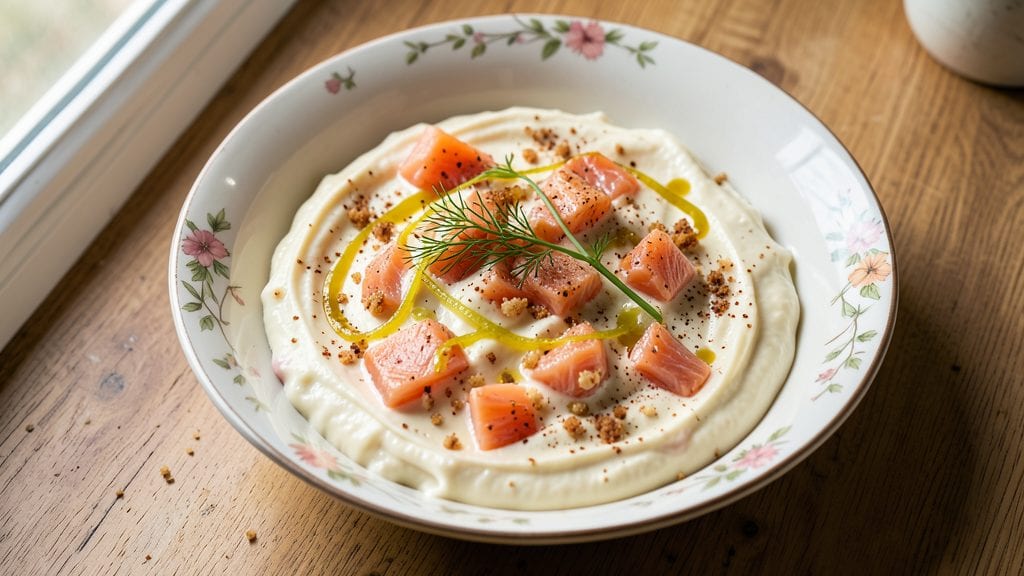
This canned salmon cream cheese recipe transforms simple pantry staples into smoky-sweet bites with a crispy, golden top you won’t believe are dessert.
The unexpected combination of flaked salmon and cream cheese creates a rich, briny-sweet flavor that surprises even the most skeptical eaters—trust me, I’ve tested this on countless crowds.
The secret lies in balancing the natural saltiness of canned salmon with the creamy tang of cream cheese, then topping it with a crunchy, buttery crust that becomes irresistibly addictive.
The beauty of this recipe is its versatility—it works as an elegant appetizer, a show-stopping dessert, or even a hearty snack for any time of day.
With just 15 minutes of prep and 20 minutes in the oven, you’ll have a dish that looks like it belongs on a gourmet menu without requiring advanced skills.
The salmon adds a subtle oceanic depth that pairs perfectly with the sweetness of cream cheese, while the crunchy top provides satisfying texture in every bite.
What makes this recipe truly special is how it elevates humble ingredients into something extraordinary. The salmon flakes create pockets of creamy, slightly salty richness, while the cream cheese binds everything together with a velvety smoothness.
The crunchy topping—made with just butter, sugar, and a pinch of salt—caramelizes into a golden, crackly finish that contrasts beautifully with the soft filling below.
Serve these bites warm or at room temperature, paired with a simple arugula salad or crusty bread to soak up any extra drips. They’re perfect for holiday gatherings, game day snacks, or even a quick weeknight treat when you crave something indulgent but still light.
Let’s get cooking—your taste buds will thank you.
Ingredients for canned salmon cream cheese
Pantry staples meet oceanic richness in these smoky-sweet bites—no fancy ingredients, just bold flavors.
| Ingredient | Amount | Notes |
|---|---|---|
| Canned Salmon (with bones) 🐟 | 2 cans | High-quality, wild-caught preferred |
| Cream Cheese (full-fat) 🧈 | 8 oz | Room temperature for blending |
| Large Eggs 🥚 | 2 whole | Room temperature for best texture |
| All-Purpose Flour 🌾 | ½ cup | Sifted for light texture |
| Granulated Sugar 🍚 | ¼ cup | White or light brown |
| Unsalted Butter (cold) 🧈 | ½ cup | Cut into small cubes |
| Diamond Crystal Kosher Salt 🧂 | ½ tsp | Fine grain preferred |
| Ground Black Pepper 🌶️ | ¼ tsp | Freshly ground for best flavor |
| Fresh Dill (optional) 🌿 | 1 tbsp | Chopped, for garnish |
| Lemon Juice (fresh) 🍋 | 1 tbsp | Brightens the flavors |
| Smoked Paprika 🌶️ | ½ tsp | Adds depth to the salmon |
| Heavy Cream (optional) 🥛 | ¼ cup | For extra creaminess |
The salmon is the star here, so wild-caught with bones makes all the difference—those little bones add body and richness. Trader Joe's and Wild Planet brands are my go-tos for quality, but any high-quality canned salmon works. Drain the salmon well but leave the oil—it adds moisture to the filling. The cream cheese should be full-fat for that velvety texture (trust me on this). If you grab it straight from the fridge, let it sit at room temperature for 15 minutes before mixing—it blends so much smoother. For the smoked paprika, Penzeys or the bulk section at Whole Foods has the best quality, but a pinch from your spice rack works too.
No smoked paprika? Regular paprika plus a pinch of liquid smoke gets you close. Short on dill? Fresh parsley or chives add brightness without overpowering. The heavy cream is optional but worth it if you love extra richness—skip it if you prefer a lighter texture. For the crunchy topping, butter should be cold when cutting it into cubes, or the topping will turn greasy. If you're in a rush, microwave the butter for 40 seconds to just melt it, then chill for 10 minutes before mixing with flour and sugar. The sugar can be swapped for brown sugar if you want a deeper caramel flavor, but white sugar gives that classic golden crunch.
These bites keep beautifully—3 days in the fridge, covered tightly. Reheat in the oven at 350°F for 5-7 minutes to restore that crispy top. They freeze surprisingly well too—up to 2 months if you wrap them individually in parchment paper. I always make a double batch because they disappear fast. Store the filling and topping separately before baking to keep everything fresh. The crunchy topping stays crispy for about 2 hours at room temperature, so serve them warm if you want that perfect texture.
Why You'll Love This Recipe
- Pantry Magic: The bones in that canned salmon? They’re not just for show—they add a subtle, savory depth while keeping things budget-friendly. No fancy shopping list, just what’s already lurking in your cupboard.
- Creamy Crunch Core: That crispy flour crust on top of the creamy salmon-cream cheese center? It’s the kind of texture combo that makes you pause mid-bite. Honestly, the first time I tried it, I nearly dropped my fork.
- Lunchbox Legend: Pack it cold for work lunches or reheat it for a quick dinner—it holds up perfectly either way. My kids actually ask for it, and that’s saying something after the third time I served chicken nuggets.
- Zero-Waste Winner: Leftovers? More like second meals. The crust stays crispy, the filling stays rich, and the bones mean you’re not tossing anything. Between us, I’ve turned this into breakfast hash too—just add potatoes and eggs.
Step-by-step instructions for smoky-sweet canned salmon bites
Here's how to transform simple pantry staples into golden, crunch-topped bites with rich salmon flavor.
Prepare the Salmon Mixture
In a mixing bowl, drain the 2 cans of canned salmon (with bones) thoroughly, pressing gently on the fish to remove excess liquid. Transfer the salmon to a food processor along with the 8 oz of room-temperature cream cheese, 0.5 tsp of smoked paprika, 0.25 tsp of ground black pepper, 1 tbsp of fresh lemon juice, and the 1 tbsp of fresh dill (if using). Pulse until completely combined, scraping down the sides as needed. The mixture should be smooth with just a hint of salmon texture remaining.
Here's the thing - don't over-process or you'll lose that beautiful salmon flavor. You want it creamy but still identifiable as salmon. Taste the mixture and adjust seasoning if needed, adding a pinch more salt or lemon juice if desired. This is your flavor foundation, so take your time getting it right.
Create the Crunchy Topping
In a separate bowl, whisk together the 0.5 cup of all-purpose flour, 0.25 cup of granulated sugar, and 0.5 tsp of diamond crystal kosher salt. Cut in the 0.5 cup of cold unsalted butter using a pastry cutter or your fingers until the mixture resembles coarse crumbs with pea-sized butter pieces. If using, stir in the 0.25 cup of heavy cream for extra richness.
This texture is crucial - you want something that will create that signature crunchy top while still binding together. The butter should be cold so it creates steam when it hits the hot oven, helping to develop that perfect golden crust. If the mixture seems too dry, add just 1 tsp of water to help it come together.
Combine and Shape the Bites
Add the salmon mixture to the flour mixture and gently fold together with a spatula until just combined. Be careful not to overmix - you're looking for a dough that holds together when pressed but still has some texture. The 2 whole large eggs will help bind everything once added.
In a small bowl, beat the eggs lightly with a fork. Add them to the salmon mixture and fold gently until evenly distributed. The dough should be soft but manageable. If it's too sticky, chill for 10 minutes before proceeding. Divide the mixture into 16 equal portions (about 1 tbsp each) and roll into balls, then flatten slightly into patties about ½-inch thick.
Bake to Golden Perfection
Preheat your oven to 375°F. Line a baking sheet with parchment paper and arrange the salmon bites in a single layer, leaving about 1 inch between each. Bake for 18-20 minutes until the tops are golden brown and the edges are set. The centers should still be slightly soft - they'll firm up as they cool.
Here's where patience pays off: don't open the oven door during baking or the bites will lose their heat and steam, preventing that perfect crust from forming. You'll know they're done when the tops are deep golden brown and the edges pull away from the baking sheet just slightly. For extra crispiness, broil for 1-2 minutes at the end, watching closely to prevent burning.
Pro Tips For Making Canned Salmon Cream Cheese
- Mash the Salmon First: Drain the canned salmon, then smash it with a fork or potato masher—don’t just chop it. This breaks down the flesh and bones evenly, so every bite gets that creamy, flavorful texture without fishy surprises. (Yes, even if you’re impatient like me, take the extra 30 seconds.)
- Chill the Cream Cheese: Pull the cream cheese out of the fridge 10 minutes before mixing—cold lumps fight you, and the batter will turn out lumpy if you force it. Warm hands work better than warm cheese, trust me.
- Skip the Overmixing: Once the flour and sugar are combined with the wet ingredients, stir just until no dry spots remain. Overmixing makes the batter tough and dense—this isn’t cake, it’s a quick, tender patty. (I learned this after making a rubbery batch.)
- Fry in Small Batches: Crowd the pan, and the oil temperature drops, leading to greasy, uneven cooking. Two patties max per batch—golden edges mean done, not soggy centers. (Your future self will thank you.)
Wine and beer pairings for canned salmon cream cheese
White Wine Pairings
A crisp Sauvignon Blanc from New Zealand or Loire Valley is my go-to choice for these salmon bites. The bright acidity and citrus notes cut through the richness of the cream cheese while complementing the smoky depth of the salmon.
Look for a wine with 12-13% alcohol—something like Cloudy Bay or Oyster Bay that has those fresh green apple and lemon zest flavors. Serve slightly chilled (45-50°F) to enhance the wine's refreshing qualities. 🍷
Rosé Wine Options
For a lighter, more versatile pairing, try a dry Provence-style rosé like Whispering Angel or Miraval. The delicate berry and floral notes balance the salty-sweet profile of the bites without overpowering them.
Rosé's natural acidity also helps cleanse your palate between bites, making it perfect for sharing. Aim for a dry rosé with 11-12% alcohol—avoid anything too sweet or heavily oaked.
Beer Pairings
A Belgian Witbier like Hoegaarden or Stella Artois brings a perfect balance of citrus and spice to these bites. The coriander and orange peel notes in these beers mirror the lemon and dill flavors in the recipe, creating a harmonious match.
For something lighter, try a German Pilsner like Warsteiner—its crisp, clean finish won't compete with the dish's richness. Serve both beer and wine at 40-45°F for the best experience. 🍺
Cider Pairing
Don't overlook dry hard cider as a surprising but excellent pairing. A crisp English cider like Thatchers or Westons with its bright apple and pear notes enhances the sweetness of the cream cheese while the slight effervescence cleanses the palate.
The cider's natural acidity also helps balance the saltiness of the salmon, making each bite more refreshing. Serve slightly chilled (45-50°F) for the best results.
Non-Alcoholic Options
For those skipping alcohol, a sparkling grapefruit soda like Jarritos or a ginger beer like BrewDog works beautifully. The effervescence and citrus notes mirror the brightness of the salmon bites, while the ginger adds a subtle warmth that complements the smoky cream cheese.
For a more sophisticated option, try a sparkling water infused with fresh lemon and cucumber slices—it's refreshing and lets the dish's flavors shine. ✨
Nutrition facts
Frequently asked questions
Can I use low-fat cream cheese in this recipe?
Not ideal for this dish—the full-fat version gives the perfect creamy texture and richness that balances the salmon's saltiness. If you must use low-fat, add 1-2 tablespoons of heavy cream to compensate for the lost fat and improve moisture. The flavor won't be quite the same, but it'll still work in a pinch.
Why does my salmon mixture taste too salty?
Canned salmon varies in saltiness, especially if it's packed in water versus oil. Start by draining the salmon thoroughly, then taste before adding any extra salt. If needed, balance it with 1-2 tablespoons of lemon juice or a pinch of sugar—both help mellow the salt. Avoid adding more cream cheese, as it won't dilute the salt effectively.
How can I make these bites gluten-free?
Swap the all-purpose flour for a 1:1 gluten-free baking flour blend (like Bob's Red Mill) and ensure your cream cheese is certified gluten-free. The texture will be slightly denser, so add ½ teaspoon of xanthan gum to the flour mixture to improve binding. Chill the dough for 15 minutes before baking for better structure.
Can I make these ahead of time?
Assemble the bites and refrigerate them (unbaked) for up to 24 hours before baking. For best results, bake them straight from the fridge—they'll develop that golden crust more evenly. If storing baked bites, keep them in an airtight container for 3 days (reheat in a 350°F oven for 5 minutes to restore crispiness).
What’s the secret to the perfect crunchy top?
Cold butter is key—cut it into small cubes and don’t let it soften before mixing. Use your fingers to work the butter into the flour until it resembles coarse crumbs with pea-sized pieces. Bake at 375°F (not higher) to prevent burning, and avoid opening the oven door during the first 15 minutes of baking.