Sauces & Condiments
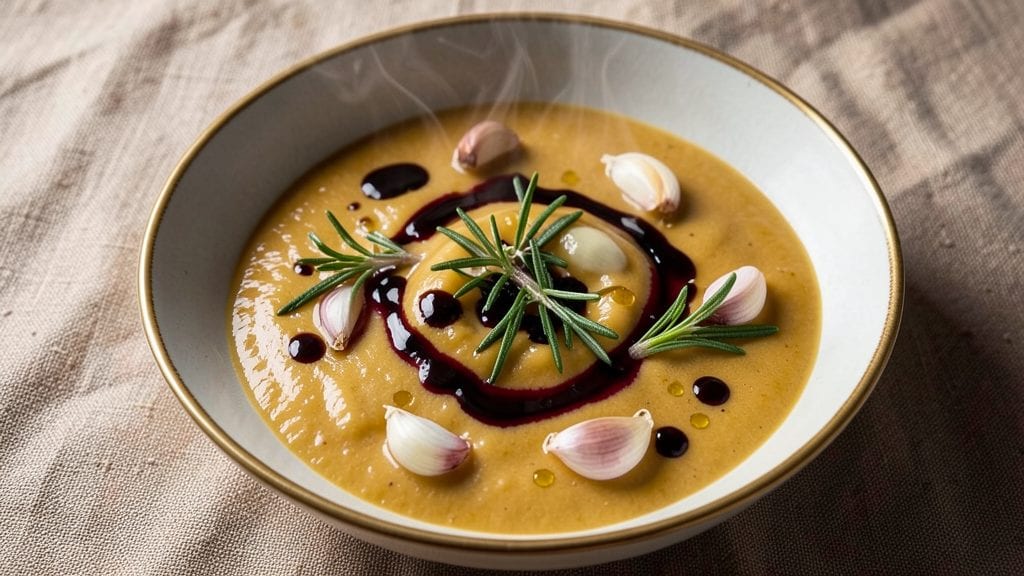
This cheese marinade recipe transforms grilled meats and vegetables into restaurant-quality dishes with its rich, umami-packed profile. The secret lies in blending melted cheese with complementary ingredients like wine, garlic, and herbs—a technique I perfected after years of experimenting with bold flavor combinations.
Unlike traditional marinades, this one adds depth while keeping prep simple.
The marinade works beautifully on chicken, steak, or even hearty vegetables like portobello mushrooms. I developed it to create a sauce that clings to proteins, infusing them with creamy, savory notes without overpowering their natural taste.
The key is balancing acidity with richness, ensuring every bite delivers that perfect harmony of flavors.
With just 15 minutes of prep and 30 minutes of marinating time, you’ll achieve results that taste like they came from a high-end grill. The cheese base melts into a velvety sauce that caramelizes slightly when grilled, creating a crispy exterior while keeping the interior tender and juicy.
Store leftovers in an airtight container in the refrigerator for up to 5 days, making it ideal for meal prep. Whether you're hosting a backyard barbecue or prepping for the week, this marinade elevates simple ingredients into something extraordinary. Let’s get started!
Ingredients for cheese marinade
Ten ingredients blend into a velvety marinade that clings to grilled proteins like a restaurant-quality glaze.
| Ingredient | Amount | Notes |
|---|---|---|
| Extra-Sharp White Cheddar Cheese 🧀 | 1 cup | Shredded, full-fat for richness |
| Dry Red Wine 🍷 | ½ cup | Cabernet Sauvignon or Merlot preferred |
| Garlic Cloves 🧄 | 4 cloves | Fresh, minced for maximum flavor |
| Fresh Rosemary 🌿 | ¼ cup | Finely chopped, stems removed |
| Extra-Virgin Olive Oil 🫒 | ¼ cup | High-quality, fruity variety |
| Balsamic Vinegar 🍶 | 2 tbsp | Aged, for depth of flavor |
| Diamond Crystal Kosher Salt 🧂 | 1 tsp | Fine grain for even dissolution |
| Freshly Ground Black Pepper 🌶️ | ½ tsp | Coarsely cracked for texture |
| Honey 🍯 | 1 tbsp | Raw, for subtle sweetness |
| Smoked Paprika 🌶️ | ½ tsp | For subtle smokiness |
The cheese is the foundation—extra-sharp white cheddar delivers that bold umami kick while maintaining meltability. Whole Foods or specialty cheese counters carry the best quality; avoid pre-shredded, which contains anti-caking agents that prevent proper melting. For the wine, Cabernet Sauvignon or Merlot from a reputable producer adds depth without overpowering. Fresh rosemary should be vibrant green and fragrant—Trader Joe's or local farmers markets often carry superior quality. The olive oil must be extra-virgin with noticeable fruitiness; California-based brands like Corto or Lucini excel here. Smoked paprika adds subtle complexity, but Penzeys or bulk spice sections ensure you're getting freshly ground, potent flavor.
No red wine? Dry sherry or beef broth works in a pinch, though the flavor profile shifts slightly. Substituting sharp cheddar with Pepper Jack or Gouda adds different layers—just reduce the marinating time to 20 minutes to prevent overpowering. Fresh rosemary unavailable? Dried rosemary at one-third the amount suffices, though it lacks the bright aroma. For a sweeter balance, agave nectar replaces honey equally well. The balsamic vinegar is non-negotiable for acidity—aged 10+ years from Italian producers like San Marzano elevates the marinade. If you're grilling vegetables, reduce the wine to 0.25 cup to prevent over-softening delicate textures like zucchini or bell peppers.
This marinade develops best when refrigerated for 30 minutes before use, allowing the cheese to fully emulsify. Store leftovers in an airtight container for up to 5 days, though the texture may separate slightly—simply whisk before using. For meal prep, portion into small glass jars to maintain freshness. The marinade freezes beautifully for up to 3 months—thaw overnight in the refrigerator before using. Always marinate proteins for no more than 30 minutes to prevent over-cooking; vegetables can handle up to 2 hours for maximum flavor infusion.
Why You'll Love This Recipe
- Five-Ingredient Magic: I swear, this marinade comes together with ingredients you’re already buying—no specialty shopping. Just shred that cheddar, crush a few garlic cloves, and let the wine and rosemary do the work while you chop veggies or fire up the grill.
- Umami Bomb: That sharp cheddar melts into the wine, creating this deep, savory punch—like a hug for your taste buds. The rosemary adds a bright, herbal kick that cuts through the richness, so it’s never heavy, just ridiculously satisfying.
- Weeknight Swiss Army Knife: Slather it on chicken thighs for dinner, toss it with roasted potatoes for lunch, or drizzle it over grilled corn at a summer BBQ. Honestly, I’ve used it on everything from steak to tofu, and it always delivers—no last-minute panic needed.
- No Waste, All Flavor: Make a big batch—it keeps in the fridge for weeks without losing its edge. I’ll be real: I’ve had this marinade turn into a cheese sauce for pasta because I forgot it was there, and it was still solid. Versatile and thrifty? Yes, please.
Step-by-step instructions for bold umami cheese marinade
This marinade delivers deep, complex flavor through precise technique and ingredient balance.
Prepare the Cheese Base
In a medium heatproof bowl, combine the 1 cup extra-sharp white cheddar cheese with the 0.5 cup dry red wine. Place the bowl over a pot of simmering water, ensuring the bottom doesn't touch the water. Stir frequently with a silicone spatula until the cheese melts completely and the mixture becomes smooth, about 5-7 minutes. This gentle heat method prevents the wine from cooking off too quickly while ensuring the cheese emulsifies properly.
Remove the bowl from heat and let it cool to room temperature. The mixture should thicken slightly as it cools, forming a rich, tangy base. If you notice any graininess, strain through a fine-mesh sieve to achieve a silky texture. The cheese should now be fully incorporated, creating a velvety foundation for the marinade.
Build the Flavor Profile
Add the 0.25 cup finely chopped fresh rosemary, 4 minced garlic cloves, 0.5 tsp smoked paprika, and 0.5 tsp freshly ground black pepper to the cheese mixture. Stir thoroughly to distribute these aromatic components evenly. The rosemary should release its piney fragrance, while the garlic and smoked paprika will introduce layers of savory depth.
Next, whisk in the 0.25 cup extra-virgin olive oil and 2 tbsp balsamic vinegar in a slow, steady stream. This gradual incorporation prevents the mixture from separating. The olive oil adds richness and helps emulsify the marinade, while the balsamic vinegar contributes acidity that balances the cheese's intensity. Stir continuously for 2-3 minutes until the mixture becomes homogeneous and glossy.
Sweeten and Season
Drizzle in the 1 tbsp honey while stirring constantly. The honey should dissolve completely, adding a subtle sweetness that complements the umami notes from the cheese and wine. Taste the marinade at this stage and adjust the 1 tsp diamond crystal kosher salt as needed—you may not need all of it, as the cheese is already quite salty. The goal is to achieve a harmonious balance where none of the flavors overpower the others.
Let the marinade rest for 15-20 minutes at room temperature. This resting period allows the flavors to meld together, creating a cohesive profile. You'll notice the aroma deepen as the ingredients integrate, signaling that the marinade is ready for use. The texture should be thick but pourable, clinging beautifully to meats and vegetables.
Application and Storage
Use the marinade immediately for best results, as its fresh flavors peak within the first 4 hours of preparation. For grilled meats, apply generously and marinate for 2-4 hours in the refrigerator, turning occasionally for even distribution. For vegetables, a 30-minute marinade is sufficient to infuse flavor without over-softening the texture.
If you need to store leftovers, transfer the marinade to an airtight container and refrigerate for up to 3 days. Before using, bring it to room temperature and give it a good stir, as the cheese may separate slightly during storage. The marinade works exceptionally well on chicken, pork, lamb, and even hearty vegetables like eggplant or portobello mushrooms.
Pro Tips For Making Cheese Marinade
- GRATE THE CHEESE FINE: Skip the chunks—this marinade needs surface area to dissolve properly. Use a box grater or food processor for tiny, even pieces, or the cheese will clump like regret in your saucepan.
- SIMMER LOW AND SLOW: After adding the wine, drop the heat to a bare simmer. I learned this the hard way—boiling it off too fast turns the wine into vinegar and burns the garlic before the cheese melts.
- TOAST THE GARLIC: Smash the garlic cloves first, then fry them in olive oil until golden (about 2 minutes). This adds depth—raw garlic just sits there like a bitter afterthought.
- STRAIN THE ROSMARY: Toss the rosary sprigs in after simmering, but strain them out before using the marinade. Whole needles make it look pretty, but they turn to mush and ruin the texture. (Yes, even if you love texture.)
Creative variations of these flavors
Spicy Cheese Marinade
For a kick of heat, add 1 tbsp chipotle powder or 1-2 tbsp hot sauce (like Tabasco) to the base recipe. The smoky chipotle complements the cheese beautifully, while hot sauce adds instant tang.
I recommend using Louisiana-style hot sauce for its balance of heat and acidity. This variation works especially well with pork ribs or grilled chicken thighs, where the fat helps distribute the spice evenly. 🌶️
Herb-Infused Variations
Swap out rosemary for thyme and oregano (each 0.25 cup) for a Mediterranean twist that pairs perfectly with lamb or grilled vegetables. For a fresh herb profile, try basil and parsley (each 0.2 cup)—this lighter combo works well with shrimp or fish.
I find that fresh herbs brighten the cheese’s richness without overpowering it.
Creamy Blue Cheese Twist
Replace white cheddar with ½ cup crumbled blue cheese and ½ cup goat cheese for a tangy, creamy marinade. Add 1 tbsp lemon juice to balance the boldness. This variation shines on steak or grilled halloumi, where the blue cheese’s funkiness creates a complex flavor profile.
Store this version in an airtight container for up to 3 days—it’s best used within 24 hours for peak freshness.
Sweet and Smoky BBQ Marinade
Reduce the wine to 0.25 cup and add ¼ cup BBQ sauce (I love Sticky Fingers or Sweet Baby Ray’s) along with 1 tsp smoked paprika. This sweet-smoky marinade is perfect for pulled pork or grilled chicken.
The cheese adds a creamy contrast to the caramelized BBQ flavors. For extra depth, add 1 tbsp apple cider vinegar to cut through the sweetness.
Vegetarian Vegan Option
Create a dairy-free version using ½ cup cashew cheese (blended from soaked cashews) or ½ cup nutritional yeast for a cheesy flavor. Add 0.5 cup coconut aminos instead of wine and 1 tbsp lemon juice for acidity.
This works beautifully on grilled tofu, portobello mushrooms, or even cauliflower steaks. The texture will be lighter, but the umami punch remains strong. ✨
Storage and Reuse Tips
All variations store well in the refrigerator for 3-5 days in airtight containers. For the spicy or herb-infused versions, I recommend using them within 2 days to preserve maximum flavor.
Freeze portions in ice cube trays for easy single-use applications—thaw overnight in the fridge. The cheese base may separate slightly after freezing, so whisk vigorously before using. 💡
Nutrition facts
Frequently asked questions
Can I use this marinade on fish or seafood?
The rich, creamy texture of this cheese marinade works beautifully with mild fish like salmon or cod, but use it sparingly—just 15-20 minutes of marinating time is enough to infuse flavor without overpowering delicate seafood. For shellfish, try a 10-minute marinade on shrimp or scallops. The key is balance: the wine and acidity in the marinade tenderize proteins, but seafood benefits from a lighter touch.
What if I don’t have red wine? Can I substitute it?
Use 0.5 cup dry sherry, beef broth, or even apple cider vinegar (mixed with 0.25 cup water) for acidity. The wine adds depth, but these alternatives work in a pinch—just reduce the marinating time to 20 minutes to prevent over-softening. For a non-alcoholic option, grape juice also works well.
How do I prevent the cheese from separating when storing?
Store the marinade in an airtight container with a thin layer of plastic wrap pressed directly onto the surface to minimize air exposure. Before using, whisk vigorously or blend briefly with an immersion blender to re-emulsify. For long-term storage, freeze in ice cube trays—thaw overnight in the fridge and stir before using. The cheese may thicken slightly when cold, but it’ll return to a smooth consistency when warmed.
Is this marinade safe for raw chicken?
Yes, but marinate raw chicken for no more than 2 hours in the refrigerator to prevent bacterial growth. The cheese and wine create a moist environment that can accelerate spoilage, so avoid leaving it at room temperature. For extra safety, pat the chicken dry before grilling to promote even cooking. Always cook chicken to an internal temperature of 165°F—the marinade won’t affect this, but it’ll make the meat juicier and more flavorful.
Can I use this marinade as a dipping sauce?
After grilling, let the marinade cool slightly and whisk in 1-2 tbsp water to thin it out if needed. It works as a creamy dip for grilled vegetables, spring rolls, or even fresh bread. For extra richness, sprinkle with crumbled bacon or toasted breadcrumbs. The flavors are bold, so a little goes a long way—serve chilled or at room temperature.